
Industrialization in Africa: Benin 24th but making strong progress in WAEMU
Benin ranks 24th among African countries in the 2025 Industrialization Index published by the African Development Bank, with a score of 0.5519 out of 1. But beyond this ranking, the country stands out particularly for one of the most significant progressions recorded between 2010 and 2024 within the WAEMU. Driven by the Glo-Djigbé Special Economic Zone, the rise of agro-industry, and a solid macroeconomic trajectory, this development confirms an industrial shift that is still fragile but now measurable.

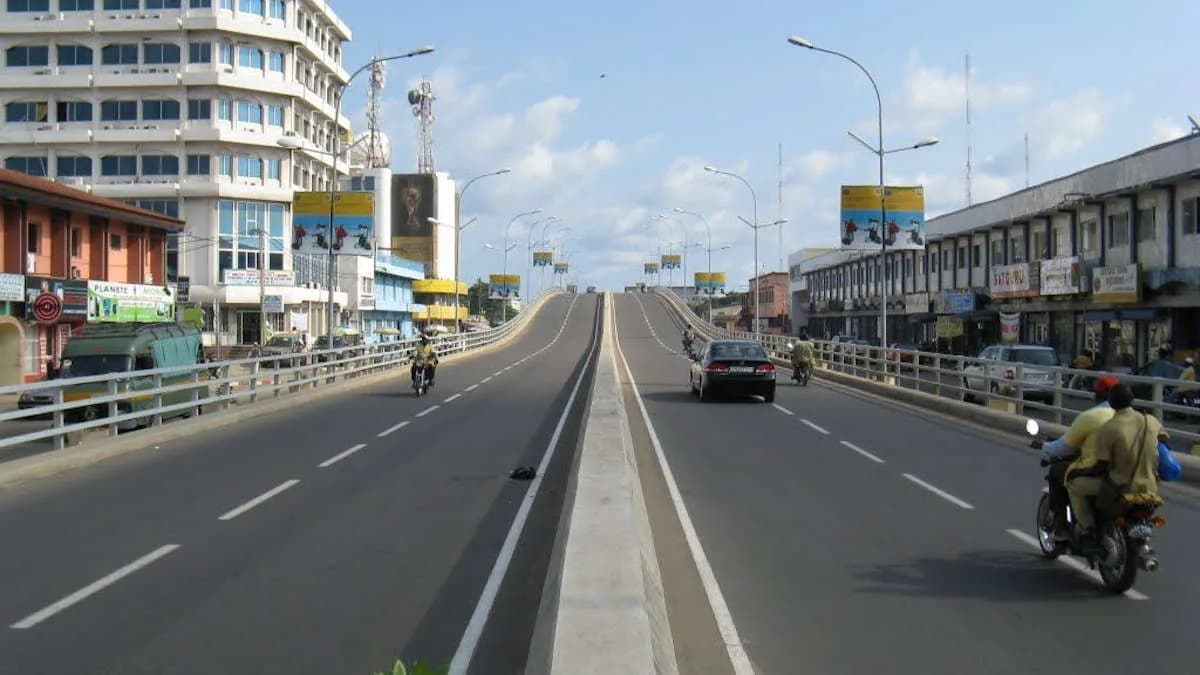
Benin is ranked 24th among the most industrialized African economies, with a score of 0.5519 out of 1, according to the 2025 edition of the African Industrialization Index (AII) by the African Development Bank (AfDB), published in May 2026. This absolute positioning, in the upper middle quintile, does not reflect what the dynamic reading of the ranking reveals. Benin is among the ten countries that recorded the strongest progress over the entire 2010-2024 period, with five or more places gained in the ranking according to the AfDB, a performance that clearly distinguishes it from most of its WAEMU neighbors.
To place Benin in the regional landscape, it surpasses Togo (0.5479, 25th), Burkina Faso (0.5043, 36th), Mali (0.5100, 35th), and Niger (0.4835, 40th). It ranks behind Côte d’Ivoire (0.6173, 10th) and Senegal (0.6368, 8th), the only two economies in West Africa to have entered the upper quintile. Nigeria (14th, 0.5914) and Ghana (18th, 0.5735) precede it, but their lead is less overwhelming than a naive reading of comparative GDP might suggest.
The Glo-Djigbé SEZ, Pivot of the Industrial Shift
The main explanatory variable for Benin’s progression in the AII is the Glo-Djigbé Special Economic Zone (GDIZ), which became operational between 2021 and 2024. Launched under Patrice Talon to transform agricultural raw materials (cotton, cashew, shea, soy) on Beninese soil before their exportation, the GDIZ represents the most documented structural break in the data from the World Bank and the IMF regarding Benin.
Its effect is directly visible in the sectoral composition of growth. In 2024, the secondary sector grew by 9.7%, propelled by agro-industry (+7.5%) and construction (+12.4% linked to the zone’s works). The share of the secondary sector in GDP, which had stagnated around 13-14% in the early 2010s, now stands at 19% according to French Treasury data. The ultimate goal is to make the GDIZ an export hub for processed value-added products, reducing dependence on raw materials that characterized the Beninese economy (cotton at 49% of total exports, cashews at 11%, soy at 12.5%).
The World Bank recommends in its latest country analyses to intensify this upgrading in the value chain, notably through agro-industry and manufacturing exports, but warns about the low economic diversification that makes Benin vulnerable to fluctuations in agricultural commodity prices.
A Solid Macroeconomy, a Favorable Context under Wadagni
The progression in the AII aligns with a macroeconomic trajectory that few economies in the sub-region can match. Real GDP growth is estimated at 6.4% in 2024 and projected at 7% in 2025 by the IMF, the highest growth within the WAEMU according to the World Bank for 2026. Inflation is the lowest in the zone since 2021, at 1.2% in 2024. Public debt (53.7% of GDP by the end of 2024) is kept well below the community ceiling of 70% and is projected to be under 40% by 2028. In January 2025, Benin raised $1 billion on international markets with subscriptions reaching $3.5 billion, seven times the amount sought, signaling unusual financial credibility for an economy of this size.
Wadagni’s government, invested on May 24, 2026, has placed industrialization at the forefront of its seven-year priorities, directly linked to the goal of eradicating extreme poverty formulated during the first Council of Ministers on May 28. The new Minister of Economy, Aristide Médénou, outlined three axes upon taking office: budget discipline, growth felt by vulnerable populations, and repositioning Benin in the concert of nations. This framework is consistent with the trajectory documented by the AfDB’s AII.
What the Rank Doesn’t Yet Reveal
A score of 0.5519 at 24th place among African countries puts Benin in the upper middle quintile, which means it remains at a significant distance from the genuinely industrialized economies on the continent. The gap between Benin’s score and that of Côte d’Ivoire (0.6173) is 65 hundredths; between Benin and Morocco, the top-ranked country (0.8415), it is nearly 30 score points.
Structural weaknesses pointed out by the AfDB remain real: manufacturing performance is still the weak link in the Beninese AII, exports of high-value-added products are still embryonic, and while the trade deficit has indeed decreased (from 401.2 billion CFA francs in 2023 to 278.7 billion in 2024), it remains persistent. Cross-border trade with Nigeria, the largest economy in ECOWAS and a major source of informal revenue for Benin, remains subject to bilateral political fluctuations, as the border closure from 2019-2021 sharply illustrated.
What the 2025 AII documents about Benin is therefore not an endpoint. It is a turning point, the proof, quantified and validated by a multilateral institution, that the industrial transformation strategy initiated since 2016 has produced measurable effects. Maintaining this trajectory under Wadagni’s presidency, with a GDIZ to consolidate, a 2026-2030 PND to build, and an African Continental Free Trade Area whose potential depends on regional integration, will be the test of industrial maturity for the next seven-year term.

Comments
Comments load when you reach this section.