
Indonesia: Fires Emit 19.7 Million Tons of CO₂ in One Week
The forest and peatland fires ravaging Indonesia released 19.7 million tons of carbon dioxide between 1 and 7 September 2026, marking the highest level recorded worldwide during this period, according to data from the European Copernicus service reported on Wednesday 9 September by Reuters.

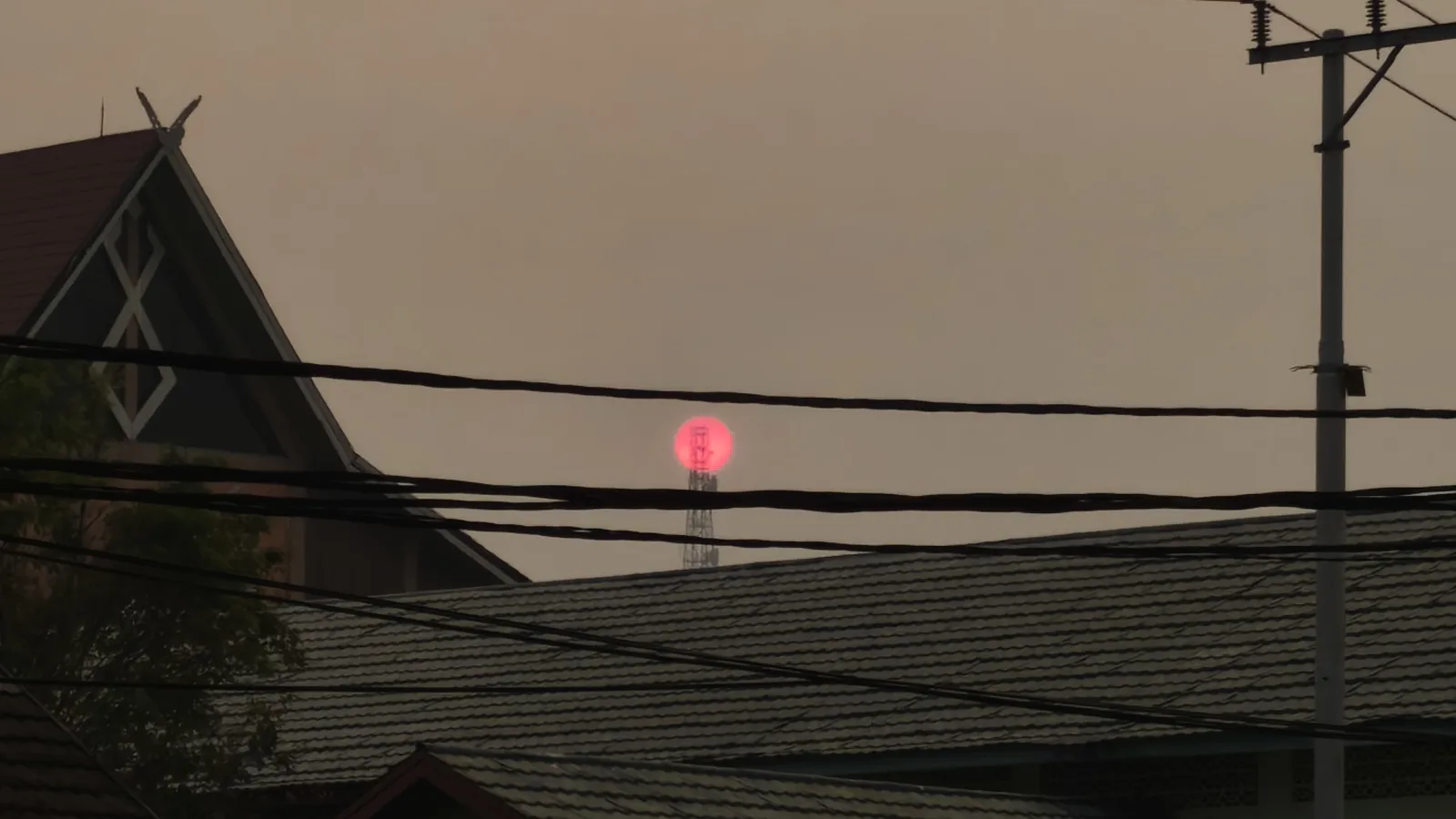
These emissions account for more than a third of the global total linked to fires during the first week of September and exceed Indonesia’s seasonal average by 273%. The hotspots are mainly concentrated in Kalimantan on the island of Borneo and in eastern Sumatra, where drought and an especially intense El Niño episode are fueling the fires.
The crisis is also having severe consequences on education. In Palembang, the capital of South Sumatra province, more than 250,000 students from 1,030 institutions, ranging from kindergarten to middle school, switched to remote learning on Wednesday due to the deterioration of air quality caused by the fires.Nationwide, over 1.4 million students have already been affected by distance learning because of the smoke, according to the Associated Press.
The smoke haze extends over much of Sumatra and Borneo. The Indonesian meteorological agency BMKG reported detecting smoke on 7 September in nine provinces, including Riau, Jambi, South Sumatra, West Kalimantan, Central Kalimantan, and East Kalimantan.
BMKG considers September a critical phase for forest and vegetation fires. The agency highlights the persistence of dry weather, intense hotspot activity, and an El Niño still classified as very strong at the end of August—conditions that limit rainfall formation in several regions.
An Intensifying Fire Season
Data analyzed by Copernicus show a marked acceleration since the beginning of the month. Reuters reports 13,443 hotspots detected between 1 August and 8 September, compared to 9,454 during the same period in 2015, a year marked by a major smoke pollution crisis in Southeast Asia.
Indonesian authorities have stepped up ground and aerial operations. More than 50 aircraft are deployed for water drops and cloud seeding, while several thousand military personnel are involved in operations in the hardest-hit provinces.
Japan has also sent three CH-47 Chinook transport helicopters and about 180 crew members to support Indonesian efforts. The aircraft are to be based in Pontianak, West Kalimantan, with operations planned from 12 to 19 September.
Smoke Crosses Indonesian Borders
The smoke plumes have also affected areas in Malaysia and the Philippines. Malaysia has already had to take emergency measures in part of Sarawak state on the island of Borneo following a sharp decline in air quality.
In Indonesia, local authorities are conditioning the resumption of in-person classes on an improvement in air quality. In Palembang, remote learning will remain in effect as long as pollutant concentrations linked to the smoke remain at levels considered dangerous for children.

Comments
Comments load when you reach this section.