
Australia: Several Regions at Increased Risk of Fire This Spring
The risk of fire in Australia will be above normal in the spring of 2026 in several regions of the country. The most exposed areas extend from the north and southeast of New South Wales to the southeast of Queensland, with also increased risk sectors in Tasmania, Western Australia, South Australia, the state of Victoria, and a large part of the Northern Territory.

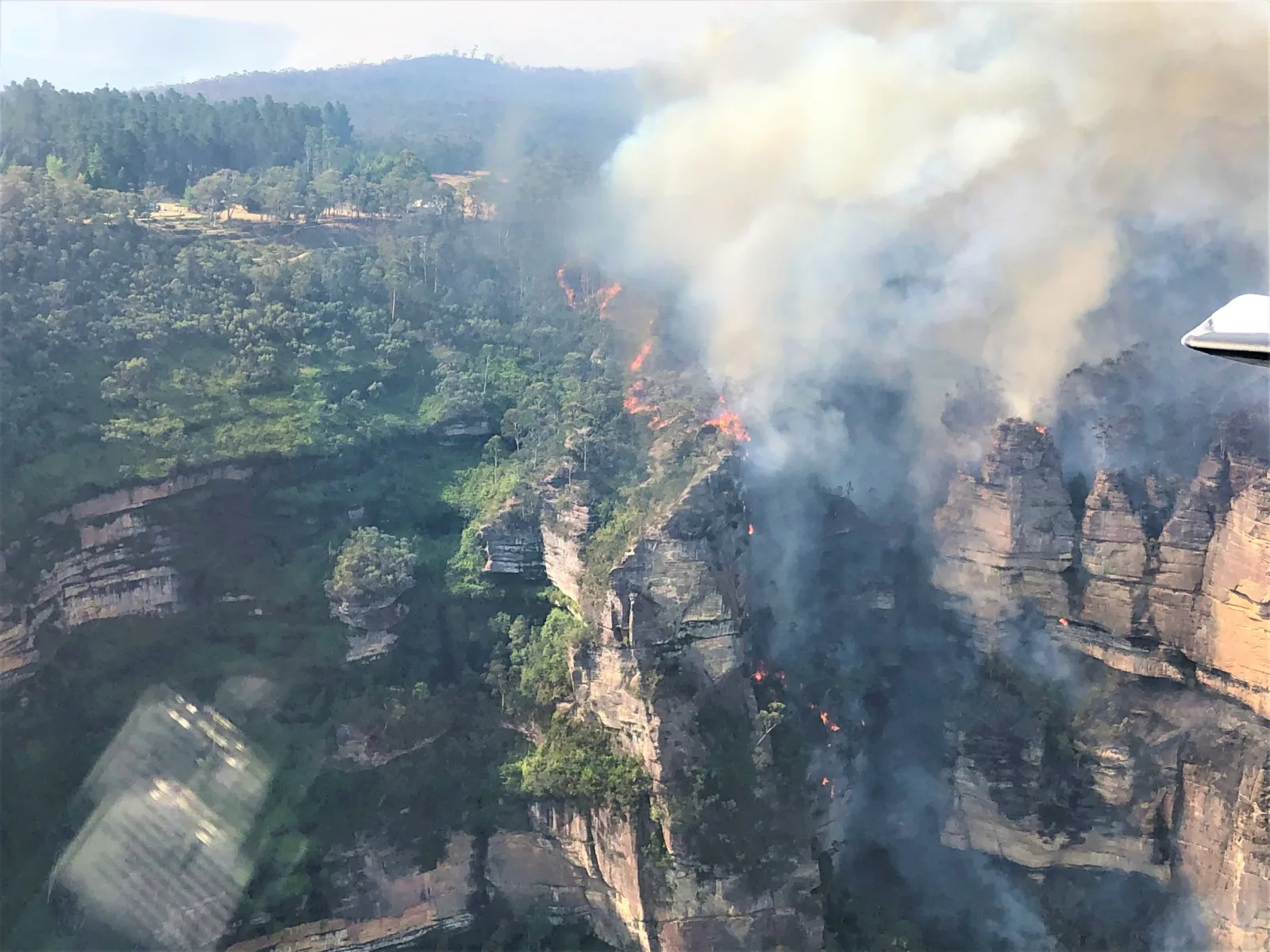
The increased danger results from different conditions depending on the region. In the east, rainfall deficits and dry soils increase the risk of fire, while heavy fuel loads following wetter periods heighten the vulnerability of certain areas in the center and north.
Australian fire services are intensifying controlled burns and preparations ahead of the most dangerous phase of the season. In northern New South Wales, the fire season is expected to begin in mid-October, while more southern regions generally enter their peak risk period from December onwards.
The authorities say they are on alert without considering a catastrophic scenario to be inevitable. However, the presence of a strong El Niño episode, generally associated with warmer and drier conditions in parts of Australia, is increasing the monitoring of forests, brushlands, and peri-urban areas.
The increase in fire episodes also has health consequences beyond the burned areas. The World Meteorological Organization recently warned that fire smoke is becoming an increasing risk to air quality, particularly due to fine particles capable of traveling long distances.
The climate outlook published in early September by the Australian Bureau of Meteorology forecasts below-average rainfall from September to November in certain parts of the south and east, while daytime temperatures are expected to be above average south of the tropics. Water deficits persist notably in the southwest of Western Australia, the northeast of New South Wales, southern Queensland, and parts of Tasmania.
The memory of the 2019-2020 “Black Summer” remains central to national preparedness. These fires caused 33 deaths and destroyed or damaged thousands of homes, prompting Australia to strengthen the coordination of its response resources between states and territories.


Comments
Comments load when you reach this section.