
Ghana: 100,000 tonnes of tomatoes to reduce imports
Ghana launched a national initiative on Tuesday, September 15, 2026, in Anloga, Volta Region, aimed at producing approximately 100,000 tonnes of tomatoes during the 2026-2027 campaign. This first phase of the Ghana Tomato Self-Sufficiency Initiative is set to cover over 10,000 acres and reduce the country’s reliance on imports.

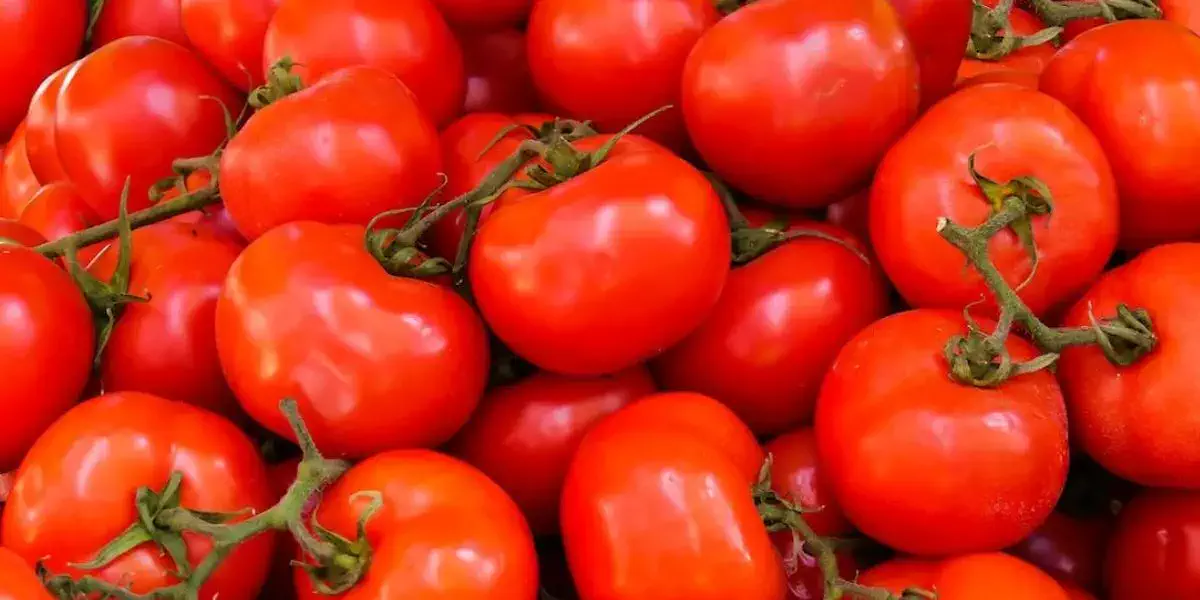
The Ghanaian Ministry of Agriculture estimates that the country spends over $400 million annually on importing fresh tomatoes and tomato paste, a cost driven largely by the production shortfall between December and July. Ultimately, the program aims for an annual production of 400,000 tonnes.
National demand is estimated at around 805,000 tonnes per year, compared to local production of approximately 510,000 tonnes, resulting in a deficit of nearly 300,000 tonnes. Agriculture Minister Eric Opoku stated that the first phase could create more than 150,000 direct and indirect jobs in production, processing, transportation, and marketing.
The initiative plans to connect producers with financing, irrigation, agricultural insurance, technical assistance, and contract buyers. According to the terms presented at the launch, production financing is estimated at 20,000 Ghanaian cedis per acre, while insurance coverage of up to 50,000 cedis per acre is announced for covered losses.
A portion of the production is also intended for processing. The program aims to gradually increase the area to over 40,000 acres, with up to 200,000 tonnes of tomatoes expected to be processed into puree and other value-added products, contingent on sufficient industrial capacity.
The government also plans to rehabilitate the 22 existing irrigation facilities in the Volta Region by the end of 2027 to support production during the dry season.

Comments
Comments load when you reach this section.