
Gambia: Protests Against Power Outages, Police Fire Tear Gas
Protests broke out during the night of Monday, September 7 to Tuesday, September 8, 2026, in Banjul and several localities in Gambia to denounce prolonged power outages, prompting the police to use tear gas in some areas.

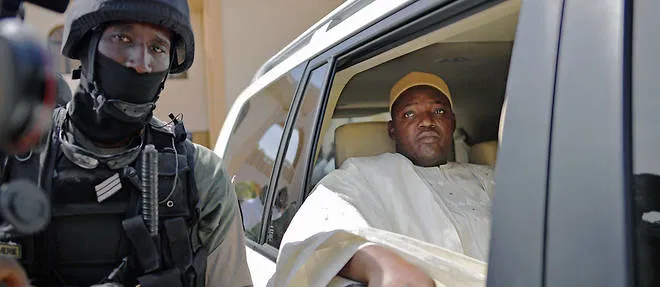
In the capital and in Greater Banjul, residents burned tires, erected barricades, and organized candlelight marches to demand the return of electricity. Gatherings were also reported in Westfield, Busumbala, Wellingara, and Farato, according to Reuters and several Gambian media outlets.
In Westfield, protesters heading towards the headquarters of the public water and electricity company NAWEC were dispersed by tear gas. In Banjul, another group approached the presidential sector before being stopped by security forces and government officials.
The protest comes after power outages lasting up to 24 hours, or even longer in some areas. Reuters reports that residents have mentioned interruptions lasting up to 48 hours, as households and businesses have been facing irregular electricity supply for several months.
The National Water and Electricity Company attributed the crisis to an increase in demand, fuel supply constraints, and technical difficulties at the production facilities. Its communications department also explained that the integration of the national grid now makes production drops more immediately visible in several regions of the country.
Anger spreads to several localities
The mobilization went beyond mere technical demands. Near President Adama Barrow’s residence, some protesters chanted slogans hostile to the government. In Farato, Reuters reports that an office of the ruling party was vandalized and that the residence of Vice President Mohammed B.S. Jallow was targeted by demonstrators.
In Greater Banjul, women also demonstrated in front of a local NAWEC agency, while young people organized candlelight marches. On Tuesday morning, traffic had resumed in several areas of the capital following the nighttime incidents.
The electricity crisis has become a political issue a few months before the presidential election scheduled for December. Adama Barrow, who is seeking a new term, stated in early September that his government was working to quickly strengthen production capacities.
NAWEC under pressure
The Gambian president indicated that three new production machines were being shipped to the country and that a tender had been awarded for a 50-megawatt solar project. NAWEC, for its part, states that demand is increasing faster than the available margins on the grid.
The national company had already been the target of protests in June, when citizen organizations gave it an ultimatum to improve the supply of water and electricity. This week’s demonstrations show that outages remain a major factor of social discontent in the country.
Related Articles
 Senegal: Sidy Diop Returns to the Stage at Malika Beach, Rumors About Soubatel Remain Unconfirmed
 Justin and Hailey Bieber unveil an intimate photo shoot for the first cover of WYouth
 Abuja: a sealed building collapses in Wuse, search ongoing
 F1: Isack Hadjar misses a 3rd Grand Prix, Lawson replaces him in Madrid
Comments
Comments load when you reach this section.