
Formation of the government: the UPR and the BR propose, Romuald Wadagni disposes
As negotiations intensify around the formation of the future government, parties aligned with the presidential movement are multiplying consultations and proposals for profiles. However, beyond political balances, one institutional reality remains; the final decision rests with the elected president Romuald Wadagni. Between party expectations and the desire to make his mark, the future head of state will need to find the right balance.

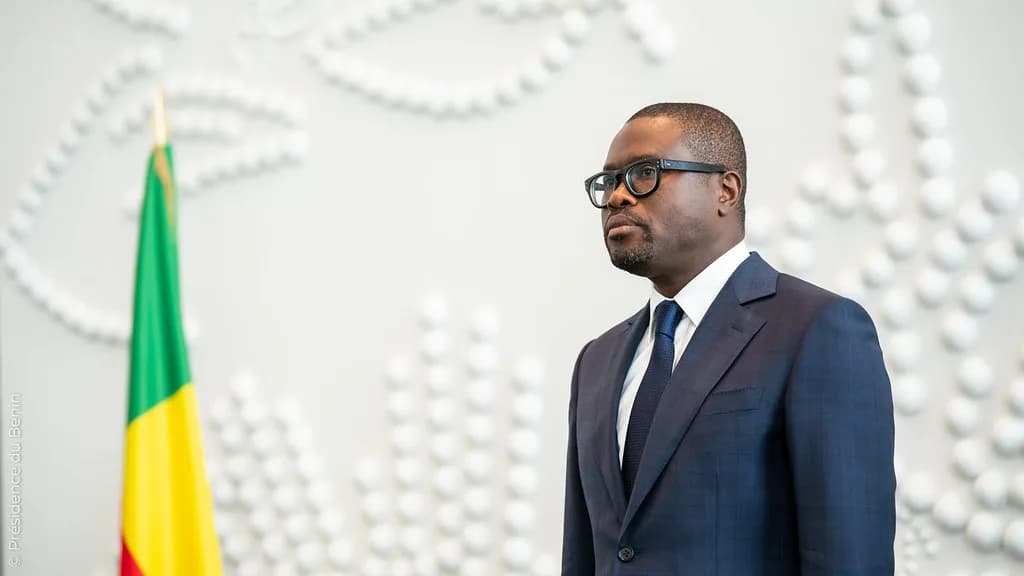
As the installation of the new government approaches, the question of the composition of the future cabinet is already occupying political headquarters. Behind the scenes, several names are circulating. Officials from the UPR and the BR have even been proposed to join the upcoming government team.
As is often the case during political transitions, each party seeks to position its influential figures. Political supporters expect rewards, activists hope to see their leaders ascend to strategic positions, and political leaders want to maintain their influence in the governance of the country. But in practice, forming a government goes far beyond party calculations.
The president facing his own choices
In Benin, the head of state remains the sole master in the appointment of ministers. Party proposals can serve as a basis for reflection, but they have no binding nature. Romuald Wadagni could therefore decide to keep certain profiles, set others aside, or even call on personalities outside the political apparatus. This possibility is already fueling several debates within political circles. Some believe that a government that is too partisan risks being dominated by political interests at the expense of effectiveness. Others, on the contrary, think that ignoring parties could create frustrations within the presidential majority.
In public opinion, many citizens are mainly waiting for a government capable of responding to economic and social challenges. Youth employment, cost of living, governance, infrastructure, social justice, the expectations are numerous. In this context, Romuald Wadagni may be tempted to prioritize technical profiles, skilled individuals capable of delivering quick results, even if they are not among the proposals from political parties. Such an approach would allow the future president to mark a break in governing style, with a stronger emphasis on performance and results.
A political balance to preserve
But governing also requires political stability. The parties that supported the government remain essential players in the system. Completely sidelining them from the decision-making process could weaken certain alliances and create internal tensions. The future president will thus have to manage a delicate exercise—reassuring his political partners while maintaining his freedom of choice.
Moreover, the composition of the first government will be closely watched. It will provide a clear indication of the style of governance that Romuald Wadagni wishes to install (political continuity, openness, technocracy, or a balance between competence and party considerations). Ultimately, beyond the proposed lists and internal negotiations, it is indeed the vision of the future president that will determine the shape and direction of the next Beninese government.
Comments
Comments load when you reach this section.