
Ethiopia: new fighting in Tigray raises fears of a resumption of the conflict
New clashes occurred on August 1 between Ethiopian federal forces and fighters linked to the Tigray People’s Liberation Front (TPLF) in the west of the region, near the Sudanese border. The exact scale of the fighting remains difficult to establish, as Addis Ababa has not communicated about the operation.

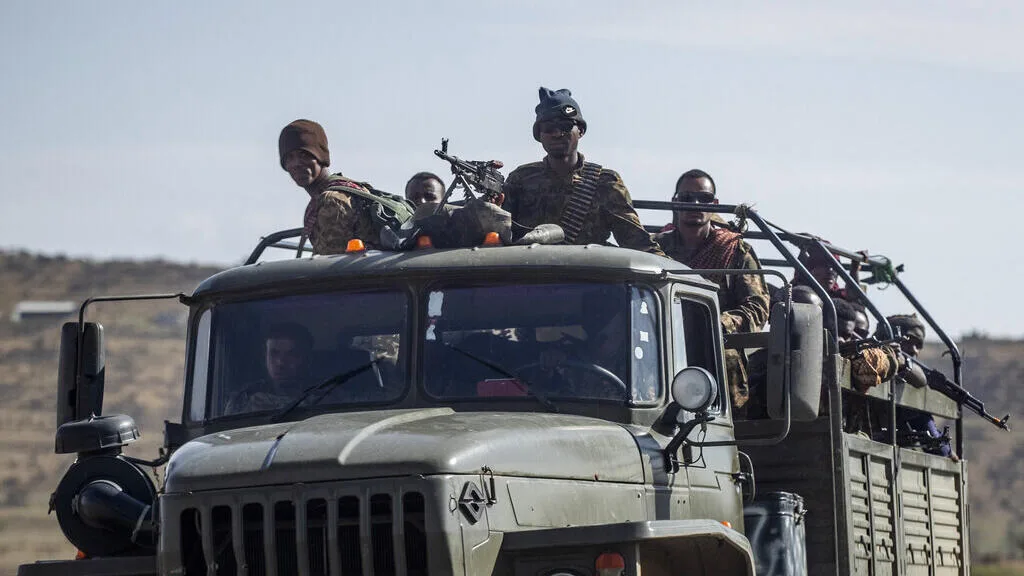
The clashes, which reportedly involved drones, aircraft, and artillery, took place over a single day, according to René Lefort, a researcher specializing in Ethiopia who was interviewed by RFI. The TPLF has presented the operation as a significant victory, but no independent assessment of casualties or destruction has been provided.
According to the researcher, the Tigrayan fighters engaged in this area would not be the regular forces stationed in central Tigray, but a formation called “Army 70”. This group is said to have been formed in Sudan by former Tigrayan soldiers who fled Ethiopia during the 2020 war.
The choice of western Tigray is not insignificant. This area, particularly fertile and known for its sesame production, has been disputed for several decades. After the TPLF came to power in 1991, it was annexed to the Tigray region. During the 2020-2022 war, federal forces and their Amhara allies took de facto control of the territory, displacing many Tigrayans.
A Region Still at the Heart of the Dispute
The status of western Tigray is among the most sensitive issues of the peace agreement signed in November 2022 in Pretoria, South Africa. The text ended large-scale fighting but did not definitively resolve the administrative status of this area or allow for the return of all displaced persons.
René Lefort mentions about a million Tigrayan refugees from the west of the region, still living in camps in Tigray. The human toll of the war remains difficult to document. Several estimates have reported hundreds of thousands of deaths, but the exact toll has not been established independently.
A lasting resumption of hostilities also seems difficult for both sides. The federal army is mobilized on several internal fronts, notably in the Amhara and Oromia regions, where insecurity remains high. The researcher also reports degraded morale, desertions, and surrenders among federal troops—information that has not been confirmed by Addis Ababa.
In Tigray, the population remains deeply affected by two years of war and the subsequent restrictions. Fuel and medicine shortages, funding difficulties for the regional administration, and delays in pay for civil servants have worsened the situation. According to René Lefort, many young people are looking to avoid conscription, while a large part of the population refuses further conflict.
In this context, the TPLF might view armed action as a way to loosen the blockade imposed on the region and to force the federal government to resume discussions. However, such a strategy carries the risk of provoking a new escalation, particularly as the Pretoria agreement remains fragile and several of its provisions are not fully implemented.
Increasingly Intertwined Regional Alliances
The relationships between the TPLF and Eritrea constitute another factor of tension. Tigrayan leaders officially present their contacts with Asmara as relations between peoples. However, René Lefort believes that regular exchanges exist between officials of both camps, without the exact nature or extent of this cooperation being publicly established.
Eritrea fought alongside Ethiopian federal forces during the Tigray war. Since the signing of the peace agreement, relations between Asmara and Addis Ababa have deteriorated again, particularly over regional security issues and access to the Red Sea.
The Tigray conflict is also situated within a regional environment marked by the war in Sudan and tensions surrounding the Renaissance Dam, built by Ethiopia on the Blue Nile. According to the researcher, alignments are emerging between Egypt, Eritrea, the Sudanese authorities led by Abdel Fattah al-Burhan, Saudi Arabia, and several Ethiopian armed movements. In contrast, Addis Ababa is notably supported by the United Arab Emirates, while the Sudanese Rapid Support Forces and South Sudan occupy a distinct position in this regional chessboard.
These alliances remain fluid and do not necessarily constitute formal blocks. However, they contribute to increasing the risk of regionalizing a potential resumption of fighting in Tigray.
International pressure could limit this escalation. The United States and the European Union have called for respect of the Pretoria agreement and for no new offensives. Ethiopia also depends on international financial support, notably from the programs of the International Monetary Fund and the World Bank, as its economy remains weakened by conflicts and financial imbalances.
For René Lefort, a new war between Addis Ababa and Tigray could quickly destabilize the entire Horn of Africa. The clashes on August 1 alone are insufficient to establish the onset of a new widespread conflict. However, they confirm the persistence of tensions surrounding the status of western Tigray and the limitations of the peace agreement concluded in 2022.

Comments
Comments load when you reach this section.