
Election Day in Benin: a decisive vote ahead of the April 2026 presidential election.
The Benin enters this Sunday, January 11, 2026 into a decisive election day with the effective launch of the parliamentary and municipal elections across the entire national territory. This double ballot marks a major milestone in Benin’s electoral calendar and takes place in a political and security context that is particularly closely watched.
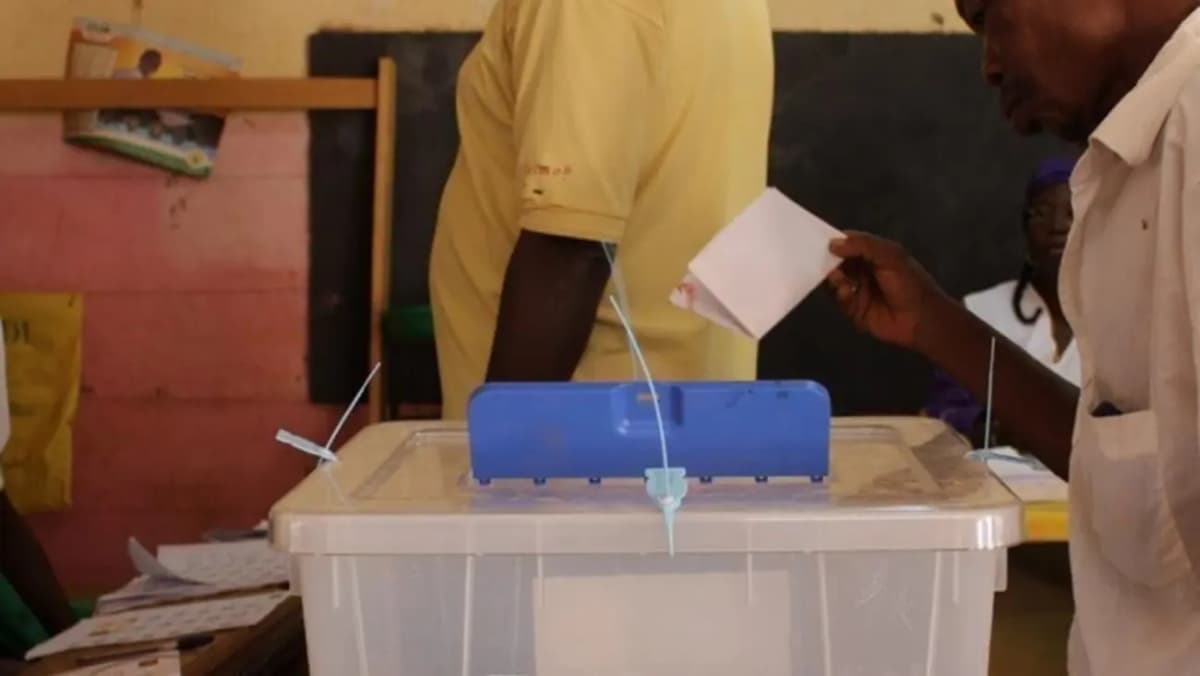
The Beninese voters are called to the polls for two simultaneous consultations: the legislative elections, intended to elect the 109 deputies of the new National Assembly and the municipal elections, which will renew the municipal councils and the leadership teams of local authorities.
According to official data from the Autonomous National Electoral Commission (CENA), nearly 7.83 million voters are registered for this election. They are distributed across more than 17 350 polling stations, opened from the early hours of the morning across the country. The electoral operations have begun in the majority of polling stations under the supervision of electoral officers and security forces.
A political climate under heightened vigilance
The ballot takes place a little over a month after an aborted coup attempt in Cotonou, an event that has heightened the vigilance of authorities and observers. Security arrangements have been strengthened to preserve stability and ensure the normal conduct of the vote across the entire territory.
Ahead of the election, several international organizations and civil society actors, including Amnesty International, have urged political parties and candidates to prioritize a peaceful electoral process, respectful of human rights and fundamental freedoms, notably freedom of expression and citizen participation.
The Autonomous National Electoral Commission (CENA), for its part, has repeatedly called for restraint and respect for democratic rules. Its president stressed the need for a calm, transparent and credible vote, an essential condition to strengthen citizens’ trust in the electoral process.
Practical organization and conduct of the vote
Extraordinary measures for election day
To ensure a calm atmosphere, authorities have implemented several specific measures for January 11:
- ban on public demonstrations and temporary closure of certain markets;
- suspension of operations of drinking establishments;
- temporary closure of land borders.
These measures aim to limit non-essential travel and prevent any disturbance to public order during the voting operations.
How the vote takes place
In each polling station, the voter proceeds to vote successively for the legislative elections, then for the municipal elections. The ballots are placed in separate boxes, before being checked off on the voter list. The counting of votes is planned at the official closing of the polling stations, under the supervision of party representatives and observers.
International observation and transparency
An African Union electoral observation mission is deployed to Benin to monitor the conduct of the election, from the opening of the polling stations to the initial stages of the centralization of results. This presence aims to reinforce the transparency and credibility of the electoral process.
Related Articles
 Benin: Éric Houndété explains why he remains the LD party’s interim president.
 Benin: Ouassangari contests Houndété’s retention as interim president of the Democrats.
 2026 presidential election: Romuald Wadagni’s policy platform praised for its tone of openness
 Benin: Daniel Edah officially launches the creation of his party « Nous le Ferons ».