
DRC: the government clarifies its strategy regarding the Genocost
The Democratic Republic of Congo commemorated its National Genocost Day on Sunday, a term coined to refer to “genocide for economic gain.” This concept relates to the human and social cost of conflicts linked to the exploitation of natural resources in the country.

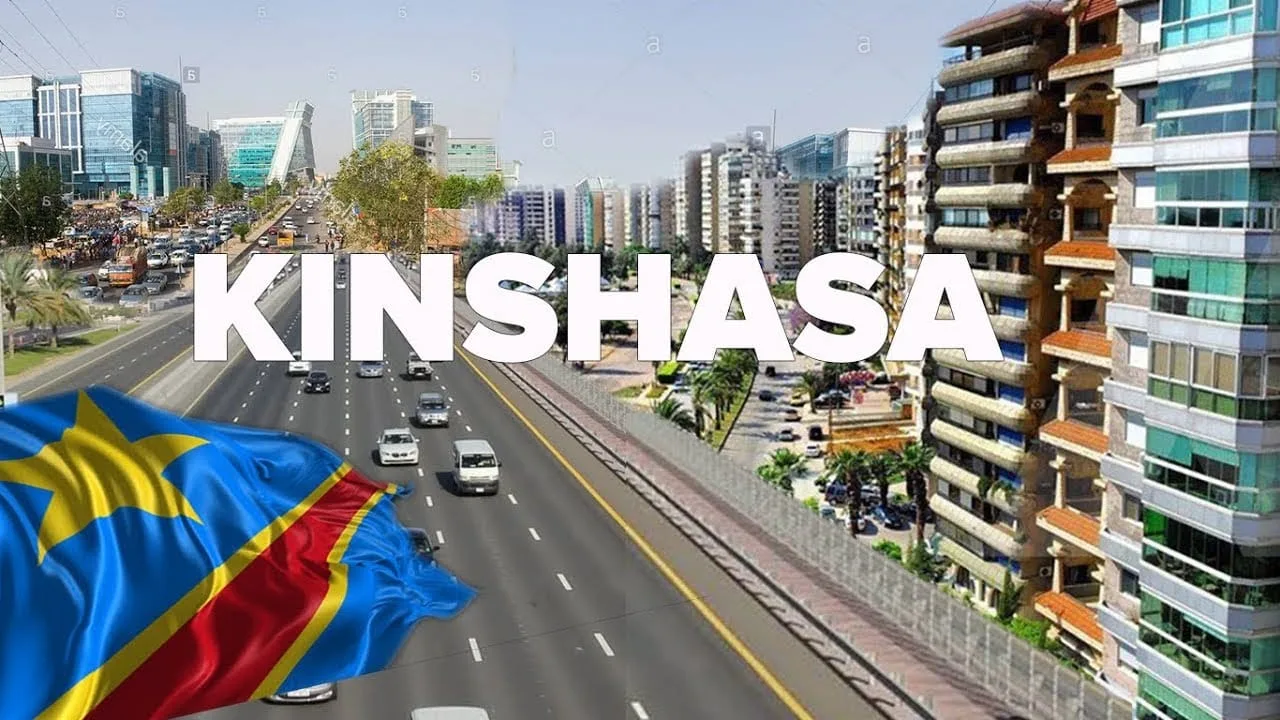
The day was dedicated to the memory of victims of mass violence that has marked recent history in the DRC. Beyond the ceremonies, the government outlined the strategy it intends to defend on the national and international stage.
Domestically, Genocost is to become the framework for the Congolese state’s memorial policy. The authorities notably plan to create a national museum, strengthen reparations, collect testimonies, and preserve archives.
The government also wishes to support research and pass this history on to future generations. This policy aims to structure the memory of the violence and give an official place to the narratives of victims and their families.
A plea based on international law
On the international scene, Kinshasa now aims to distinguish the concept of Genocost from the classifications recognized by international law. Human Rights Minister Samuel Mbemba asserts that the DRC advocates for the recognition of the crime of genocide, as defined by the 1948 United Nations Convention and the Rome Statute.
President Félix Tshisekedi emphasized that the legal qualification of genocide does not fall under a political declaration. It must be established by competent jurisdictions based on facts, evidence, and criteria set by international law.
For the Congolese authorities, the two approaches are complementary. Genocost serves as the national framework for memory and recognition of suffering, while international law should provide the basis for judicial procedures and diplomatic advocacy.
This clarification comes amid significant tensions with Rwanda, which strongly contests the narrative put forth by Kinshasa. Rwandan government spokesperson Yolande Makolo condemned it as a “politically constructed conspiracy theory,” presented as historical and legal truth.
Kigali believes that Genocost neither corresponds to a recognized historical concept nor to an established legal notion. This opposition illustrates the battle of narratives between the two countries regarding the memory of violence and its qualification.
Related Articles
 George Weah: ‘a tyrant remains a tyrant, even after winning an election’
 Sahel States Alliance: Burkina Faso reaffirms security priority over electoral calendar before the UN
 RDC: Martin Fayulu wants to include Kabila and Nangaa in the national dialogue.
 Benin: Joseph Djogbénou appoints the new section presidents of UP le Renouveau.
Comments
Comments load when you reach this section.