
DRC: Opposition raises strong objections against a potential constitutional revision
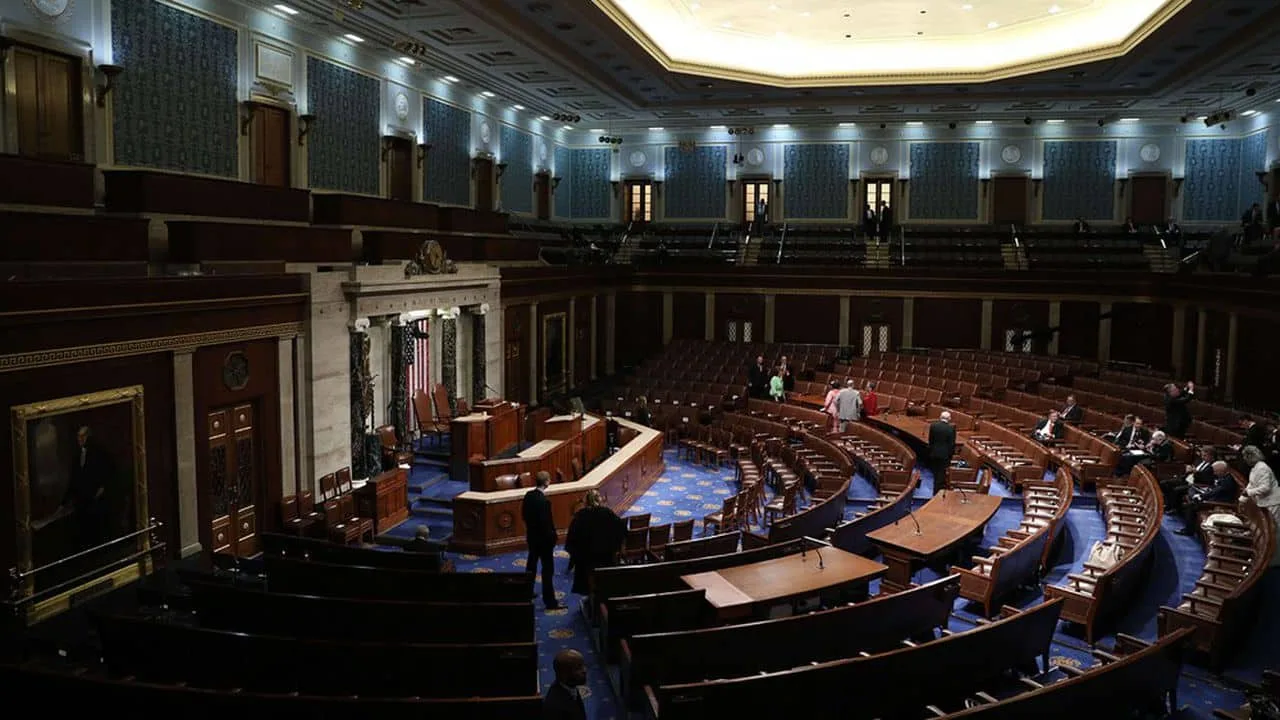
The Democratic Republic of the Congo has taken a major legislative step toward a potential constitutional revision. On Monday, June 15, 2026, the Senate unanimously adopted the bill that sets out the procedures for organizing a referendum, with the vote of 89 senators present out of the 109 in the upper chamber.


This green light follows the prior approval from deputies in the National Assembly, but the text validated by the senators includes a substantial modification that will require reconciliation between the two branches of Parliament.
Indeed, the upper chamber did not fully adopt the version voted a few days earlier by the National Assembly. Senators introduced an amendment concerning the composition of the constituent assembly responsible for preparing the reforms that will be submitted to a popular vote.
They thus removed the municipal counselors, who had been included by the national deputies. To justify this exclusion, the Senate argued that the election of these municipal counselors had only been organized in the provincial capitals, leaving out many other towns and rural communes in the country.
This technical divergence now requires the initiation of a harmonization procedure between the two chambers, knowing that in the event of a persistent conflict, the Congolese Constitution stipulates that the final word will belong to the position of the National Assembly.
While the parliamentary mechanics are being adjusted, this text, which for the very first time defines the legal framework for a referendum in the DRC, has triggered an outcry outside the hemicycle. The political opposition, notably united within the coalition C64, categorically rejects this initiative, which it deems a maneuver orchestrated by the ruling power.
According to the leaders of this coalition, the unacknowledged goal of this law is to pave the way for the adoption of an entirely new Constitution. Such a structural modification would allow President Félix Tshisekedi, whose second and final constitutional term is set to expire in 2028, to seek a third term, something the current fundamental law formally prohibits him from doing.
For the opponents, the control of the referendum procedure by the head of state and the large presidential majority in both chambers form all the ingredients for an institutional circumvention, opening a period of uncertainty regarding the reaction of the streets and the international community.

Comments
Comments load when you reach this section.