
Diplomacy: Niger formalizes its withdrawal from the International Criminal Court.
The break between the countries of the Alliance of Sahel States (AES) and certain international institutions has reached a new level. Niger has officially notified its withdrawal from the International Criminal Court (ICC), a decision made public by the institution in The Hague on Tuesday, June 23, 2026.

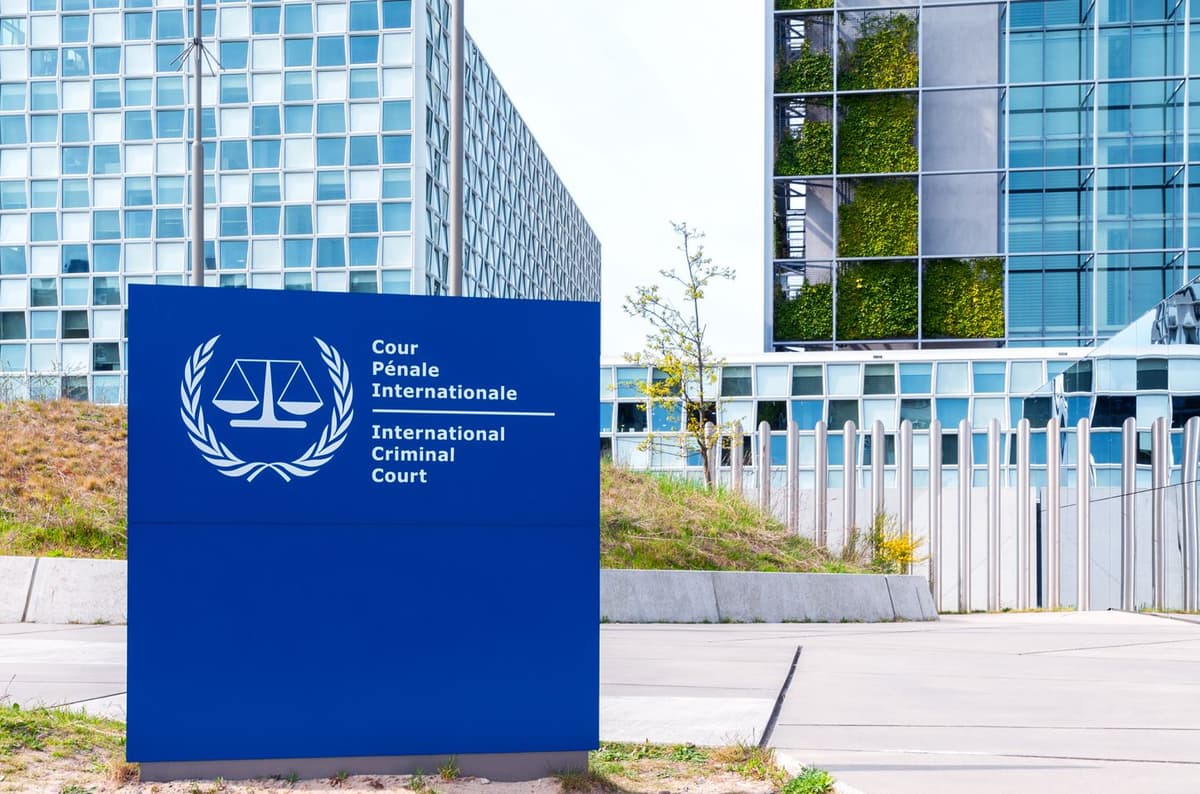
The written notification, formally received by the court’s authorities on June 18, will only take effect on June 18, 2027, thus respecting the regulatory one-year deadline imposed by the founding texts.
This move aligns directly with the common strategy defined nine months ago by the AES bloc, which includes Niger, Mali, and Burkina Faso. The three transitional regimes had unanimously condemned the international jurisdiction, labeling it a tool of neocolonial repression, disconnected from the realities and sovereignty of African nations.
The ICC takes note but regrets a setback in the fight against impunity
Reacting to this announcement, the ICC management stated that it acknowledges this notification while reminding that the withdrawal from an international treaty falls under the strict sovereign competence of each state. The institution nevertheless expressed its deep regret over a decision that, according to it, undermines the global judicial architecture and the collective efforts aimed at punishing the most serious crimes, particularly war crimes and crimes against humanity.
The Court also made a crucial legal point: Niger remains legally bound by the Rome Statute and is fully obligated to respect all of its international obligations until the official deadline of the procedure, set for June 18, 2027.
An institution under fire from critics on the continent
Established in 2002 to address the shortcomings or lack of will of national judicial systems in the face of mass atrocities, the ICC is experiencing a persistent legitimacy crisis among several African capitals.
For many years, numerous leaders and observers on the continent have criticized the institution for its asymmetric treatment of international justice, accusing it of focusing almost exclusively on investigations and prosecutions of personalities and nationals from the African continent. This official departure from Niger represents an increasingly marked geopolitical rift in the Sahel region.
Related Articles
 Rwanda and Belgium restore diplomatic relations after 18 months
 At the UN, Trump calls on states to leave the ICC “immediately”
 Ahead of Trump-Xi meeting, Beijing offers help on Iran in exchange for concessions on Taiwan
 Sudan: Washington withholds Burhan’s visa ahead of UN, Khartoum appeals to Guterres
Comments
Comments load when you reach this section.