
Benin – Morocco: 14 agreements signed in Cotonou to expand bilateral cooperation
The 7th session of the Joint Cooperation Commission between Benin and Morocco took place on July 21, 2026, in Cotonou. The two countries concluded 14 agreements covering areas such as the economy, finance, security, training, higher education, culture, and sports.

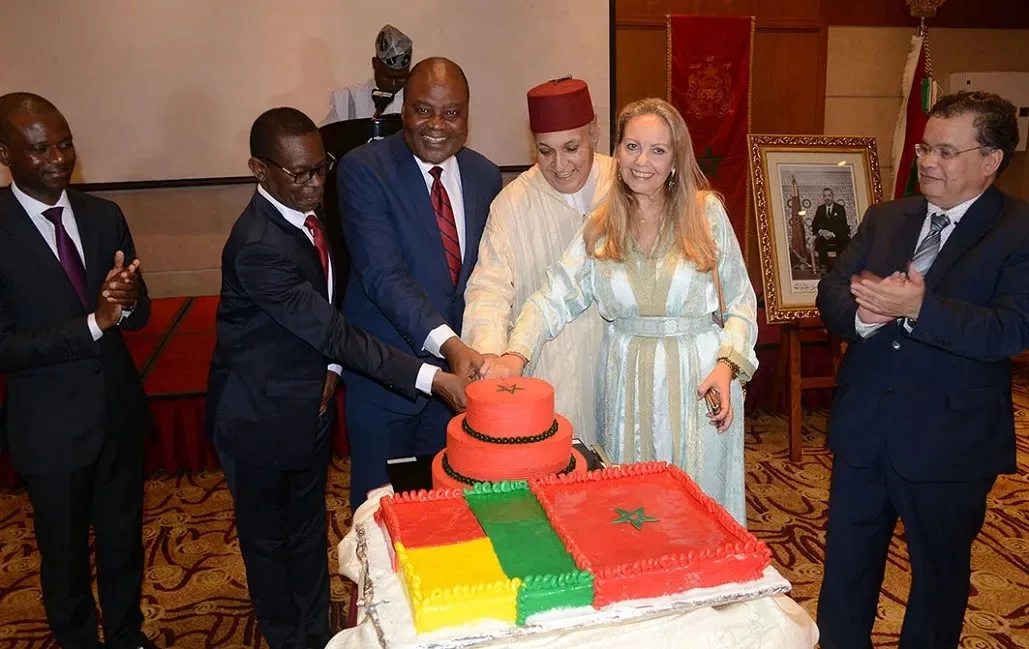
The meeting was also intended to strengthen trade exchanges, promote investments, and deepen the dialogue between Cotonou and Rabat on regional and international issues of common interest.
The discussions brought together government officials, executives, and experts from both countries. The Beninese delegation included, among others, Corinne Amori Brunet, Minister of Foreign Affairs in charge of the Integration of Afro-descendants, Hugues Oscar Lokossou, Minister Delegate to the Minister of Economy and Finance responsible for mobilizing external resources and managing debt, and Sèdami Medegan Fagla, Minister of Higher Education and Scientific Research in charge of Technical Training.
On the Moroccan side, the delegation was led by Nasser Bourita, Minister of Foreign Affairs, African Cooperation, and Moroccans residing abroad. He presented this session as an important step in the relations between the two countries and reaffirmed Rabat’s willingness to contribute to the development of Benin.
The discussions focused on several priorities: the development of economic and trade relations, the promotion of investments, university and scientific cooperation, the mobility of people, as well as technical and vocational training.
Agreements in Economy, Training, and Security
The 14 signed texts particularly concern the economy, trade, industry, finance, security, higher education, scientific research, cooperation scholarships, sports, culture, and religious cooperation. However, no detailed content or implementation schedule was provided in the communicated information.
These agreements are meant to strengthen the legal framework for Beninese-Moroccan cooperation. Their impact, however, will depend on their translation into concrete programs and projects, notably in the sectors of investment, training, and economic exchanges.
Hugues Oscar Lokossou advocated for an approach based on South-South cooperation. According to him, pooling the skills, resources, and capacities of both countries should help create more opportunities for their populations.
At the end of the session, Corinne Amori Brunet expressed the desire for the concluded agreements to be quickly followed by concrete actions. She also announced that Benin would soon be traveling to Rabat to prepare the next steps of this bilateral partnership.


Comments
Comments load when you reach this section.