
Cycling Tour of Togo 2026: Wannes Heylen wins the 31st edition, full report
Belgian Wannes Heylen won the 31st edition of the International Cycling Tour of Togo, held from May 19 to 23, 2026. Marked by a clear Belgian dominance, the competition concluded in Lomé after four stages of actual racing.

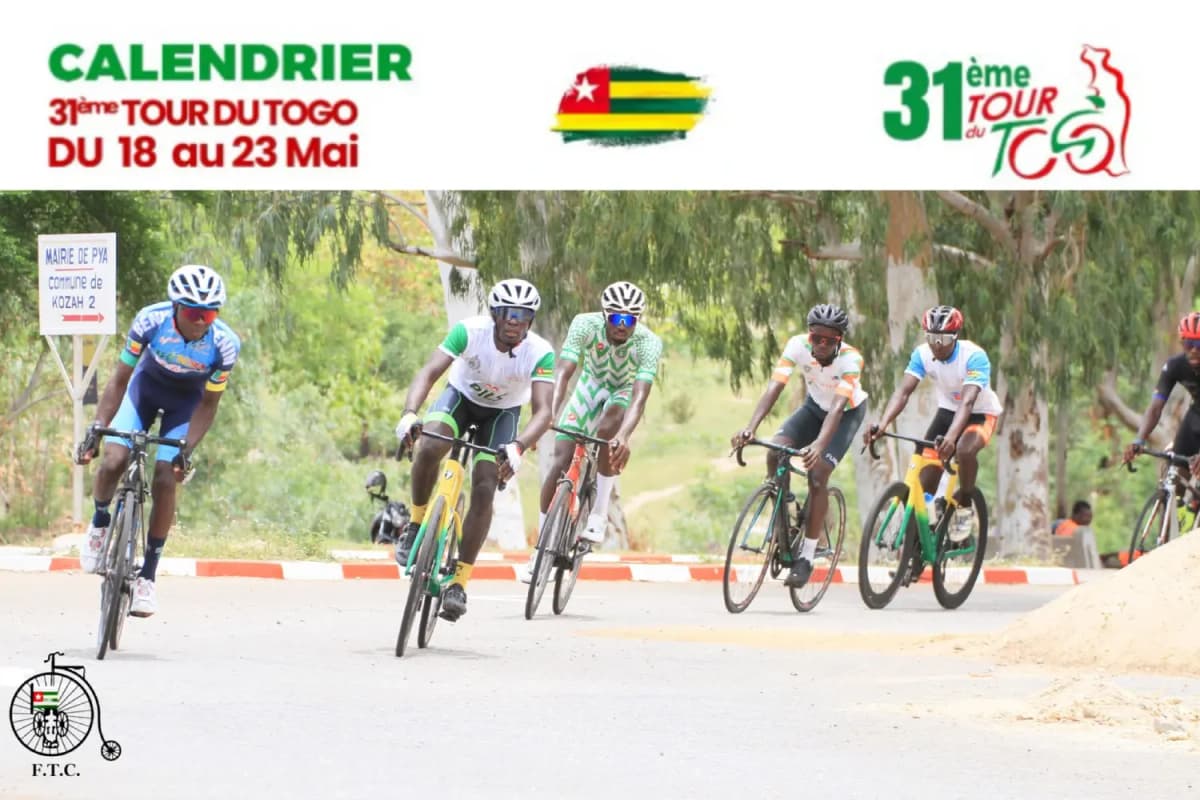
The International Cycling Tour of Togo has delivered its verdict. Belgian Wannes Heylen clinched the 31st edition of this West African competition, held from May 19 to 23, 2026, on the roads of Togo. The Belgian rider topped the overall standings after wearing the yellow jersey from the first stage and maintaining it all the way to the final arrival in Lomé.
Initially planned for five stages, this edition was ultimately reduced to four effective racing stages after the cancellation of the Kanté-Kara circuit, scheduled for the opening, due to security and organizational reasons. The riders covered a total of 534.8 kilometers, with a route connecting several localities in the country, notably Bassar, Sokodé, Atakpamé, Badou, Amlamé, Tohoun, Aného, and Lomé.
Belgian dominance was established from the first stage, which ran from Bassar to Sokodé over a distance of 70.02 kilometers. Wannes Heylen won this stage in 1h 42min 02s, ahead of Cameroonian Rodrigue Kuere and Burkinabé Moucaila Rawendé. This victory allowed him to take the yellow jersey right at the start of the competition.
The second stage, contested between Atakpamé and Badou over 82.2 kilometers, confirmed Belgian superiority. Bjorn De Decker won after a demanding stage characterized by the relief of the Plateaux and intense heat. Along with Wannes Heylen, he managed to create a gap from the rest of the peloton, allowing the eventual overall winner to solidify his lead in the general classification.
Belgium continued its stronghold during the third stage, which was 148 kilometers long between Amlamé and Tohoun. Timmy De Boes won the final sprint after a lively stage, notably marked by a solo breakaway from Burkinabé Robert Bamouni. This stage was also noted for a fall in the leading group. From the Togolese side, Dotse Koffi Blaise distinguished himself by finishing as the best national rider of the stage.
The final stage, which ran between Aného and Lomé over 85.2 kilometers, was won by Cameroonian Kuere Nouwave Rodri. He finished ahead of Malian Tiemoko Diamouténé and Beninese Sodjede Ricardo. Despite this Cameroonian victory, the Belgians controlled the peloton to protect Wannes Heylen’s yellow jersey, allowing him to maintain his lead until the end of the race.
In summary, Belgium leaves with three stage victories out of four and first place in the team general classification. Mali, the double winner of the previous editions with Yaya Diallo in 2024 and Diarra Sidiki in 2025, finishes third in the team standings without any stage wins this year.
For the Togolese riders, this edition concluded without any stage wins. The twelve representatives of the country, divided between teams Togo A and Togo B, were guided by coach Anani Koffi. Agboglati Koffi Jonas finished as the best Togolese in the general classification, while Tchalem Nyouleleng Fid secured the most combative jersey. Malian Cissé Fidèle was also recognized as the best young rider.
An Edition of Maturity
Created in 1989 at the initiative of Francis Ducreux, also the founder of the Tour du Faso, the International Cycling Tour of Togo remains one of the major events in cycling in West Africa. The event is currently organized by the Togolese Cycling Federation, with the support of Togolese authorities.
This 31st edition was also marked by significant institutional ambition. The Togolese Cycling Federation aims to include the Tour in the calendar of the International Cycling Union. The presence of Laurent Bezeau, an expert mandated by the UCI, reflects the progress of this endeavor. Such recognition could enhance the competition’s attractiveness and open the door to more regular participation by continental teams.
The race is contested over five stages, covering a total distance of approximately 534 to 600 kilometers of actual racing. The stages include both road sections and urban circuits (start and finish), with the final circuit traditionally held in the streets of Lomé.
The route follows a north-south axis traversing several regions of the country: starting from the Kara region (north), passing through the Plateaux region (Atakpamé, Badou), the Mountain area (Amlamé, Tohoun), and finishing in Lomé.
The main stage cities of recent editions include: Kara, Kanté, Bassar, Sokodé, Atakpamé, Badou, Amlamé, Tohoun, Aného, and Lomé.
Distinctive Jerseys
Five jerseys reward the leaders in different classifications:
- Yellow Jersey: leader of the overall time classification (sponsored by Ebomaf)
- Green Jersey: best sprinter (sponsored by BB Lomé)
- Polka Dot Jersey: best climber (sponsored by BB Lomé)
- White Jersey: best young rider (sponsored by ASKY Airlines)
- Napoleon Jersey: best Togolese rider (national classification)
- Most Combative Jersey (awarded at each stage)
The race gathers national teams from West Africa and, for several editions, European teams — mainly Belgian, French, and Dutch. In 2026, eleven teams participated: Benin, Belgium, Burkina Faso, Cameroon, Côte d’Ivoire, Ghana, Mali, Nigeria, Togo A, Togo B, and a mixed team consisting of six riders of different nationalities.
The presence of European riders raises the level of competition. They have frequently won the overall classification since the 2010s.
Palmares (overall classification winners)
| Edition | Year | Winner | Country |
|---|---|---|---|
| 11th | 2002 | Diego Agbéfou | Togo |
| 12th | 2003 | Diego Agbéfou | Togo |
| 13th | 2004 | Komi Dossouvi | Togo |
| 15th | 2006 | Idrissa Ouédraogo | Burkina Faso |
| 16th | 2007 | Idrissa Ouédraogo | Burkina Faso |
| 17th | 2008 | Bassirou Konté | — |
| 18th | 2009 | Hamidou Yaméogo | Burkina Faso |
| 19th | 2010 | Noufou Minoungou | Burkina Faso |
| 20th | 2011 | Noufou Minoungou | Burkina Faso |
| 21st | 2012 | Noufou Minoungou | Burkina Faso |
| 22nd | 2013 | Médéric Clain | France/Togo |
| 23rd | 2014 | Harouna Ilboudo | Burkina Faso |
| 24th | 2015 | Seydou Bamogo | Burkina Faso |
| 25th | 2016 | Sorgho | Burkina Faso |
| 26th | 2017 | Cissé Issiaka | Côte d’Ivoire |
| 28th | 2019 | Julian Hellmann | Germany |
| 29th | 2024 | Yaya Diallo | Mali |
| 30th | 2025 | Diarra Sidiki | Mali |
| 31st | 2026 | Wannes Heylen | Belgium |
Data prior to 2002 and some intermediate editions are not available in accessible sources.
The 31st Edition (2026) in Detail
Calendar and Route
The 31st edition took place from May 19 to 23, 2026, covering a total distance of 534.8 km of actual racing (plus 1,043.1 km of transfers). The first planned stage (Kanté-Kara circuit, 10 laps) was cancelled for safety and organizational reasons. The competition ultimately ran over four stages.
| Stage | Date | Route | Distance | Winner |
|---|---|---|---|---|
| 1 | May 20 | Bassar – Sokodé | 70.02 km | Wannes Heylen (Belgium) |
| 2 | May 21 | Atakpamé – Badou | 82.2 km | De Decker Bjorn (Belgium) |
| 3 | May 22 | Amlamé – Tohoun | 148 km | De Boes Timmy (Belgium) |
| 4 | May 23 | Aného – Lomé + circuit | 85.2 km | Kuere Nouwave Rodri (Cameroon) |
Results by Stage
Stage 1 (Bassar-Sokodé, 70.02 km): Wannes Heylen (Belgium) wins in 1h 42min 02s (41.175 km/h) ahead of Cameroonian Rodrigue Kuere and Burkinabé Moucaila Rawendé. Heylen takes the yellow jersey from the first stage.
Stage 2 (Atakpamé-Badou, 82.2 km): De Decker Bjorn (Belgium) wins in 2h 10min 57s (37.9 km/h) after a challenging stage marked by the relief of the Plateaux and intense heat. De Decker and Heylen broke away together before extending their lead. Heylen retains the yellow jersey.
Stage 3 (Amlamé-Tohoun, 148 km): De Boes Timmy (Belgium) wins the sprint in 3h 32min (41.8 km/h). Burkinabé Bamouni Robert attempted a solo breakaway; a fall in the leading group disrupted the rhythm. On the Togolese side, Dotse Koffi Blaise is the top national rider of stage 3. Heylen remains at the top of the overall classification.
Stage 4 (Aného-Lomé, 85.2 km): Cameroonian Kuere Nouwave Rodri wins in 1h 55min 08s (44.4 km/h) ahead of Malian Tiemoko Diamouténé and Beninese Sodjede Ricardo. The Belgians control the peloton to protect Heylen, who retains the yellow jersey and lifts the general trophy.
Final General Classification
Wannes Heylen (Belgium) wins the Tour without ever relinquishing the yellow jersey. Belgium dominates the stage results with three wins out of four. Cameroon wins the fourth stage.
In the team general classification, Belgium comes out on top. Mali finishes third despite not winning a stage — a notable regression after two consecutive titles (Yaya Diallo in 2024, Diarra Sidiki in 2025).
Togolese Performances
The twelve Togolese riders (teams A and B), led by coach Anani Koffi, completed the Tour without a stage victory. The best Togolese in the general classification was Agboglati Koffi Jonas. Dotse Koffi Blaise stood out as the top national rider in stage 3 (16th). Tchalem Nyouleleng Fid won the most combative jersey.
2026 Distinctive Jerseys
- Yellow Jersey (overall classification): Wannes Heylen (Belgium)
- White Jersey (best young rider): Cissé Fidèle (Mali), awarded at each stage
- Most Combative Jersey: Tchalem Nyouleleng Fid (Togo)
Towards a UCI Calendar Entry
The 31st edition marked a turning point in the institutional ambitions of Togolese cycling. The Togolese Cycling Federation has set the goal of including the Tour in the calendar of the Union Cycliste Internationale (UCI), which would grant it official status among globally recognized events.
The presence of Laurent Bezeau, an expert mandated by the UCI, during this 2026 edition demonstrates the concrete advancement of this effort. A UCI entry would attract continental-level teams and enhance the international visibility of the event.
The Tour of Togo is part of a network of West African stage races, with the most significant editions being the Tour du Faso (Burkina Faso, the flagship race of the sub-region, included in the UCI Continental calendar), the Tour of Senegal, and the Tour of Mali.
The domination of Burkinabé riders from 2006 to 2016, along with Europeans (French, Germans, Belgians) in certain editions, and Malians in 2024 and 2025 illustrates the open competition represented by this event. The 31st edition saw a clear Belgian superiority, with the three riders from the national team sharing the stage victories and the yellow jersey.
Related Articles
 Chess: Russian Sergey Indeykin dies at 36 after contracting malaria in Nigeria
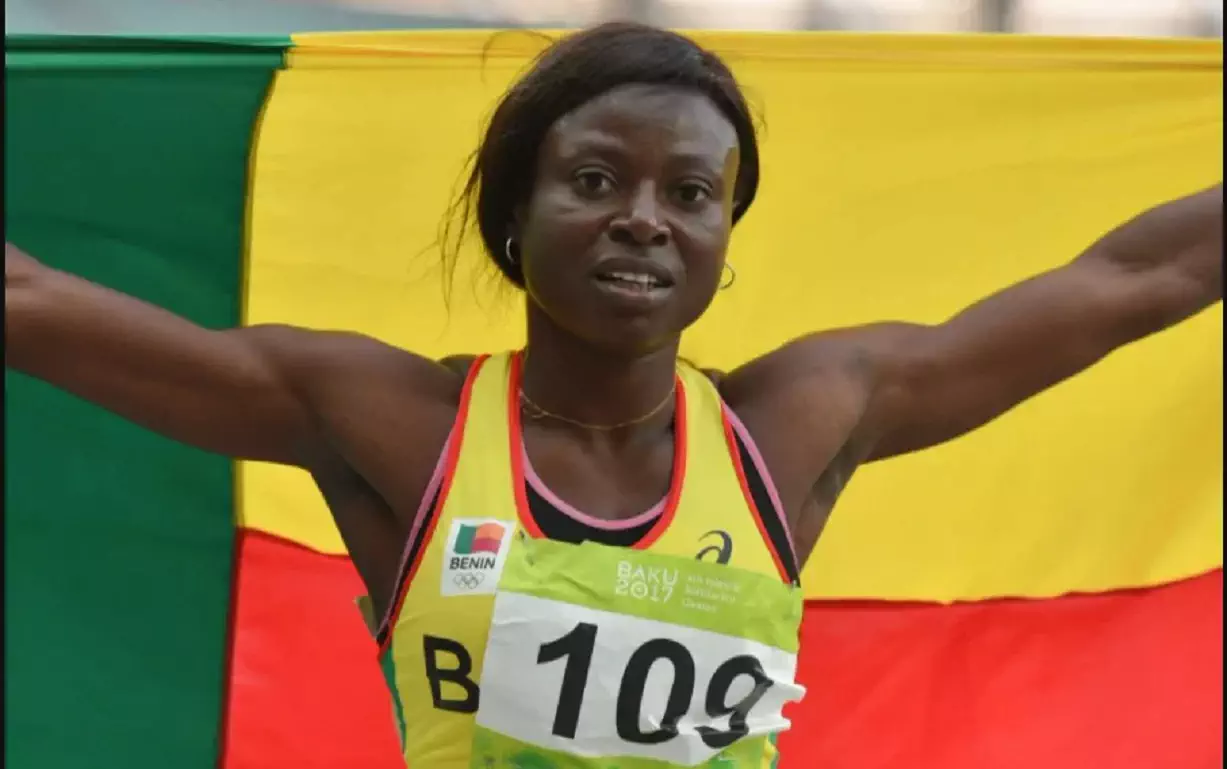 Athletics: Noelie Yarigo wins gold in the 800m in Daegu, South Korea
 Tennis: after the Billie Jean King Cup, Benin continues with its national championship
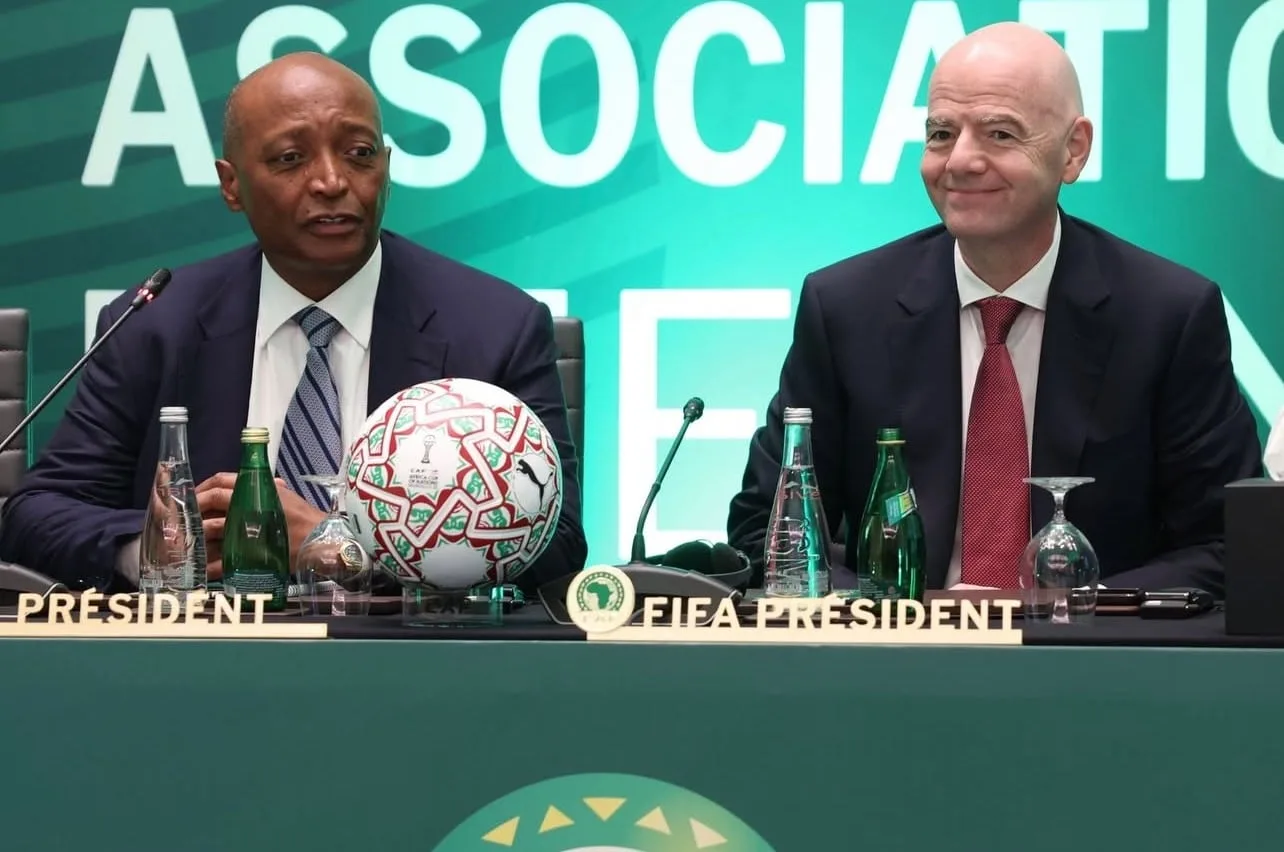 FIFA: Norway calls for Gianni Infantino’s resignation, CAF maintains its support.
Comments
Comments load when you reach this section.