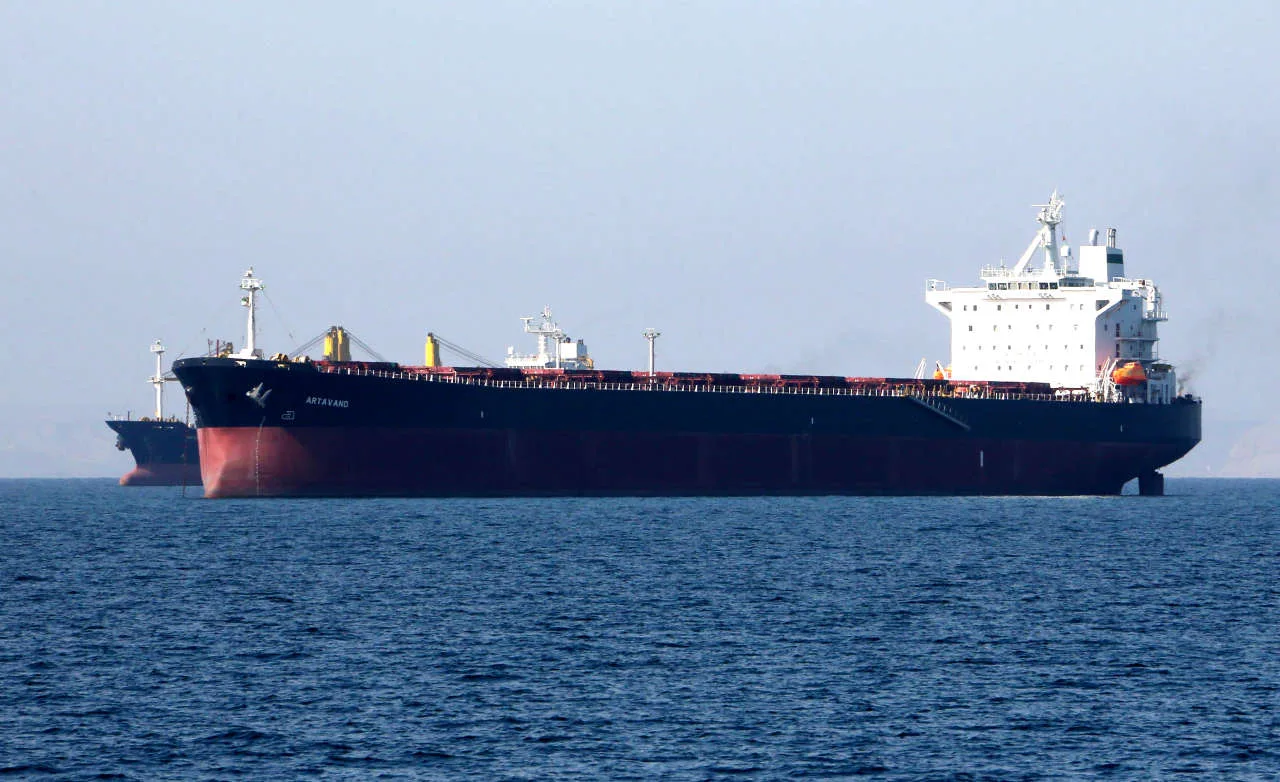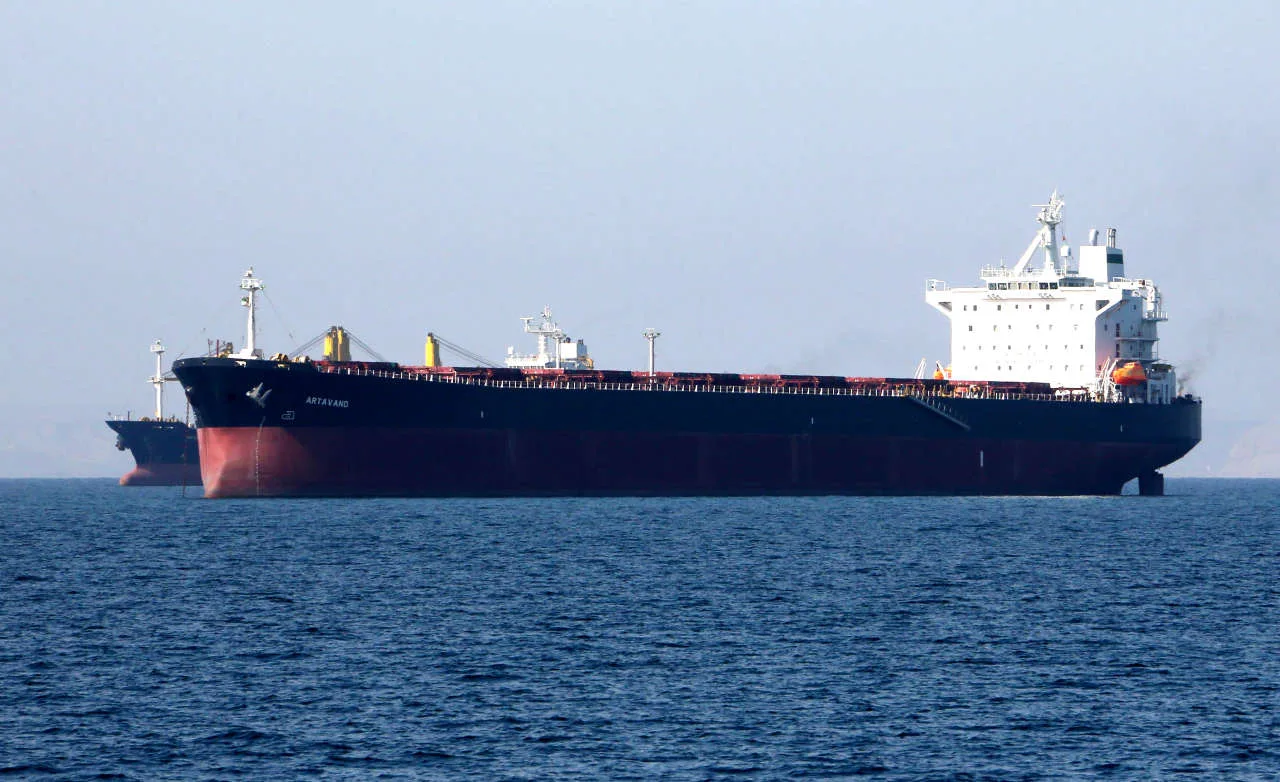
United States-Iran: Washington announces destruction of five Iranian oil tankers
Tehran has threatened further retaliation in the Gulf following the operation announced by the U.S. Central Command.
Follow all Middle East news: politics, economy, sports, society, culture — analysis, videos and live updates.
Tehran has threatened further retaliation in the Gulf following the operation announced by the U.S. Central Command.
Saudi Arabia is preparing a framework granting the IAEA additional verification powers over sensitive nuclear activities, without fully adopting the Additional Protocol.
The price of gasoline in Iran is increasing from 8 September for motorists exceeding 110 liters per month: the additional liter rises from 50,000 to 100,000 rials, while the two subsidized quotas remain unchanged.
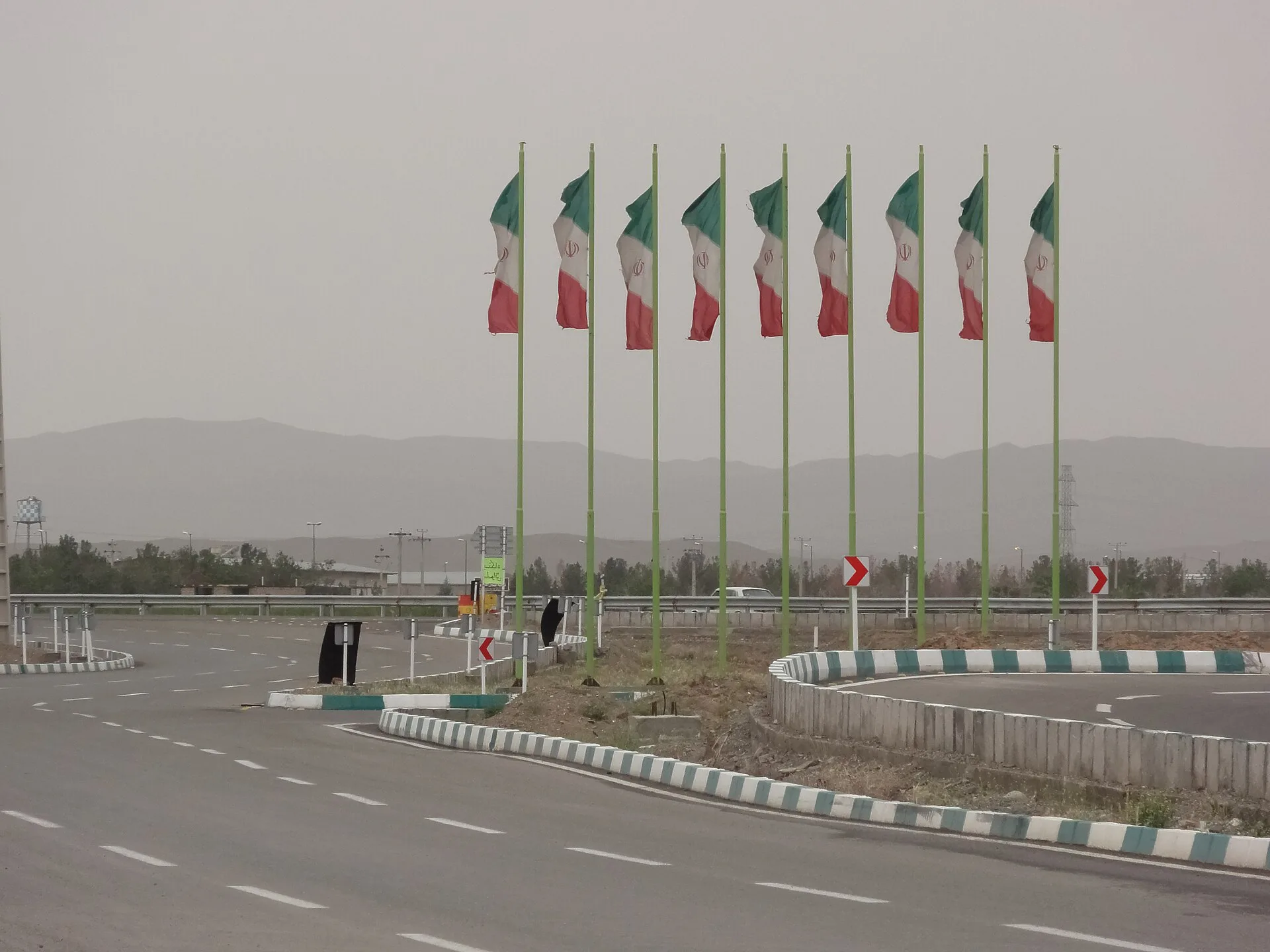
The IAEA Board of Governors adopted a resolution on Wednesday in Vienna referring Iran to the UN Security Council for failing to comply with its nuclear safeguards obligations.
Iran launched 20 ballistic missiles towards Jordan on Wednesday, 18 of which were intercepted, following American strikes against five Iranian oil tankers. Tehran claims to have targeted a base used by American forces and ships near the Strait of Hormuz.
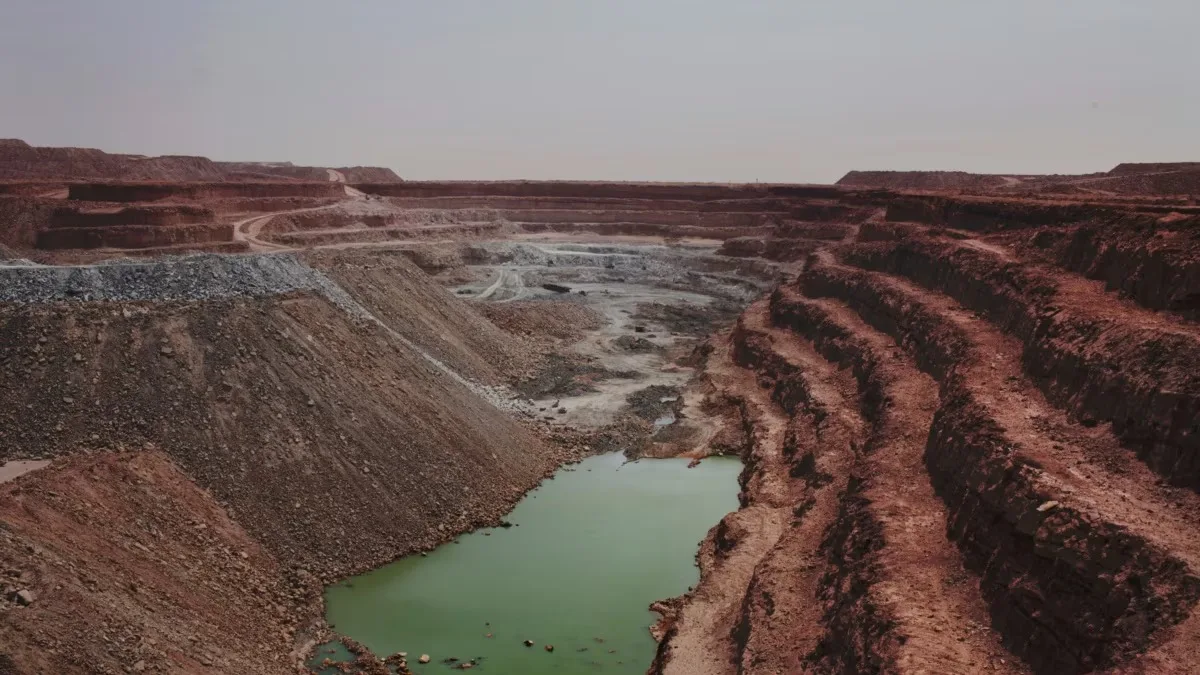
The IAEA has placed under safeguards approximately 73 tonnes of natural uranium related to the former Syrian nuclear program. The Deir ez-Zor reactor, destroyed in 2007, could have quickly produced fissile material usable for military purposes, without the agency being able to establish the intention of the Bashar al-Assad regime.
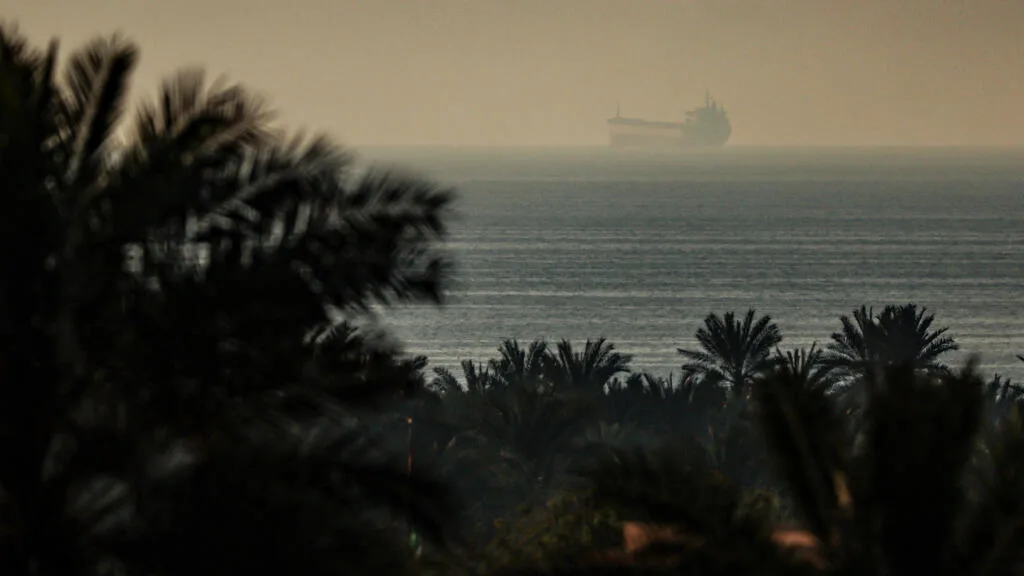
The United Arab Emirates are accelerating the development of ports, pipelines, railway networks, and trade corridors to reduce their dependence on the Strait of Hormuz, which has been destabilized by the war between the United States and Iran.
At least 73 people, including women and children, have been injured in a series of attacks claimed by the Houthis against several cities in Saudi Arabia. The Riyadh-led coalition promises military measures in response to this new escalation.
The United Kingdom, France, and Canada announced on Tuesday national measures aimed at banning imports of goods originating from Israeli settlements in the occupied West Bank, in a coordinated initiative intended to pressure against the expansion of settlements.