
Comlan Hugues Sossoukpè Case: A Matter of Professional Conscience
In the recollection of Beninese journalists, there has never been a situation like what occurred with the arrest on Thursday, July 10, 2025, in Abidjan, of Comlan Hugues Sossoukpè, who was regularly invited by the Ivorian Ministry of Digital for media coverage.
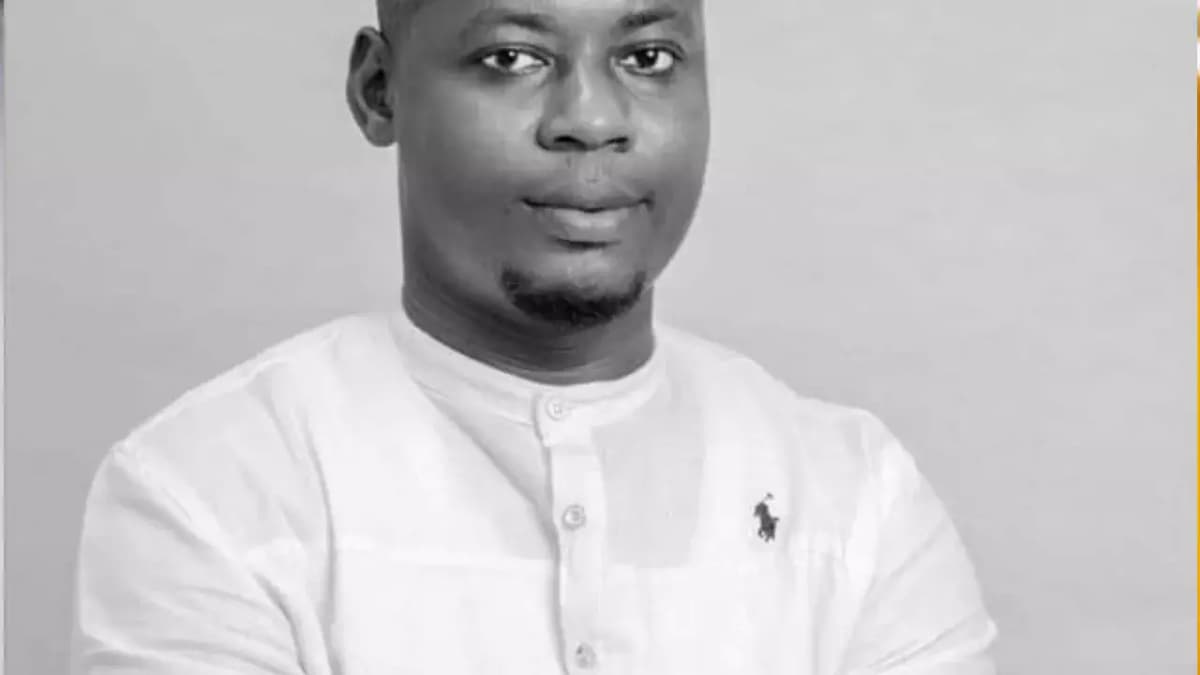
In the recollection of Beninese journalists, there has never been a situation like what occurred with the arrest on Thursday, July 10, 2025, in Abidjan, of Comlan Hugues Sossoukpè, who was regularly invited by the Ivorian Ministry of Digital for media coverage.
Immediately extradited to Benin, he was presented to the judge of freedoms and detention of the Court of repression of economic crimes and terrorism (#CRIET) and placed under warrant of deposit.
The web activist and whistleblower, who has refugee status in Togo, is accused of “inciting rebellion, inciting hatred and violence, harassment through electronic communication, and glorifying terrorism”.
Apart from all political and partisan considerations, besides the judicial twists, this case causes certain discomfort among media professionals and reveals an utter loss of bearings within the profession, each one questioning without being able to answer what the correct approach should be in this circumstance. With which hand should one handle this hot potato that threatens to lodge in one’s throat and scorch the muscles of swallowing and phonation?
𝐀𝐧 𝐚𝐩𝐩𝐚𝐥𝐥𝐢𝐧𝐠 𝐫𝐞𝐬𝐢𝐠𝐧𝐚𝐭𝐢𝐨𝐧
Without necessarily taking an aggressive stance, professional journalism associations in Benin had the obligation to take responsibility, not necessarily by condemning, but at least by acknowledging the facts, questioning, and urging respect for procedural rules and the rights of the colleague, before being more fully informed.
Whatever the charges brought against the colleague, and without prejudice to the rights that the State reserves to protect itself against certain abuses.
But they simply chose to be absent from the debate and to silence their conscience, suggesting a sense of a distressing resignation. By doing so, they prove the lethargy of this profession that has lost its bearings. Once upon a time, the Union of Professional Journalists of Benin (UJPB), despite its shortcomings, would have proven its existence and usefulness, by at least issuing a principle statement.
In the meantime. And this would have had the merit of addressing some concerns fueling the controversy on the web, which discredit the profession. Certain points of discussion that deepen the gap of misunderstanding would thus have been clarified and settled. And if Comlan Hugues Sossoukpè is not recognized as a journalist, the need for clarification became even more imperative.
𝐉𝐨𝐮𝐫𝐧𝐚𝐥𝐢𝐬𝐭 𝐨𝐫 𝐧𝐨𝐭 ?
Because truth and honesty are intrinsic to the profession of journalism, a statement (maybe joint) from professional associations should clarify everyone on the status of Comlan Hugues Sossoukpè. Is he a journalist? If yes, what do his colleagues think of his situation and what do they decide? What subsequent steps are considered or taken towards the relevant authorities to understand and grasp the situation?
And if the concerned person is not recognized as a journalist, what is the profession doing to quell the controversy about him? There is a courageous decision to be made here to affirm the eagerly awaited position of Beninese professionals in this case. Otherwise, the profession is sliding into decline. Maybe because succession is poorly handled. Or that, out of opportunism, the paradigms have changed that much. Once, there was a fight to create and establish a profession in the democratic ecosystem.
Today, clearly, individualism has killed all corporate codes. Everyone settles in journalism and God pushes them toward their personal successes. Even if it means throwing pride in the trash. While thriving in cowardice and compromise.
Related Articles
 Growing insecurity at West African borders and the need for a regional wake-up call.
 Is Mali moving toward a memory law? The urgency of criminalizing colonial and post-colonial crimes.
 Niger seeks justice over Orano’s environmental crimes
 AU-EU Summit: when the question of reparations for historical crimes is forgotten