Burkina Faso: dissolution of political parties and adoption of the RELANCE Plan 2026-2030
The transitional government of Burkina Faso announced, this Thursday, January 29, 2026, the dissolution of all political parties and formations in the country, alongside the adoption of a new national development framework for the period 2026-2030.
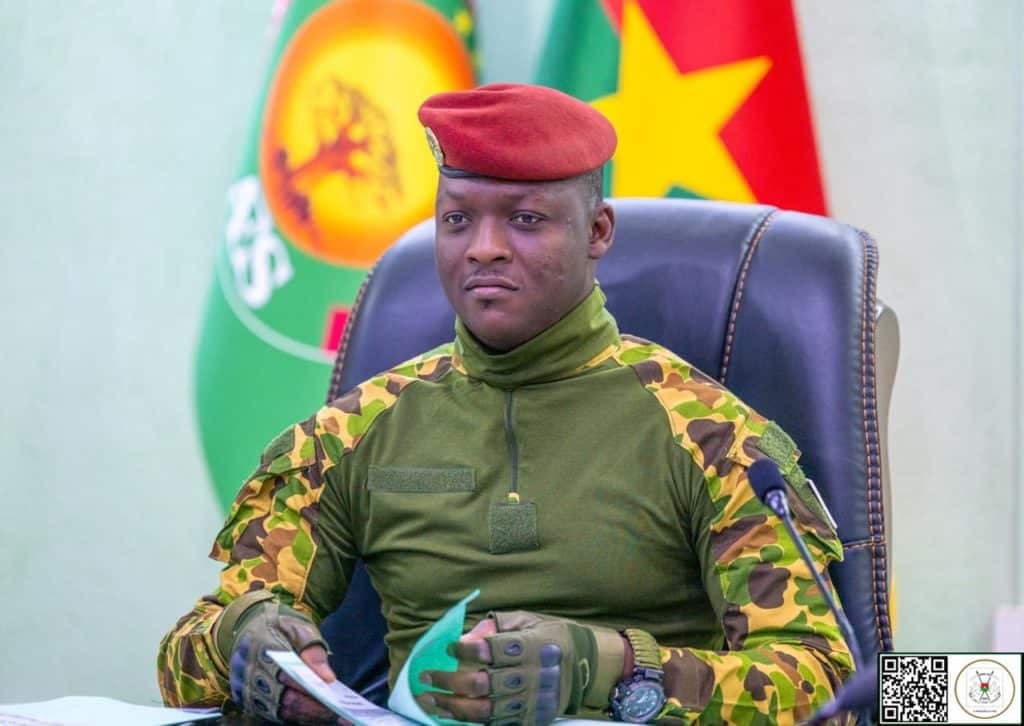
Chaired in a Council of Ministers meeting by Captain Ibrahim Traoré, the transitional authority adopted a decree dissolving all political formations and a draft law aiming to repeal the legislative texts that governed their operations, their financing, and the status of the leader of the opposition. According to the government, this decision is part of a process to rebuild the State after a thorough analysis of the party system, deemed a source of social divisions and abuses in the application of the legal regime.
The Minister of Territorial Administration and Mobility, Émile Zerbo, explained that the multiplication of parties had contributed to weakening social cohesion and to complicating public administration. The decree specifies that the assets of the dissolved parties will be transferred to the State and that the related bills will be submitted to the Transitional Legislative Assembly as soon as possible.
This measure comes in a context where the activities of political parties had already been suspended for several years under the military transition, following the September 2022 coup.
The transitional government of Burkina Faso announced, this Thursday, January 29, 2026, the dissolution of all political parties and formations in the country, alongside the adoption of a new national development framework for the period 2026-2030.
Chaired in a Council of Ministers meeting by Captain Ibrahim Traoré, the transitional authority adopted a decree dissolving all political formations and a draft law aiming to repeal the legislative texts that governed their operations, their financing, and the status of the leader of the opposition. According to the government, this decision is part of a process to rebuild the State after a thorough analysis of the party system, deemed a source of social divisions and abuses in the application of the legal regime.
The Minister of Territorial Administration and Mobility, Émile Zerbo, explained that the multiplication of parties had contributed to weakening social cohesion and to complicating public administration. The decree specifies that the assets of the dissolved parties will be transferred to the State and that the related bills will be submitted to the Transitional Legislative Assembly as soon as possible.
This measure comes in a context where the activities of political parties had already been suspended for several years under the military transition, following the September 2022 coup.
The formal dissolution of political formations constitutes a further step in the reshaping of the country’s political institutions.
In the same meeting, the Council of Ministers adopted the “RELANCE PLAN 2026-2030,” a new national development framework estimated at 36 trillion CFA francs. This plan rests on four priority axes: strengthening security and social cohesion, rebuilding the State and improving governance, developing human capital, and modernizing infrastructure and the structural transformation of the economy.
The Burkinabè authorities indicate that this program aims to strengthen national unity, spur economic growth, reduce poverty, and improve access to essential services, in a country facing persistent security and social challenges.