
Benin: Yassine Latoundji takes the helm of the Ministry of Culture.
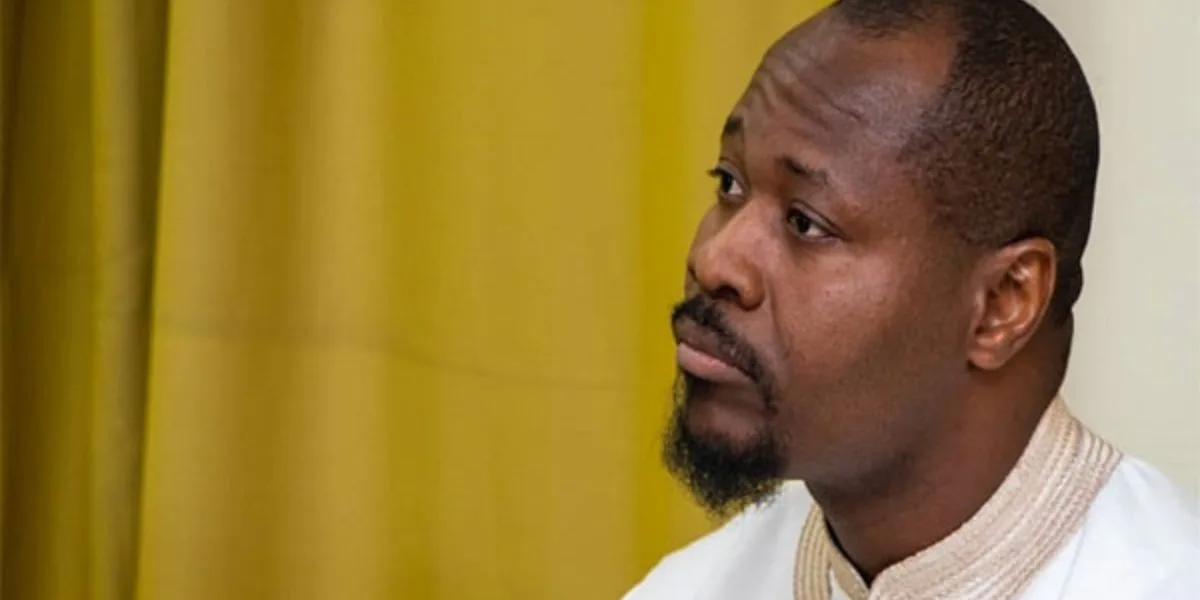
Yassine Latoundji has officially taken over as the Minister of Culture, Arts, and Heritage, now separate from Tourism in the Wadagni government’s structure. A visual artist and senior public finance official, he has framed his mandate around three commitments: Beninese identity, creators, and heritage, with the ambition of making culture a leverage for influence as well as income for those who embody it.

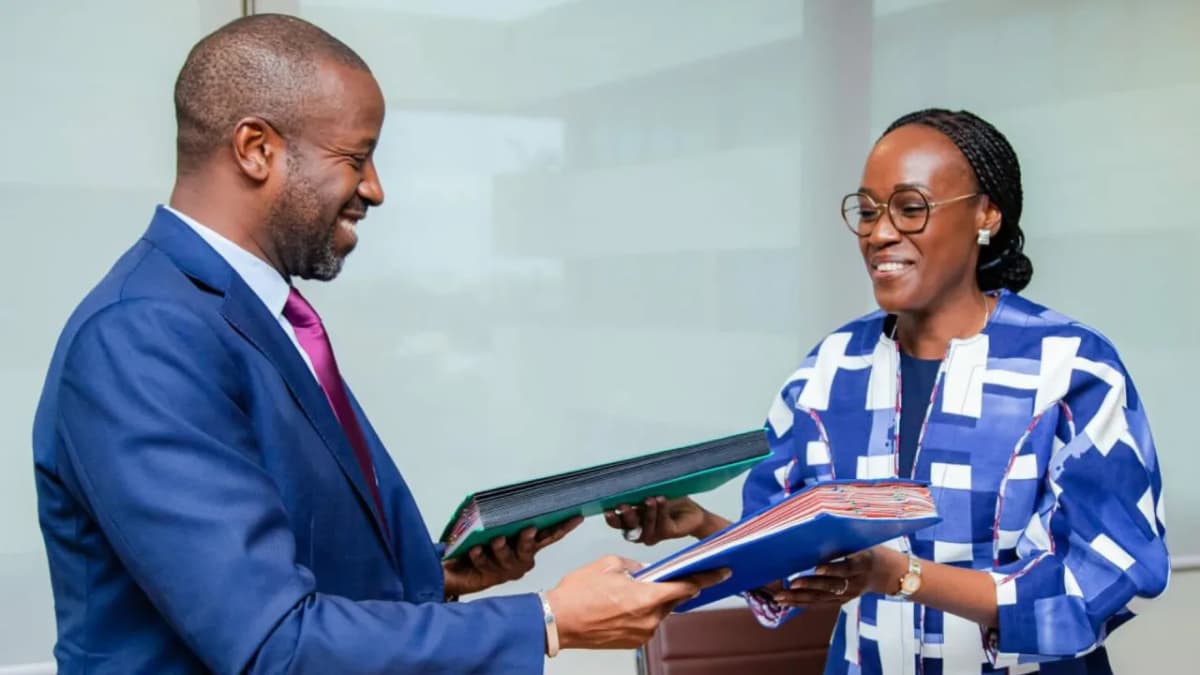
Yassine Latoundji officially assumed his role as Minister of Culture, Arts, and Heritage on Tuesday, May 26, at the ministerial city in Cotonou, during a handover ceremony with Shadiya Alimatou Assouma, who was acting as interim for the culture portfolio within the Ministry of Tourism, Culture, and Arts under Patrice Talon. The ceremony took place in the presence of officials from both ministries, general directors of agencies, and several stakeholders in the cultural sector. This event marks a structural break: for the first time under the Fifth Beninese Republic, culture has a ministry distinct from tourism.
In his speech, Latoundji set the tone from the start: “I am not here to give a speech; I come to make a commitment.” He announced three directions he described as “great commitments”: a commitment to Beninese identity through the promotion of languages, rites, Vodun, and royal heritage; a commitment to Beninese creators and artists, aimed at structuring industries, improving copyright protection, and facilitating access to funding and training; and a commitment to cultural heritage as a “living memory, economic wealth, and promise for tomorrow.” Regarding the relationship between culture and the economy, he issued a warning: “A culture that shines without enriching those who carry it is just a showcase.”
Shadiya Alimatou Assouma, who briefly handled the cultural transition, outlined the challenges inherited: unfinished institutional reforms, ongoing museum and heritage projects, and the necessity of structuring and professionalizing the sectors.
An Artist and Director General of Finance at the Head of Culture
Yassine Latoundji was born in 1980 in Besançon, to Beninese parents. His background is the most atypical in the Wadagni government: formally an artist, he has simultaneously conducted an international artistic career for over twenty years while being a high-ranking official at the heart of Beninese public finances. Trained in painting in Paris and Ivory Coast, his pictorial work — described by Bénin Web TV as “a collection of faces and moments” exploring the complexity of social ties in African societies — has been exhibited in Cotonou, Mexico City, New York at the RogueSpace Gallery, and UNESCO in Paris. In parallel, he climbed the ranks in the Ministry of Economy and Finance up to the position of Director General of International Cooperation, which he held at the time of his appointment.
His appointment to head the Culture Ministry is presented by Triomphe Mag as a first in the African political landscape: “For the first time in Benin, it is a practicing artist who leads the cultural department.” His nomination has sparked positive reactions in Beninese artistic and cultural circles, according to local media.
A Heavy Legacy to Handle
The ministry inherits a substantial record built under the Talon regime, particularly through the efforts of former minister Jean-Michel Abimbola, whom Latoundji praised in his speech. In 2021, Benin opened the Museum of the Epic of the Amazons and Kings of Dahomey in Abomey, accompanied by the restitution by France of 26 royal works. The Vodun Days have emerged as one of the most visible cultural events in West Africa — the last edition in January 2026 gathered thousands of participants in Ouidah. A partnership with the French publisher MédiaParticipations has been launched to position Benin as an African hub for publishing and webtoons, with the first cohort completing its training in 2025. The Porto-Novo Mask Festival is scheduled for July 25 and 26, 2026.
The separation of cultural and tourism functions into two distinct ministries — culture now under Latoundji, with tourism and foreign trade managed by Olushegun Adjadi Bakari — reflects the analysts’ view of Wadagni’s desire to give each sector its own leadership, in a country where cultural tourism has been a central component of economic development since the launch of the “Bénin Révélé” program under Talon.
Comments
Comments load when you reach this section.