
Benin: two years after his election to the HAAC, Basile Tchibozo takes stock and looks forward to the remaining challenges.
Two years after his election to the 7th term of the Higher Authority of Audiovisual and Communication, Basile Tchibozo sent a message of gratitude to media professionals. Elected representing the print media, he highlights the reforms undertaken within the institution while acknowledging that several issues are still awaited by the industry, notably state support for the press, the Media Development Support Fund, and the improvement of working conditions in the profession.

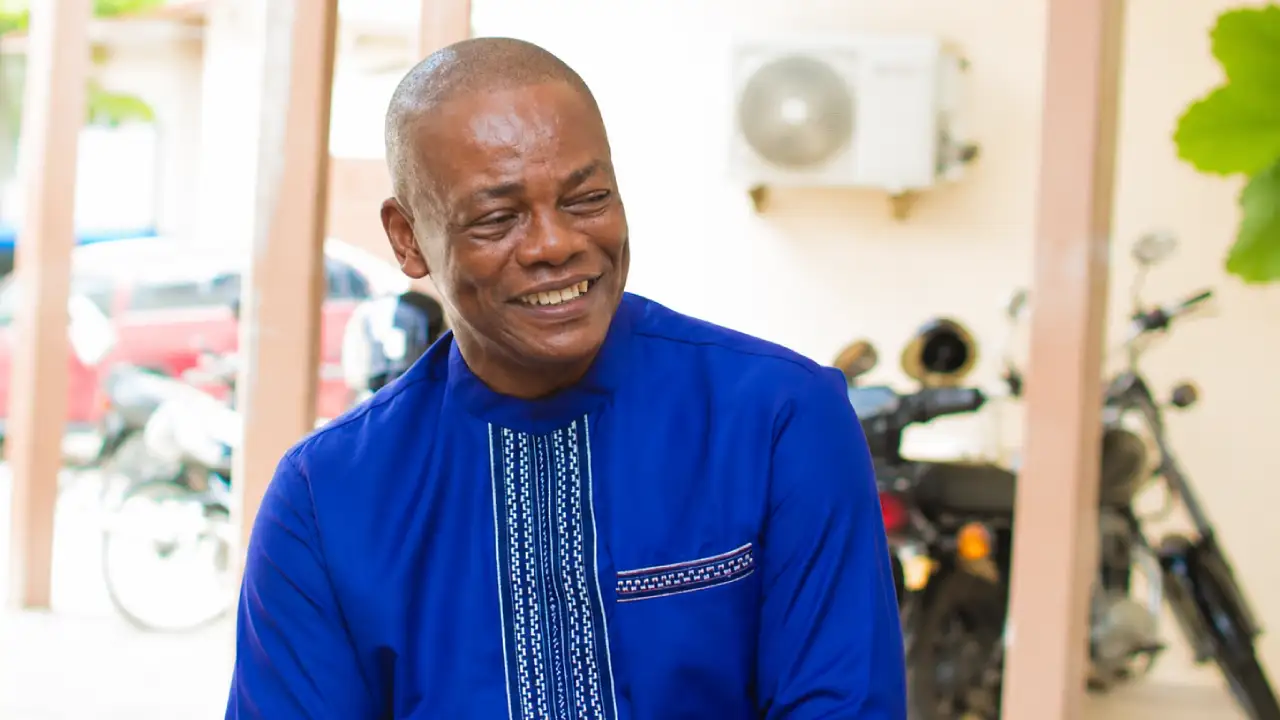
Two years after his election to the Higher Authority of Audiovisual and Communication, Basile Tchibozo reviews his actions and reaffirms his commitments to media professionals. In a message addressed to media owners, journalists, and sector stakeholders, the elected advisor representing the print media expressed his gratitude to those who entrusted him with their confidence on June 9, 2024.
This message, published on the occasion of the second anniversary of his election to the 7th term of the HAAC, serves both as an act of acknowledgment and a progress report. Basile Tchibozo reflects on the reforms initiated within the regulatory institution, while also discussing the projects that remain to be completed to improve the professional and economic environment of the media in Benin.
Elected to represent the print media, he claims to have positioned his mandate under the sign of modernization, credibility, and the defense of the industry’s interests. In this regard, he commends the work conducted under the presidency of Édouard Loko, in collaboration with the other advisors of the institution.
Reforms Undertaken Within the Institution
In terms of actions taken since the start of the 7th term, Basile Tchibozo highlights several advancements. He notably cites the cleaning up of the media professionals’ registry, a process presented as necessary to better identify the sector’s actors and enhance the credibility of the profession.
The rehabilitation of the Media House is also among the achievements mentioned. This space, important for the associative and professional life of the media, is expected to play a central role in supporting journalists, media outlets, and representative structures of the industry.
The HAAC advisor also mentions the capacity-building of sector actors. In a media landscape faced with digital changes, professionalization demands, and economic challenges, continuous training appears as an essential lever to improve content quality, respect for ethics, and the viability of media enterprises.
Another point cited is the improvement of the monitoring system. For the regulatory institution, monitoring audiovisual, digital, and media content is a major challenge, especially during elections, in the handling of public information, or against abuses related to misinformation, violations of ethics, and harmful content.
Digitalization and New Internal Regulations
Basile Tchibozo also emphasizes the efforts to digitalize certain administrative processes within the HAAC. This initiative aims to simplify procedures, reduce administrative burdens, and adapt the institution to the demands of a media sector undergoing transformation.
The adoption of new internal regulations is also among the achievements highlighted. This text aims to better organize the internal functioning of the institution, clarify procedures, and enhance the effectiveness of regulatory actions.
For the advisor, these various reforms reflect the 7th term’s desire to consolidate media regulation while meeting the industry’s expectations. They are set against a backdrop where media professionals have been demanding greater recognition, protection, and support mechanisms for several years.
But Basile Tchibozo acknowledges that the assessment cannot be presented as completed. Several structural issues remain open and continue to concentrate the expectations of journalists, media promoters, and professional organizations.
State Aid to the Press Still Awaited
Among the key issues that need to be pursued is the question of state aid to the press. This matter remains one of the most sensitive for Beninese media companies, which are facing persistent economic difficulties, declining advertising revenues, and high production costs.
Basile Tchibozo also discusses the establishment of the Media Development Support Fund. This mechanism is awaited by part of the industry as a tool capable of supporting the professionalization of media outlets, modernizing equipment, facilitating the digital transition, and strengthening the economic viability of media enterprises.
Structural reforms concerning media companies are also mentioned among the priorities. These could focus on the organization of the sector, working conditions, professional obligations, transparency of media structures, or further consolidation of the media’s economic model.
Through these files, the question of the media’s economic survival is highlighted. In an environment marked by competition from digital platforms and the fragility of the advertising market, many outlets struggle to guarantee stable working conditions for their teams.
The Working Conditions of Journalists at the Heart of Concerns
Basile Tchibozo’s message places significant emphasis on the living and working conditions of journalists. This concern remains central in the media sector in Benin, where professionals face often challenging realities: salary precariousness, lack of formal contracts, weak social protections, and economic pressure on the newsrooms.
For the HAAC advisor, improving these conditions must remain a priority objective. It conditions not only the dignity of professionals but also the quality of the information produced. A poorly paid journalist, insufficiently protected, or exposed to constant economic pressures works in an environment that can undermine their independence and professional rigor.
Benefits related to the press card are also part of the topics discussed. Basile Tchibozo views this issue as important for enhancing the attractiveness of the profession and giving more concrete substance to the professional recognition of journalists.
Beyond its identification role, the press card could become a lever for access to certain benefits, services, or support mechanisms. However, this question remains linked to institutional decisions and expected arbitrations from the competent authorities.
A Reaffirmed Commitment to the Industry
In presenting this assessment, Basile Tchibozo also seeks to reassure media professionals about the continuation of the ongoing projects. He asserts his desire to continue working, alongside the other HAAC advisors, for the enhancement of the Beninese press and the consolidation of its place in the democratic life.
His message comes in a context of high expectations towards the institutions responsible for regulating and supporting the media. The HAAC is called upon to maintain a delicate balance between regulation, protection of press freedom, professionalism demands, and sector support.
For media stakeholders, the next years of the term will be decisive. They should allow the transition from institutional reforms to concrete results on the most anticipated issues: aid to the press, Media Development Support Fund, working conditions, benefits related to the press card, and economic viability of enterprises.


Comments
Comments load when you reach this section.