
Benin: adoption of a strategy for inclusive basic education by 2030
At the Council of Ministers on September 17, 2025, the Strategy for Strengthening Educational Alternatives for the 2026–2030 period was approved. This plan aims to guarantee every child and young person access to an inclusive and diversified basic education, with a budget of 283.7 billion FCFA.
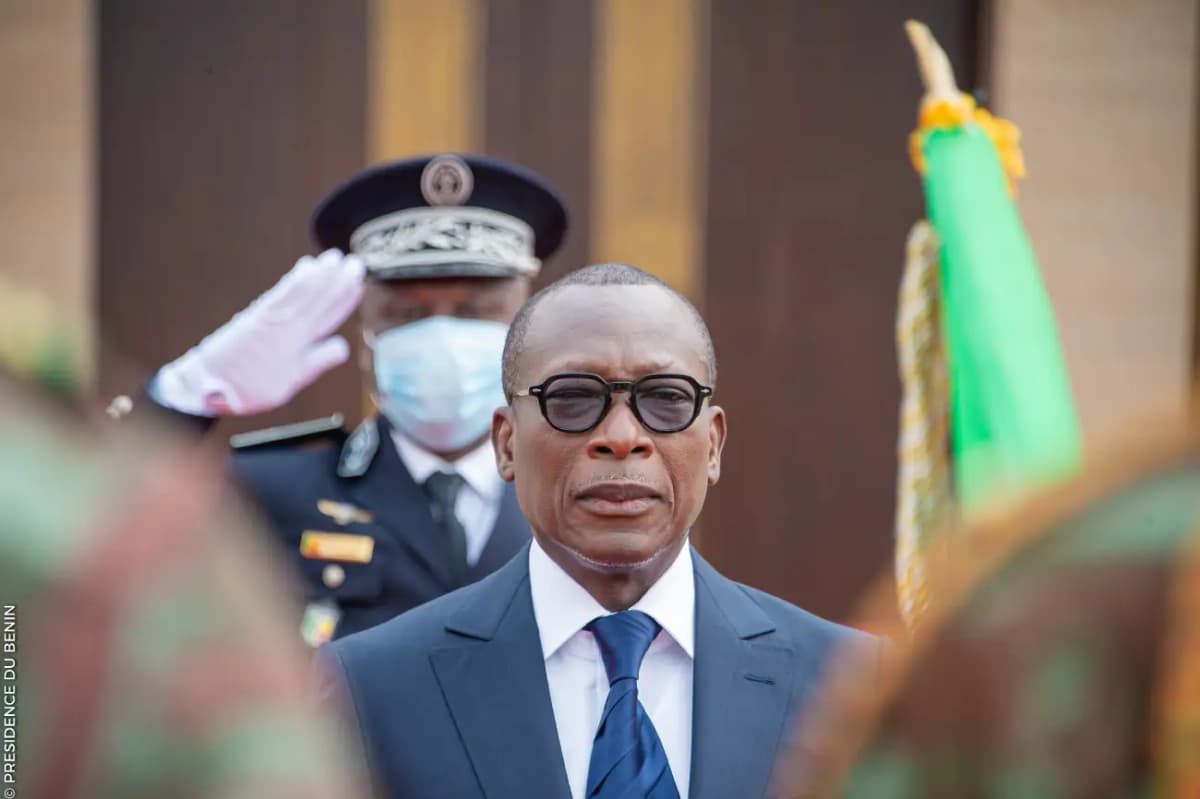
Benin: the government adopts a strategy for inclusive basic education by 2030. This strategy seeks to break with the exclusively school-based model which, despite its achievements, still produces dropouts and exclusions.
It now focuses on a varied, tailored educational offer that includes formal schooling, vocational initiation, and instruction in French or national languages. Educational alternatives mainly target children aged 9 to 14 who are excluded from the traditional system.
The government proposes extending the duration of basic education from 12 to 15 years to enable all learners under 15 to reach the final year of secondary school (Terminale). The goal is to reinforce the right to education and promote the socio-economic integration of young people.
The implementation of this policy rests on several levers, including the effective application of the new educational architecture, increased involvement of local authorities, community buy-in, and support from technical and financial partners.
Related Articles
 Theft at the University of Abomey-Calavi: a fake soldier sentenced to two years’ imprisonmentDeath of a woman at CHUD-O: three health workers sentenced to 24 months in prison
 Death of an eight-month-pregnant woman in Abomey-Calavi: her partner and his father were remanded in custodyA Beninese man has been sentenced to 30 years in prison for the murder of his Togolese business partner