
Benin: 75% of citizens demand political neutrality from traditional leaders, according to an Afrobarometer survey
A study conducted by Afrobarometer through the Innovative Research in Economics and Governance (IREG), published on August 10, 2026, highlights the expectations of Beninese citizens towards customary authorities.

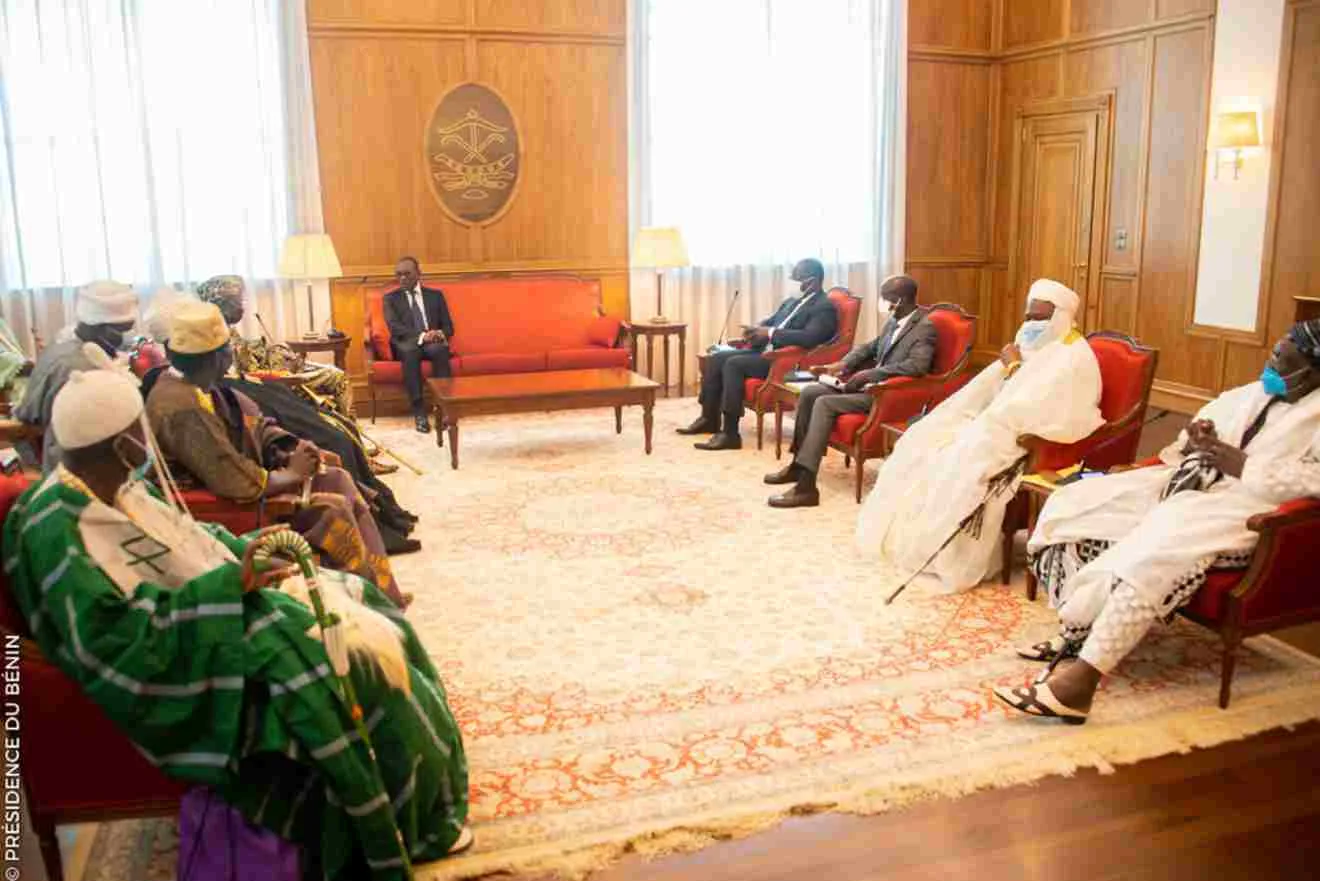
Carried out among 1,200 adults between late January and early February 2024, the survey reveals that an overwhelming majority—three out of four Beninese (75%)—believe that traditional leaders must maintain strict political neutrality and allow voters to freely decide their vote.
The study nevertheless highlights the central role of chieftaincy at the community level. A clear majority of respondents (60%) want their influence on local governance to be strengthened, while 54% consider that these leaders consolidate Beninese democracy.
Furthermore, 62% of those surveyed believe that traditional leaders primarily work for the well-being of their populations, compared to 26% who perceive a defense of personal interests.
On the institutional level, the report recalls the adoption of law no. 2025-09 of April 3, 2025, establishing the legal framework for traditional chieftaincy, a text that enshrines 90 chieftaincies across the national territory.
Although their prerogatives are now symbolic and consultative, the guardians of tradition retain a decisive weight in social cohesion and local stability.



Comments
Comments load when you reach this section.