
Benin 2060: Daniel Edah calls for a strong political vision to avoid past failures
In a statement released this Monday, Daniel Edah, a declared candidate for the 2026 presidential election, praised the adoption of the strategic vision “Benin 2060”, while strongly calling on the entire political class to avoid letting this new development horizon suffer the same fate as “Benin 2025 Alafia”.
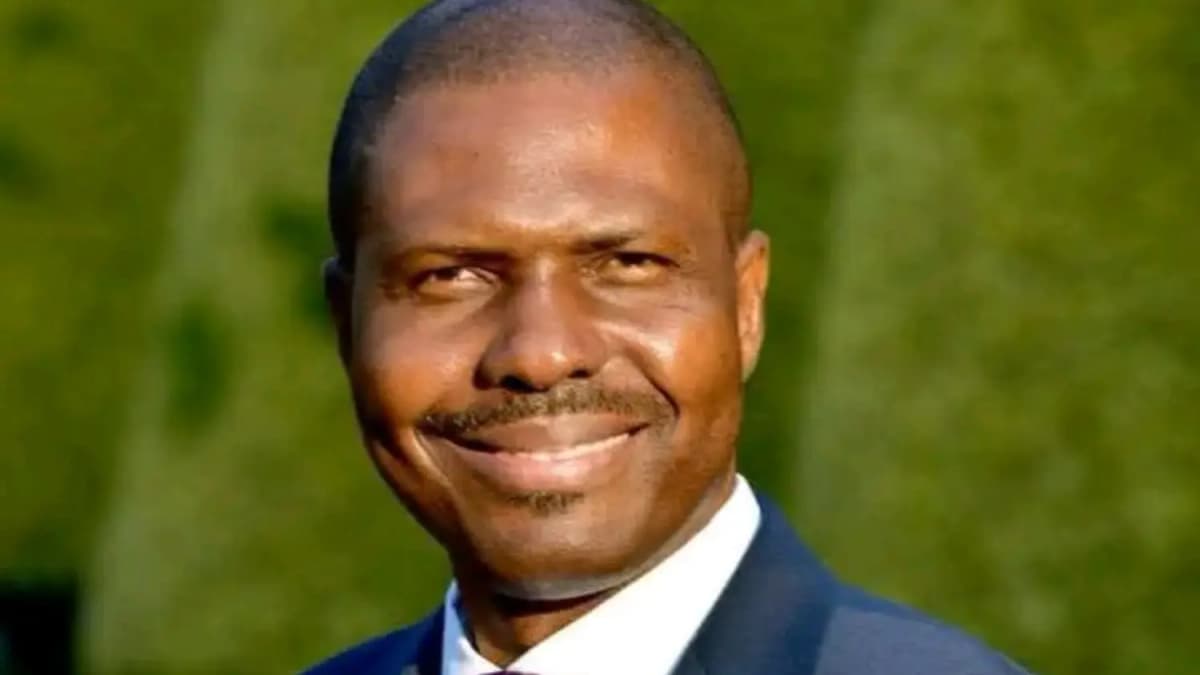
Reflecting on the history of strategic planning in Benin, Edah recalls that in 2000, during the presidency of General Mathieu Kérékou, the country was equipped with an ambitious prospective document, Benin 2025 Alafia. Resulting from a participatory process conducted with the support of UNDP, this framework aimed to make Benin a “leading country, well-governed, united, and at peace”. However, according to Edah, this vision was never really carried forward by the successive leaders, leading to governance “marked by ad hoc actions and a persistent lack of continuity in the state’s action”.
Today, as President Patrice Talon’s government has just had the new vision Benin 2060 Alafia unanimously adopted by the National Assembly, Daniel Edah praises this “major initiative” and congratulates the political consensus it has elicited. However, he insists that “it is now essential for everyone, individually or through their party, to develop a clear political vision, in harmony with Benin 2060“.
For Edah, the success of this new strategic framework will depend on the ability of political actors to genuinely appropriate it. “It is time to capitalize on the achievements. It’s time to stop the never-ending cycle of starting over in our country’s governance,” he writes, while affirming he is ready to drive this dynamic forward.
Since 2014, Daniel Edah has presented himself as a promoter of a Benin that is “economically prosperous and socially stable in a well-integrated Africa on the rise”. Through his movement WE WILL DO IT, he positions himself as one of the candidates with a long-term vision that aligns with national aspirations.
“We have it. We will do it. It will be great!”, he concludes in an optimistic phrase intended to represent a break with the inaction of the past.
Related Articles
 The death of Benoît Illassa, a singular voice in Benin’s political life, fades away.
 Services trade: Benin accelerates its strategy within the AfCFTA framework.
 Morelle Alliance for Humanity: a new identity to broaden solidarity efforts
 Abomey-Calavi: Nathanaël Koty met with the special prosecutor of the Criet to strengthen the fight against land grabbing.