
Arizona sues L’Oréal over cancer risks linked to chemical relaxers
A new legal battle has brought the safety of chemical relaxers into the spotlight. In Arizona, the state accuses L’Oréal and related companies of marketing these products without adequately informing consumers of alleged cancer risks, particularly affecting women who regularly use chemical straightening products.

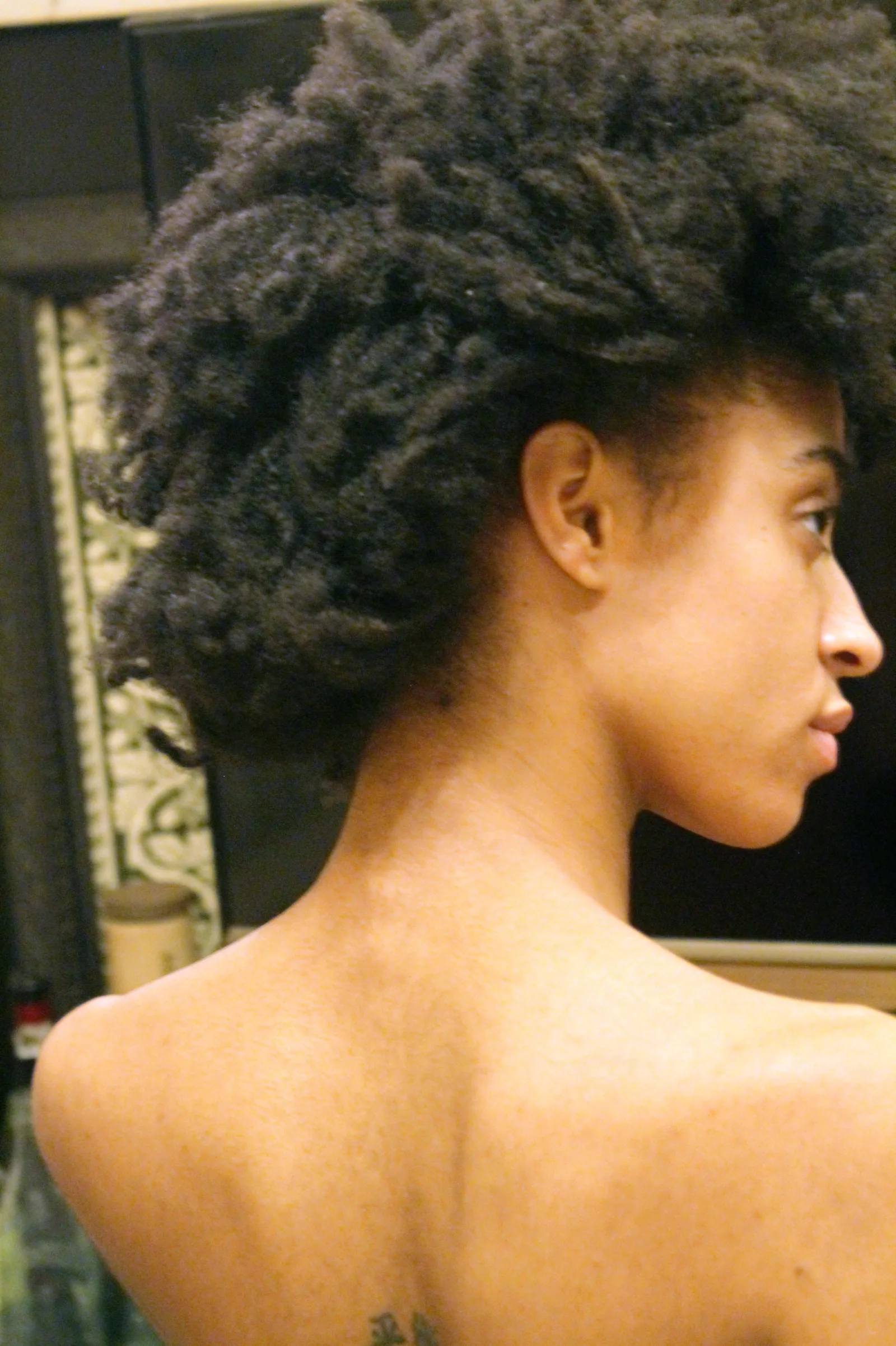
On September 11, 2026, Arizona Attorney General Kris Mayes announced a consumer fraud lawsuit against L’Oréal USA, its parent company, and Softsheen. The complaint claims that certain relaxers were sold without proper warnings, despite scientific studies linking their use to an increased risk of uterine and ovarian cancers. Arizona is the first U.S. state to initiate such a legal action.
L’Oréal disputes these allegations. The company stated that its products undergo rigorous safety evaluations and believes the claims lack sufficient scientific or legal basis. According to Reuters, over 12,000 similar lawsuits filed by users or their families are already consolidated in a federal court in Chicago.
The health debate is partly based on a study by the National Institutes of Health published in 2022. Among 33,497 women followed for nearly eleven years, those who reported using chemical straightening products more than four times a year had more than double the risk of uterine cancer compared to non-users. Researchers estimated that about 1.6% of women not using these products would develop this cancer before age 70, compared to approximately 4% among frequent users.
These findings indicate a statistical association but do not prove that a specific relaxer causes cancer. The study also did not collect data on the brands or exact ingredients of the products used. NIH researchers emphasized that these data warrant particular attention for Black women, who reported using straightening or relaxing products more frequently.
For regular use, the Food and Drug Administration recommends strictly following the instructions, wearing gloves during application, not leaving the product on longer than directed, and thoroughly rinsing the scalp. In cases of itching, burning, sores, hair loss, or other unusual reactions, the agency advises discontinuing use and consulting a healthcare professional.
The Arizona lawsuit seeks damages and penalties, as well as a court order requiring warnings if the products in question continue to be marketed. At this stage, no court ruling has established L’Oréal’s liability in this matter, and the first trials in the federal litigation could begin in 2027.



Comments
Comments load when you reach this section.