
Angola: IMF calls for accelerated budgetary consolidation and reforms
The International Monetary Fund (IMF) urged Angola on Wednesday, September 9, 2026, to expedite its budgetary consolidation, maintain a prudent monetary policy, and increase exchange rate flexibility. The institution believes these measures are essential to preserve macroeconomic stability and reduce the country’s vulnerability to oil-related shocks.

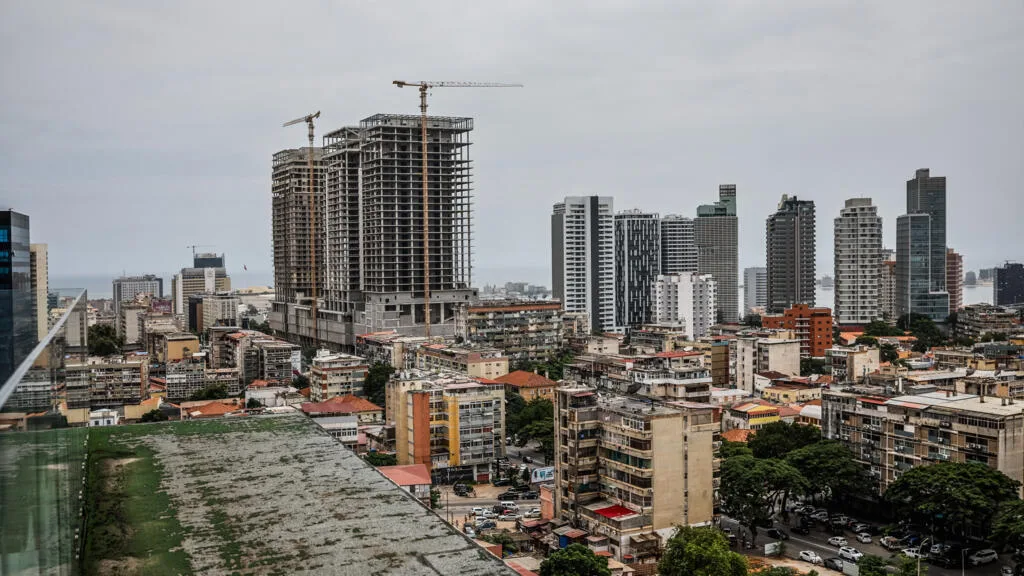
This recommendation follows a mission led by Mika Saito, whose team held discussions in Luanda and remotely from August 24 to September 9 as part of the Post-Financing Assessment. The 2026 report is set to be reviewed by the IMF’s board of directors in November.
According to the IMF, a favorable external environment has supported Angola’s external position, non-oil activity, access to markets, and a decline in inflation. However, this improvement has also slowed the pace of necessary macroeconomic adjustments and reforms aimed at reducing the country’s dependence on hydrocarbons.
The IMF assesses that the outlook remains exposed to several risks, including oil price volatility, tightening external financing conditions, and delays in public finance consolidation. The institution also calls for continued reforms in the business climate, governance, and investment to support economic diversification.
This warning comes as Angola seeks to deepen its financial markets. Luanda recently announced its intention to further open its domestic bond market to foreign investors to broaden its funding sources and reduce reliance on external currency borrowing.
An economy still heavily reliant on oil
During its annual consultation completed in May, the IMF had already highlighted the persistent fragility of the Angolan economy. The gross domestic product grew by 3.1% in 2025, but declining oil production weakened public and external accounts. The overall budget deficit reached 4.1% of GDP in 2025, according to data published by the institution.
The Fund also warned that the state’s financing needs are expected to increase and that public debt risks reaching the ceiling set by Angolan law on budget sustainability in the medium term. It then recommended using exceptional oil revenues to reduce debt and rebuild safety margins.
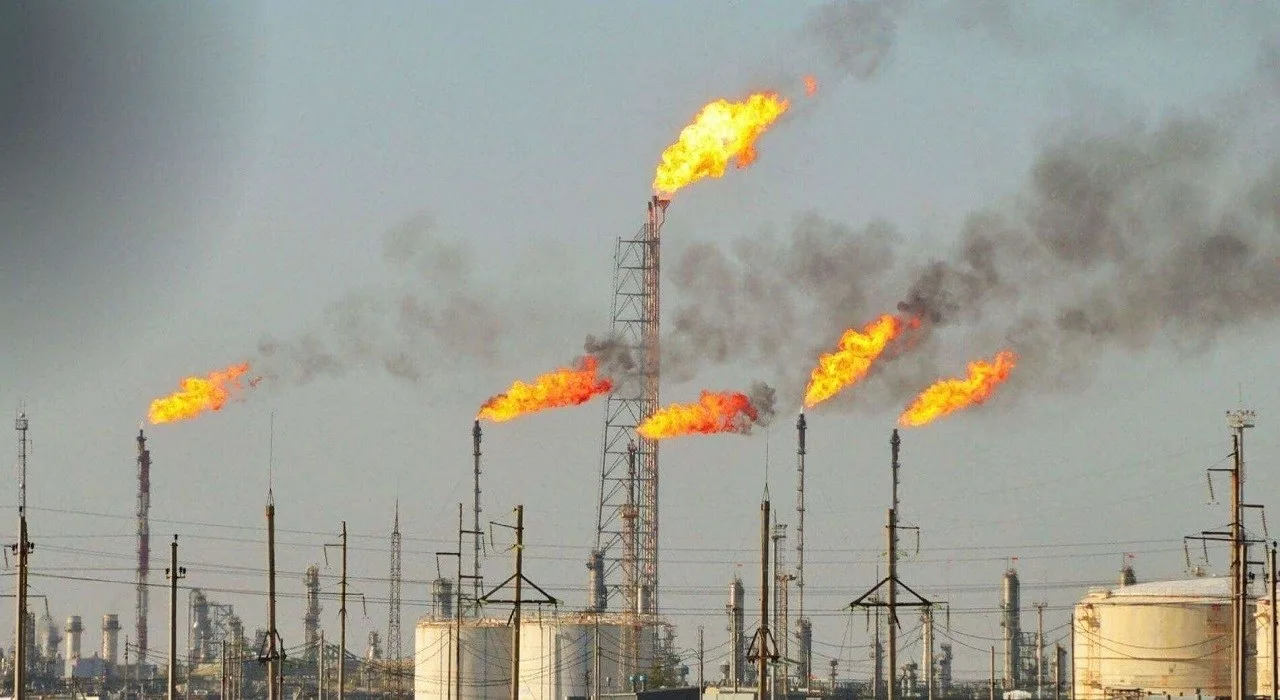
Dependence on hydrocarbons remains central to the equation. Angola continues to attract new investments in the sector while the government seeks to support non-oil activities. The country recently raised its oil production ambitions while pursuing diversification projects in infrastructure, finance, and industry.
IMF aims to preserve gains on inflation
In its latest annual assessment, the IMF noted a slowdown in inflation to 12.4% in March 2026, following several years of significant price pressures. The institution attributed part of this development to a restrictive monetary policy and recommended not to ease financial conditions too quickly.
The mission concluded on Wednesday that the consolidation of public finances, monetary discipline, and flexibility of the kwanza must progress in tandem with structural reforms. The IMF’s board of directors is expected to decide in November on the 2026 post-program assessment and the ongoing risks to the country’s economic trajectory.


Comments
Comments load when you reach this section.