
Nigeria: NUPRC threatens to revoke permits for gas flaring projects
The upstream oil regulator in Nigeria warned investors involved in gas flaring commercialization projects on Thursday, September 10, 2026, that they could lose their permits if progress is not made. The Nigerian Upstream Petroleum Regulatory Commission (NUPRC) aims to accelerate the implementation of the Nigerian Gas Flare Commercialisation Programme, which is intended to eliminate routine flaring by 2030.

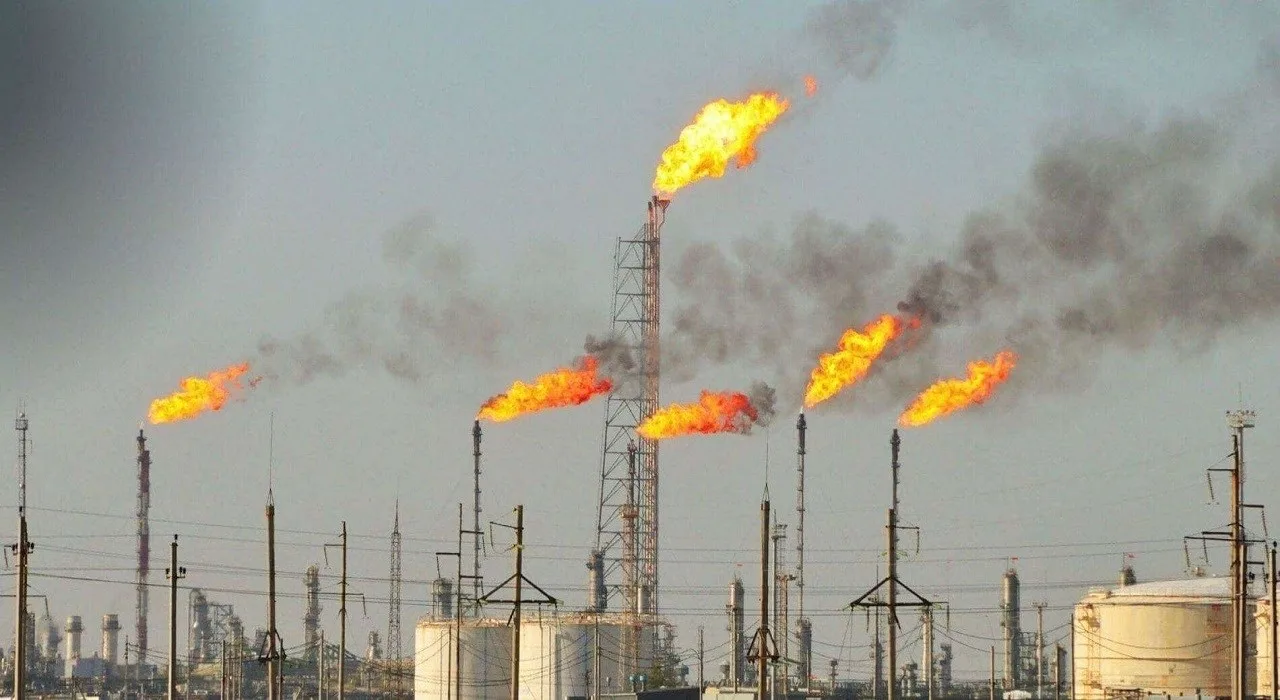
According to the Commission’s Director General, Oritsemeyiwa Eyesan, each allocation is subject to evaluation one year after it is granted. If a project has not made sufficient progress, the regulator may take measures that could include revoking the authorization, she stated during a meeting with the Minister of State for Petroleum Resources, Ekperikpe Ekpo.
The NUPRC reports that 27 of the 43 flaring sites identified under the programme have already been allocated to investors, and their development is underway. The initiative aims to capture the gas that is burned at oil production sites and convert it into a marketable resource, rather than allowing it to go to waste.
The official programme calls for a competitive allocation of gas volumes to operators capable of demonstrating their technical and commercial capabilities. Abuja hopes to reduce emissions associated with flaring while creating value through electricity production, industrial uses, and other gas outlets.
The announced tightening aligns with a regulatory stance already adopted by the NUPRC. During the allocation of oil and gas blocks in July, the Commission warned operators that they must develop the assets obtained or risk losing them, under the “drill or drop” principle outlined in the sector’s regulatory framework.
Nigeria has over 215,000 billion cubic feet of proven gas reserves, according to the NUPRC. Authorities present this resource as a lever for electricity production, industrialization, and the country’s energy transition.
Oritsemeyiwa Eyesan stated that the enhanced oversight is intended to prevent allocated sites from remaining inactive and to facilitate the conversion of permits into investments, jobs, and actual reductions in emissions.




Comments
Comments load when you reach this section.