
Albinism: Skin changes that warrant medical advice
A wound that refuses to heal, a spot that bleeds or forms crusts repeatedly, or a mark that changes appearance. Glamour South Africa highlights these signs on September 14, during South Africa’s awareness month for albinism. Their persistence or evolution justifies seeking medical advice.

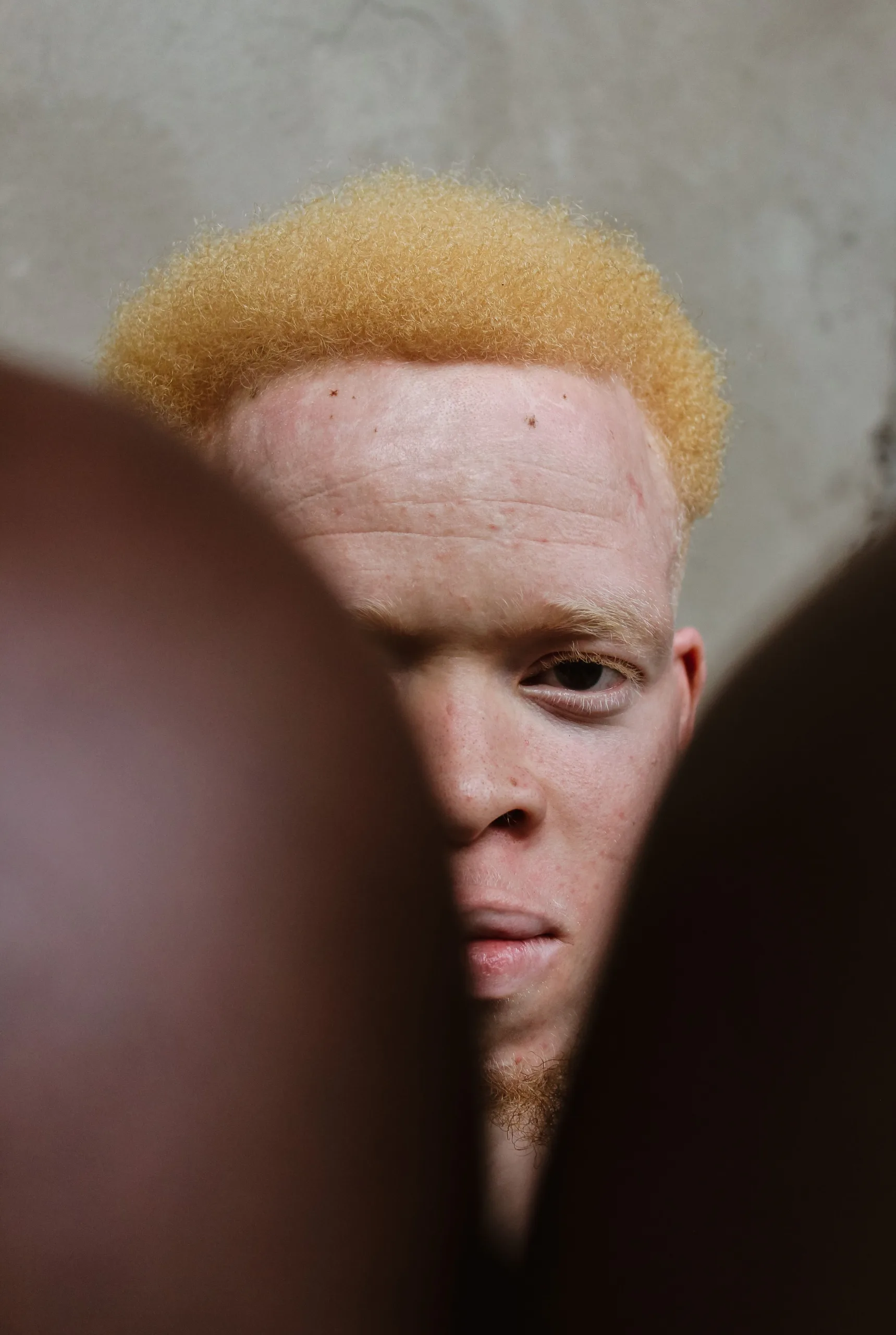
The risk is particularly monitored in sub-Saharan Africa. The International Agency for Research on Cancer’s albinism research program, affiliated with the WHO, emphasizes that low melanin levels reduce natural protection against ultraviolet rays. In the region, where sun exposure is high, the risk of skin cancer is increased among individuals living with albinism, although these cancers are often treatable when detected early.
Daily protection is therefore important even outside of beach days. The NHS recommends a high SPF sunscreen of at least SPF 30, along with shade, covering clothing, a hat, and sunglasses. The American Academy of Dermatology also advises using a broad-spectrum, water-resistant product with an SPF of 30 or higher on exposed areas, to be reapplied every two hours when outdoors.
Particular attention should be given to areas that are constantly exposed, including the face, ears, neck, scalp when hair is very short, forearms, and the tops of the hands. The Cancer Association of South Africa reminds that clothing protection complements sunscreen, and that sunscreen does not eliminate the need to seek shade.
Self-examination does not replace a professional assessment. A new lesion, a wound that does not heal, a spot that bleeds, forms crusts, or changes rapidly in appearance should be shown to a doctor or dermatologist. The NHS stresses that skin cancer is easier to treat when identified early.
For individuals living with albinism, prevention also includes regular skin examinations when accessible, especially after repeated sun exposure or in the case of an existing lesion. In South Africa, CANSA recommends regular monitoring and enhanced protection outdoors.

Comments
Comments load when you reach this section.