
The BRICS are looking to connect their payment systems and digital currencies.
The BRICS countries are exploring the possibility of connecting their national instant payment systems as well as their central bank digital currencies. Still in a preliminary stage, the project aims to accelerate cross-border transactions, reduce their costs, and further facilitate settlements in local currencies.

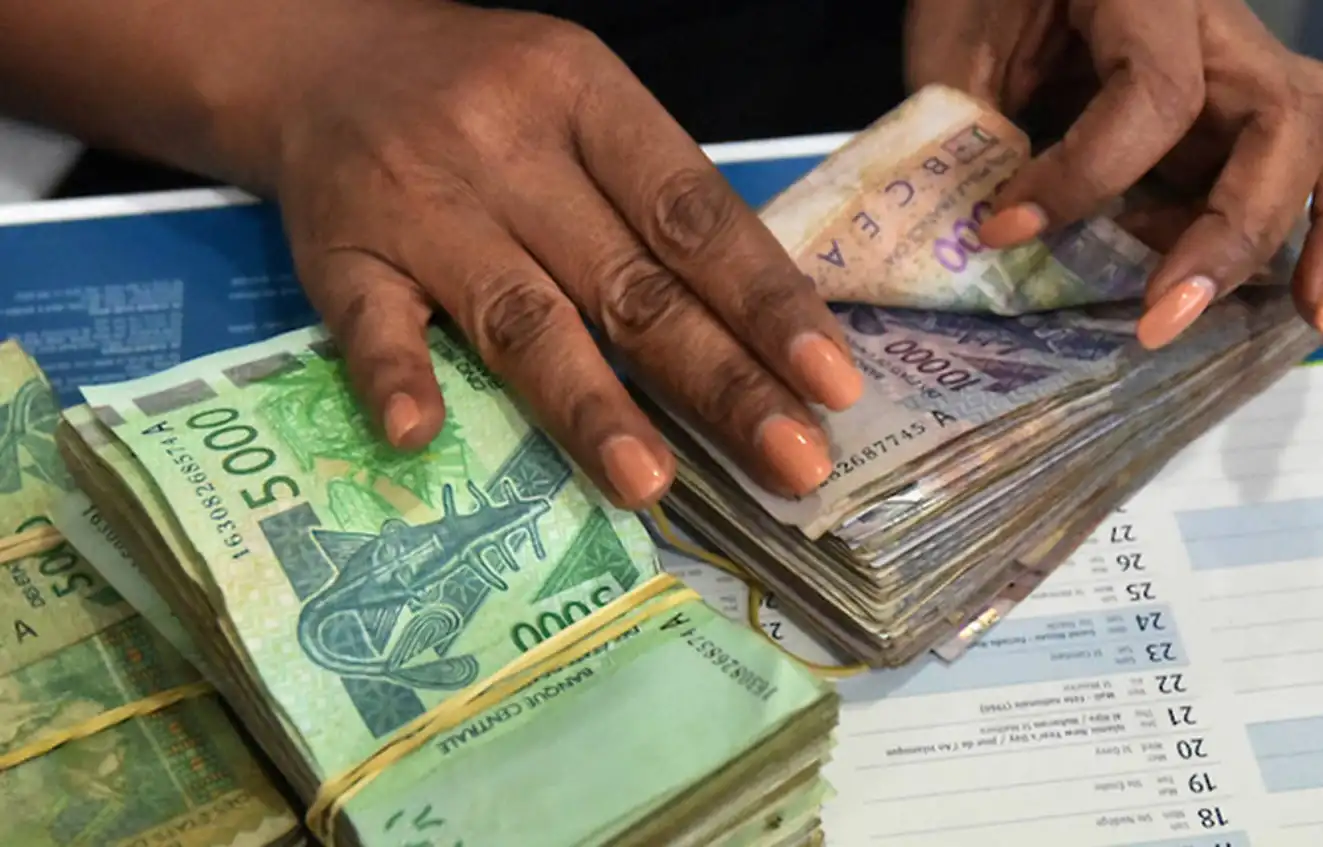
The BRICS are making progress on the issue of cross-border payments. The group members are now discussing the interconnection of their national payment infrastructures and, in the longer term, their centrally issued digital currencies.
The Governor of the Reserve Bank of India (RBI), Sanjay Malhotra, confirmed on Tuesday, August 11, 2026, that these two avenues are the subject of discussions among the bloc’s countries. India, which holds the BRICS presidency in 2026, had notably proposed earlier in the year to include the interoperability of central bank digital currencies in the work agenda.
The goal is not to immediately create a common BRICS currency. The work focuses more on the possibility of allowing existing infrastructures in each country to communicate with each other so that payments can be settled more directly from one market to another. Brazil had already specified during its presidency of the group that the creation of a common currency was not on the agenda, with priority given to reducing transaction costs and increasing the use of national currencies.
Faster and Cheaper Cross-Border Payments
The interconnection of instant payment systems could allow a user or a business to conduct a transaction to another member country without going through as many intermediaries as with traditional banking circuits.
Several members already have significant national infrastructures. India relies notably on its UPI instant payment system, while Brazil has developed Pix. The Brazilian central bank has indicated its desire to enhance Pix’s international interconnection to reduce costs, accelerate transactions, and improve the transparency of cross-border payments.
The second area of focus is on central bank digital currencies, or CBDCs. Unlike private cryptocurrencies, these instruments represent a digital form of the national currency issued and guaranteed by a central bank.
Several major BRICS economies are already experimenting with or developing such solutions. An interconnection could eventually allow certain transactions to be settled directly between national digital currencies, subject to the establishment of common technical, regulatory, and legal standards.
For the BRICS, this approach fits into a broader strategy of developing payments in local currencies. It could limit the systematic reliance on an intermediate currency for certain transactions among members, without completely eliminating the dollar from international trade.
However, discussions are still at an early stage. The interconnection of national systems requires addressing several issues related to cybersecurity, data protection, exchange rules, anti-money laundering, and the technical compatibility of different infrastructures.
The project must also contend with significant differences among BRICS members regarding financial regulation, capital controls, and the maturity of digital currencies.
Nevertheless, the chosen direction shows that the group currently favors cooperation between existing financial infrastructures rather than the creation of a common currency. Such an approach would allow each central bank to retain control over its currency while facilitating settlements between member economies.



Comments
Comments load when you reach this section.