
Skin Barrier 2.0: the 2026 beauty trend that prefers repairing over exfoliating
The “Skin Barrier 2.0” trend is establishing itself among the most followed beauty movements of autumn 2026. After several years dominated by exfoliants, layered facial serums, and very long routines, the focus is shifting towards a simpler idea: preserving the skin barrier before seeking to multiply active ingredients.

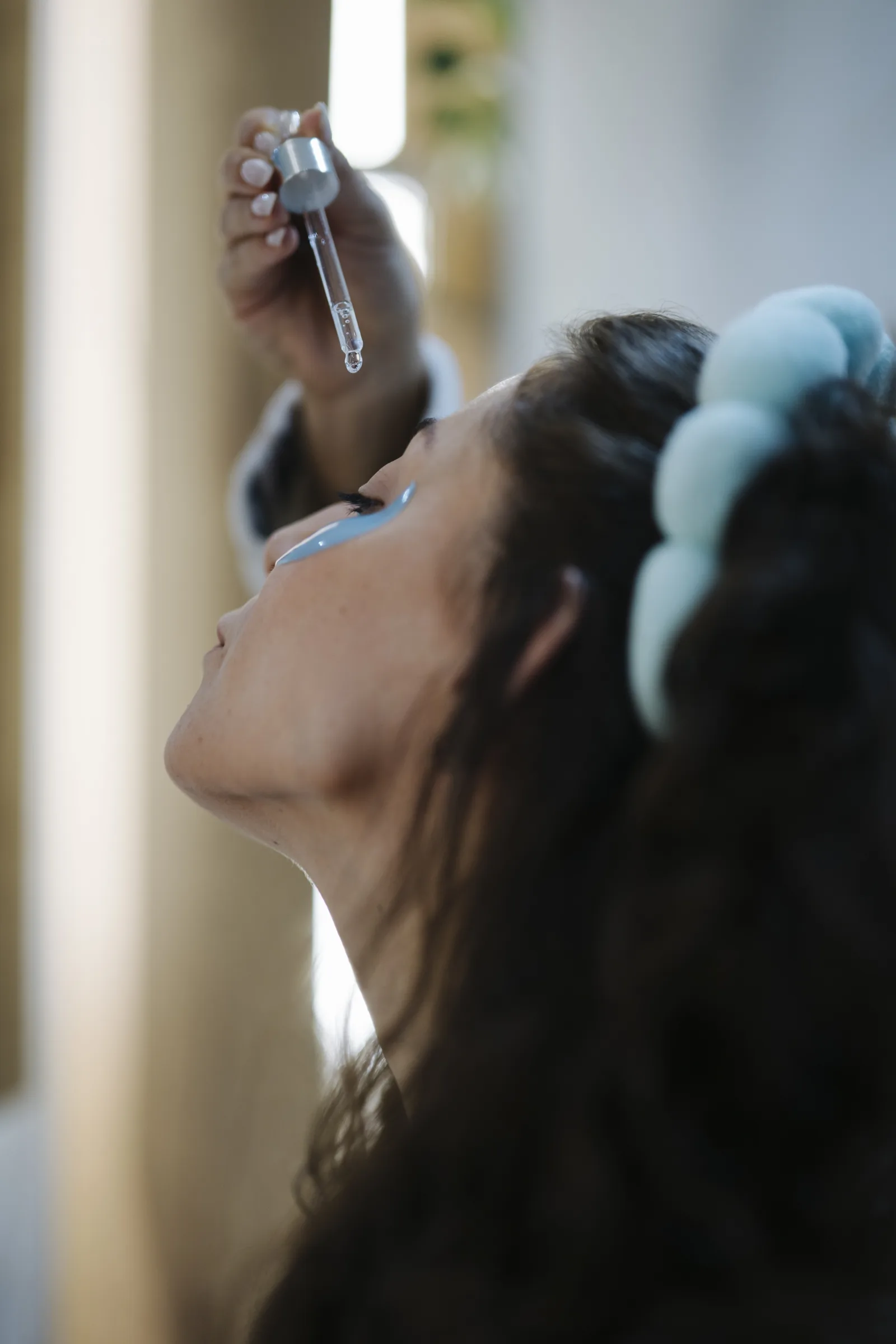
The LOOKFANTASTIC Fall-Winter 2026 trends report, published on September 1 and informed notably by data from TikTok and Reddit, places skin barrier repair among the skincare concerns gaining the most ground. The term “Skin Barrier 2.0” sums up this shift from a one-time repair approach to a routine designed to limit daily irritation.
The skin barrier corresponds to the outermost layer of the skin. It helps retain water and protect the skin from external aggressions. When it is weakened, the skin can become drier, tight, tingle, or react more easily to products. This does not mean that a “barrier” product is necessarily a treatment: persistent, painful irritation or irritation associated with a skin condition warrants the advice of a healthcare professional.
The recommendations of the American Academy of Dermatology align with this minimalist trend: favor a gentle cleanser, moisturize regularly, and protect the skin from the sun. The organization also warns against the accumulation of exfoliating or irritating products, especially when several similar active ingredients are used in the same routine.
Fewer products, but a more consistent routine
The principle of Skin Barrier 2.0 is therefore not to buy a new collection of skincare products. A short routine can suffice: a gentle cleansing, a moisturizer suited to the skin type — an approach that contrasts with the more seasonal selections of beauty products and hydrating serums and, in the morning, a broad-spectrum sunscreen of at least SPF 30. The American Academy of Dermatology specifically recommends applying moisturizer to skin that is still slightly damp to help retain water.
Ingredients often associated with barrier care, such as ceramides, glycerin, or hyaluronic acid, can contribute to hydration depending on the formulation and skin type. Ceramides are lipids naturally present in the stratum corneum and play a role in limiting water loss. However, the presence of an ingredient name on a label alone does not guarantee that a product will be suitable for everyone.
The trap of over-exfoliation
The trend also responds to fatigue with very busy routines. Exfoliating masks, acids, retinol, and scrubs can be useful in certain cases, but multiplying them without logic can cause dryness and irritation. In a fact sheet updated in March 2026, the American Academy of Dermatology advises, for example, to avoid combining a mask containing active ingredients already present in the routine, particularly acids or retinol, in order to reduce the risk of irritation.
The proper approach also involves introducing new products gradually. For a product that has never been used before, dermatologists from the AAD recommend testing it on a small area twice a day for seven to ten days before applying it more broadly. If redness, itching, swelling, or burning occurs, the product should be rinsed off and discontinued.
A trend to adapt to the climate and to one’s skin
In a hot or humid climate like in Benin, a “barrier” routine does not necessarily mean choosing the richest textures. Oily or combination skin may prefer a light, non-comedogenic hydration, while dry skin may seek a more enveloping texture. The goal remains the same: to choose products that are tolerated by one’s skin rather than copying a viral routine.
Skin Barrier 2.0 thus marks a shift in priority: performance is no longer measured by the number of steps. The trend primarily values consistency, gentleness, and protection, with a simple rule: when the skin begins to burn, peel, or feel tight after the addition of new active ingredients, adding another product is not necessarily the best response.



Comments
Comments load when you reach this section.