
Pro-Wadagni unions: Anselme Amoussou sternly rebukes the critics
In Benin, the controversy has been mounting since five major trade union centers and confederations decided to back Romuald Wadagni. For some commentators, this stance would be a betrayal of the spirit of the trade union movement. A reading that Anselme Amoussou, Secretary General of CSA Bénin, firmly disputes.


According to Anselme Amoussou, what harms unionism isn’t public engagement in political debate, but the attempt to lock it into a façade of neutrality. A neutrality comfortable for observers, but perfectly sterile for workers.
Trade unionism, he reminds, is not practiced from platforms of belated indignation. It is built over time, at the cost of difficult compromises and assumed responsibilities. It is always easier to denounce after the fact when one leads nothing and negotiates nothing. Governing a representative organization, on the contrary, requires reading a context, choosing an imperfect option among other imperfect ones, then answering for it before its base.
In his view, that is the whole difference between commentary and action. Anselme Amoussou also dismisses the argument of personal calculation. Trade union leaders, he recalls, have no need for public statements to settle any individual interests with the government in Benin. A public stance, on the contrary, commits, exposes, and obliges. It places organizations face to face with their responsibilities and makes them accountable to the workers, he emphasized.
In reality, this collective decision is the exact opposite of the discreet arrangements that some now denounce with a morality of variable geometry. It stems from an assumed political choice, made openly, in a given context, and not from a hidden individual maneuver.
The debate therefore deserves better than reflexive indignation, he stresses. It calls for a more honest question: do we prefer a trade unionism frozen in a neutral and sterile posture, or a trade unionism that takes risks, makes choices, and assumes the consequences before those it represents?
It is to this question, and not to a superficial controversy, that everyone should respond, he insists.
Related Articles
 End of evaluation of the first general election in Benin: the CENA looks ahead to the future
 2026 General Elections in Benin: the CENA gathers electoral process stakeholders in Parakou for a national evaluation workshop.
 Seven-year term 2026-2033: GERDDES Africa invites Wadagni to work for the welfare of all
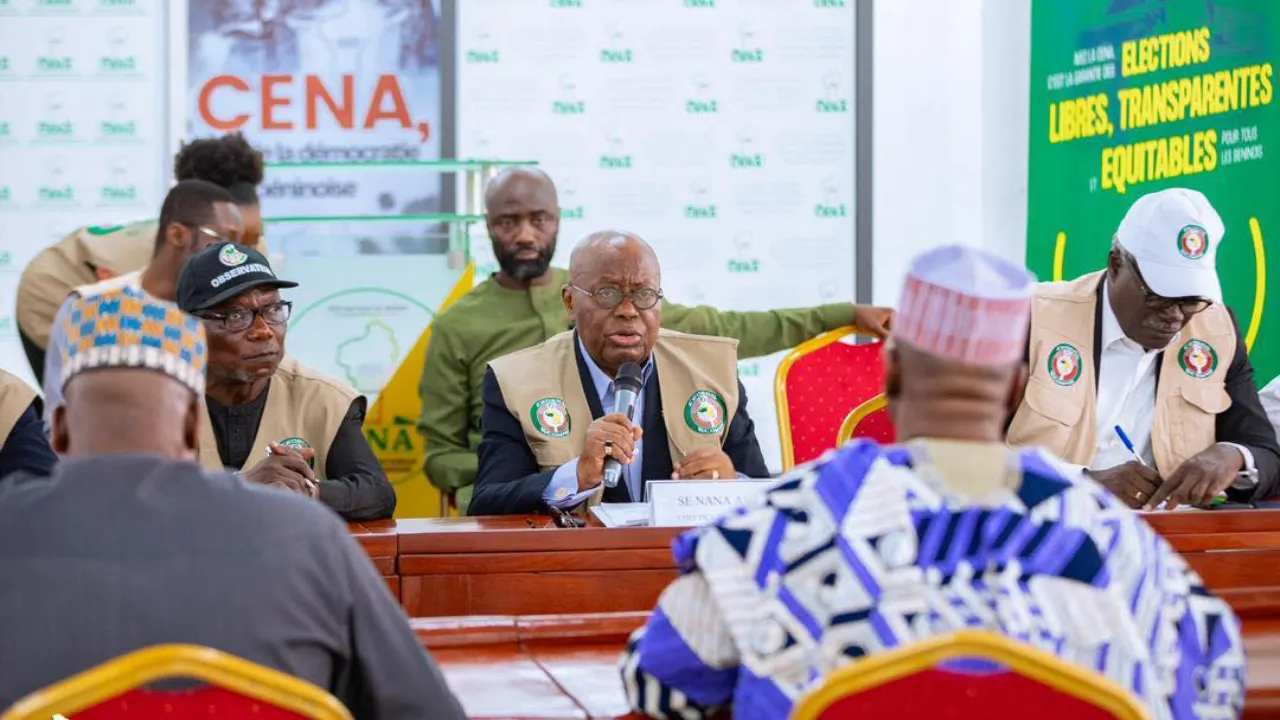 2026 Benin presidential election: ECOWAS observation mission holds talks with CENA
Comments
Comments load when you reach this section.