
Controversy, pressure… MANSSAH 2025 postponed indefinitely
Originally scheduled for 26 to 28 June 2025 in Lomé, the MANSSAH conference will ultimately not take place on the announced date. In an official statement published on 17 June, the movement’s co-founders announced its postponement to a later date, citing a decision made «with gravity» in order to preserve the integrity of the initiative.

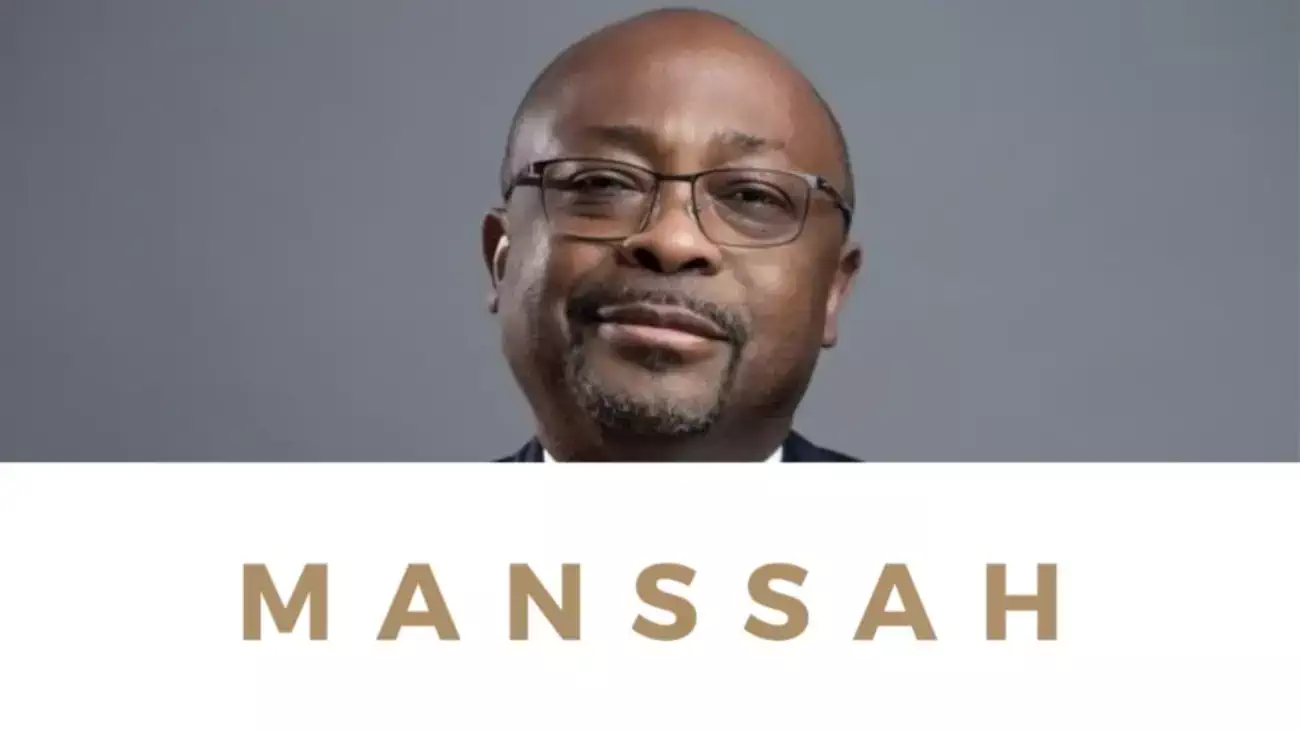
Conceived as a moment of remembrance and transformation, 140 years after the Berlin Conference, MANSSAH aimed to bring together more than 10,000 Africans and people of African descent, both on site in Lomé and online. The event was intended as a platform for unity, dialogue and action to build a shared future for Africa.
But according to the organisers, «deliberate attempts to distort the spirit of our initiative» and attacks from «marginal but vocal voices» led them to postpone the conference. They denounce a political instrumentalisation of a project that aims to be independent, unifying and inclusive.
«What some are so intent on tarnishing is a vision that transcends divisions, borders and egos», the statement reads.
Despite this setback, the organisers remain firmly optimistic. They point out that MANSSAH is not a one-off event but a deep-rooted movement driven by an independent think tank, bringing together African voices from the continent and the diaspora.
The postponement is described as a «surge of resolve» rather than a renunciation. It is presented as an opportunity to consolidate unity around MANSSAH’s vision, at a time when the continent is too often fractured by division.
«MANSSAH is not an event, it’s a movement», the founders conclude, affirming that Africa deserves better than its current divisions.
Controversy surrounding the MANSSAH 2025 conference
The MANSSAH 2025 conference, spearheaded by journalist Alain Foka, sparked intense controversy, both on the continent and within the African diaspora. At the root of these tensions are several factors linked to the political context surrounding the event, the composition of its speakers, and questions over its genuine independence.
The choice of Lomé as host city was widely criticised. For many, holding the conference in the Togolese capital, combined with the announced participation of figures close to Faure Gnassingbé’s regime, is seen as implicit backing for a government often accused of authoritarian drift. This apparent proximity has cast doubt on MANSSAH’s neutrality, at odds with its rhetoric of unity and independence.
Added to this is the composition of the announced panels, seen by some observers as unbalanced. Several critics felt that the selected speakers gave too little room to dissenting voices, particularly those from the opposition or engaged civil society. This impression of a closed circle reinforced the idea that the conference lacked real plurality of thought, something essential to an open and inclusive pan-African debate.
Grey areas have also been noted regarding the initiative’s concrete objectives. While the project displayed grand ambitions, such as reshaping the African narrative or mobilising the continent’s intellectual talent, many internet users and potential participants voiced scepticism at the absence of a clear roadmap or concrete proposals. The organisers’ message, while mobilising, was at times deemed too vague to generate mass support.
Finally, suspicions of a personal or political agenda emerged around the figure of Alain Foka. Some saw the conference as a communications operation aimed at boosting his media profile or preparing a form of repositioning within the continent’s circles of influence. The event’s heavy media exposure and the presence of controversial figures only fuelled these speculations.
Manssah, a new vision for Africa
Founded in 2023, MANSSAH is an ambitious pan-African initiative driven by a collective of leaders, thinkers, artists, entrepreneurs and members of the African diaspora. MANSSAH aims to be a space for reflection, action and transformation, both for Africa and by Africa.
At the heart of the approach is a determination to rethink the continent’s political, economic, cultural and symbolic foundations, in order to spark a new, inclusive and sustainable momentum. Through its actions, MANSSAH seeks to unite African minds around a shared ideal, to move beyond traditional divisions, and to rebuild a collective imagination that breaks with the inherited narratives of past domination.
One of this movement’s founding acts was the conference planned for Lomé in June 2025, symbolically organised 140 years after the Berlin Conference. This event, which was to bring together more than 10,000 participants from the continent and the diaspora, aimed to lay the groundwork for a new form of African governance founded on unity, sovereignty and innovation. But beyond the one-off event, a lasting structure has emerged, with the creation of «MANSSAH Clubs» in several countries, the establishment of citizen workshops, masterclasses, and mechanisms to track commitments.
MANSSAH positions itself as a genuine African think tank, independent of any state or partisan power. Its approach is based on collective intelligence, the transmission of knowledge and the direct involvement of populations in strategic thinking. By drawing on new technologies and an openness to the world, the movement also intends to make the African voice heard in global debates.
Comments
Comments load when you reach this section.