
Oil: OPEC+ approves a final production increase before a pause in complex negotiations.
Seven OPEC+ members have decided to increase their production targets by 188,000 barrels per day starting September 2026. This new hike aims to complete the gradual phasing out of a voluntary reduction of 1.65 million barrels per day that was initiated in 2023. However, the alliance has not yet finalized its policy for the last quarter, as discussions about future quotas are expected to be sensitive.

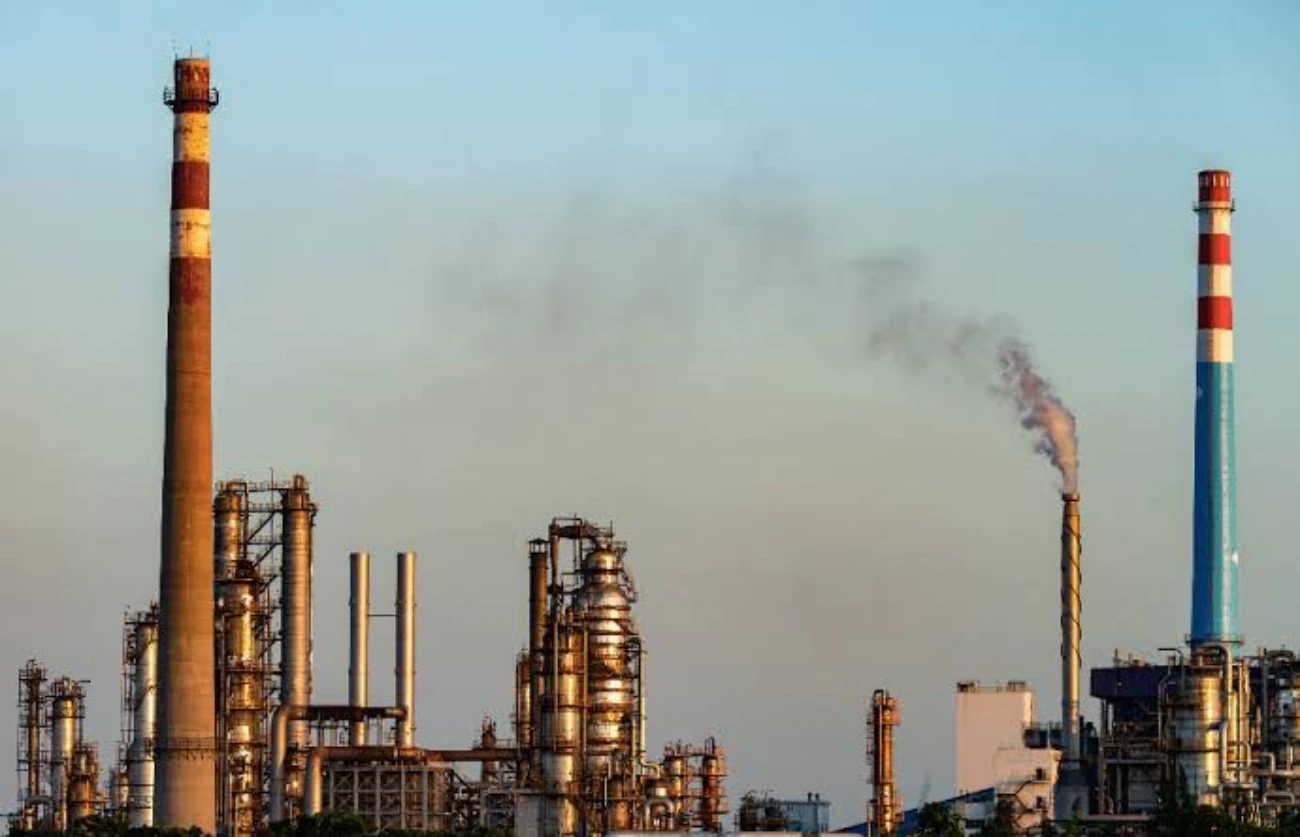
OPEC+ continues to gradually restore its oil supply. Meeting virtually on Sunday, August 2, 2026, seven member countries of the alliance agreed to raise their production targets by 188,000 barrels per day starting in September.
This decision involves Saudi Arabia, Russia, Iraq, Kuwait, Kazakhstan, Algeria, and Oman. These producers have been implementing additional voluntary reductions since 2023, separate from the collective quotas of the entire OPEC+.
This increase marks the sixth consecutive monthly hike decided by the concerned countries. It concludes the process of withdrawing from a voluntary reduction of 1.65 million barrels per day, which began to be gradually restored in April 2026.
Another production cut of about two million barrels per day remains in effect until the end of 2026. Therefore, the announced increase does not mean that the alliance is abandoning all the restrictions used to support the oil market.
No definitive decision for the last quarter
OPEC+ has not yet communicated a production program for October, November, and December. Several analysts anticipate a pause following the September increase, but the alliance retains the option to increase, suspend, or reduce its volumes again based on market developments.
During its previous meetings, the group emphasized the need to maintain a cautious and flexible approach. The participating countries also committed to compensating for volumes produced beyond their targets since January 2024.
The next meeting of the seven producers is scheduled for September 6. It will notably determine whether a new increase will be implemented in October or if the quota adjustment cycle will be interrupted.
The discussions take place in an environment marked by strong geopolitical uncertainties. Disruptions affecting certain infrastructures and export routes limit the amount of oil actually available on the market, even when official quotas are raised.
Tensions in the Middle East and attacks on energy infrastructure have particularly increased supply risks. Transportation difficulties in the Persian Gulf and the Red Sea also continue to weigh on insurance and freight costs.
Under these conditions, an increase in production targets doesn’t automatically translate into a corresponding rise in exports. Some members have sufficient capacity to quickly boost their supply, while others face technical, security, or financial constraints.
The review of 2027 quotas is expected to be sensitive
Beyond monthly decisions, OPEC+ is preparing the allocation of its quotas for 2027. The alliance is currently examining the maximum production capacities of its various members to determine new benchmarks.
This evaluation is politically sensitive. A country with an increasing recognized capacity may demand a higher quota and produce more without being considered over the limit. Conversely, a lower estimate may permanently limit its export possibilities.
Several producers wish to secure targets that better correspond to the investments made in their infrastructures. Iraq is notably among the countries seeking to advocate for a larger allocation.
The gaps between official quotas and actual production volumes already constitute a recurrent source of tension. Some states regularly exceed their commitments, while others fail to reach their targets due to insufficient capacity or disruptions affecting their industry.
After the expected increase in September, the challenge for OPEC+ will be twofold: to adjust its supply to market conditions while preserving a compromise among producers with divergent capacities and economic interests.
Related Articles
 Washington challenges Gabon’s ban on imported chicken, Libreville seeks a resolution
 Connected Meters: ARMP Orders Reinstatement of General Invasion
 Ahead of Trump-Xi meeting, Washington and Beijing put AI and rare earths on the agenda
 Benin: 2,125 billion FCFA committed, budget execution reaches 51.2% by the end of June 2026
Comments
Comments load when you reach this section.