
Nigeria: ₦15,500 billion in investments stalled by previous budgets
In Nigeria, approximately ₦15,500 billion earmarked for new investments in 2026 has yet to be disbursed, as the fiscal year enters its final quarter. A Budget Office official quoted by Vanguard anticipates yet another delay.

The federal budget, enacted on April 17, amounts to ₦68,320 billion, with ₦32,200 billion allocated for investment expenditures. According to data compiled by Vanguard, around ₦16,800 billion of this total still corresponds to commitments carried over from 2024 and 2025, leaving nearly ₦15,500 billion for new projects in 2026.
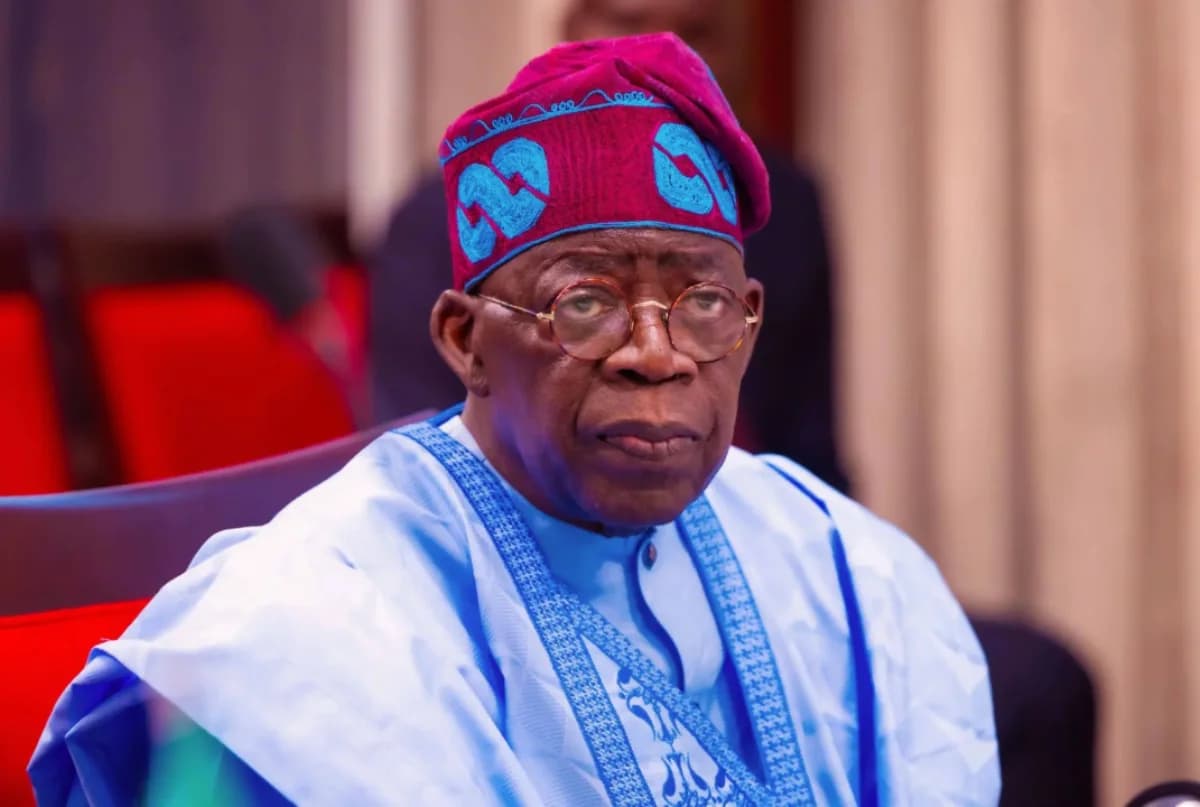
This overlap was supposed to be resolved this year. In December 2025, Bola Tinubu promised that all prior investment obligations would be funded and settled by March 31, ahead of a return to a single budget starting in April. The Parliament subsequently extended the investment component of the 2025 budget once again until September 30.
The delay is not solely based on Vanguard’s calculations. The Centre for Social Justice stated on September 9 that no funds had yet been released for the 2026 federal investment budget, and that most ministries and agencies had received less than half of the resources needed to settle the postponed projects from 2025.
Tensions are already evident in several ministries. In February, Health Minister Muhammad Ali Pate indicated that his department had received only ₦36 million of the ₦218 billion allocated for 2025 investments. Vanguard also reports that, for eight ministries reviewed during budget hearings, the recorded disbursements amounted to ₦9.13 billion out of ₦1,218 billion budgeted.
The promise of a single budget is hindered by old commitments.
The issue extends beyond mere administrative delays. As long as projects from previous fiscal years consume available cash flow, the state must choose between completing existing commitments and initiating new projects. In the 2026 budget, the ₦16,800 billion inherited from prior years represents just over half of the investment envelope cited by Vanguard.
This situation diminishes the economic significance of the ₦32,200 billion figure presented in the finance law. On paper, investment accounts for nearly half of federal expenditures. In practice, a significant portion of this envelope is first used to settle old obligations, while new projects await disbursements.
This problem is not new. During the presentation of the 2026 budget, Tinubu acknowledged that only ₦3,100 billion, or 17.7% of the 2025 investment budget, had been released by the end of the third quarter of that year. The reform announced for 2026 was specifically intended to prevent this discrepancy from recurring.
However, the 2025 investment component has already received three successive extensions, first until March 31, 2026, then to June 30, and finally to September 30. Each extension legally keeps the old credits alive but also delays the point at which administrations can focus their procedures and cash flow on new projects.
The 2026 budget also allocates ₦15,800 billion for debt servicing. These payments adhere to contractual deadlines, while investments can be postponed through the budgetary process, further exposing capital expenditures when available cash flow is insufficient to cover all commitments simultaneously.
New projects become the variable in cash flow adjustments.
Delays directly impact infrastructure and programs that rely on initial public funding. The case of the Health Ministry illustrates that low disbursement can also block external funding when the state must provide a counterparty before mobilizing funds from a partner.
The government had presented the 2026 budget as a tool for economic recovery through investment. The Ministry of Finance explained in February that “investment budgeting” was intended to accelerate infrastructure, support growth, and transform the budget into an economic execution tool rather than just an accounting document.
The gap between this ambition and actual disbursements is therefore central. If the new investment component remains unfunded until the end of the year, the 2026 projects will also enter the backlog of commitments to be postponed, incurring additional costs related to delays, price revisions, and procurement timelines.
The current extension law allows ministries and agencies until September 30, 2026, to complete the execution of the investment component of the 2025 budget. By that date, the government must either settle the remaining commitments or extend their duration again, while the new credits for 2026 still await implementation.
Comments
Comments load when you reach this section.