
Nigeria: the kickoff of the presidential campaign for January 2027 against a backdrop of insecurity and high cost of living.
The campaign for the presidential election and the renewal of the 360 seats in the House of Representatives begins this Wednesday, August 19, in Nigeria, almost five months before the election scheduled for January 16, 2027. Nineteen candidates, including three women, are vying for the presidency, while Bola Ahmed Tinubu defends his reform record against an opposition hoping to avoid a split vote.

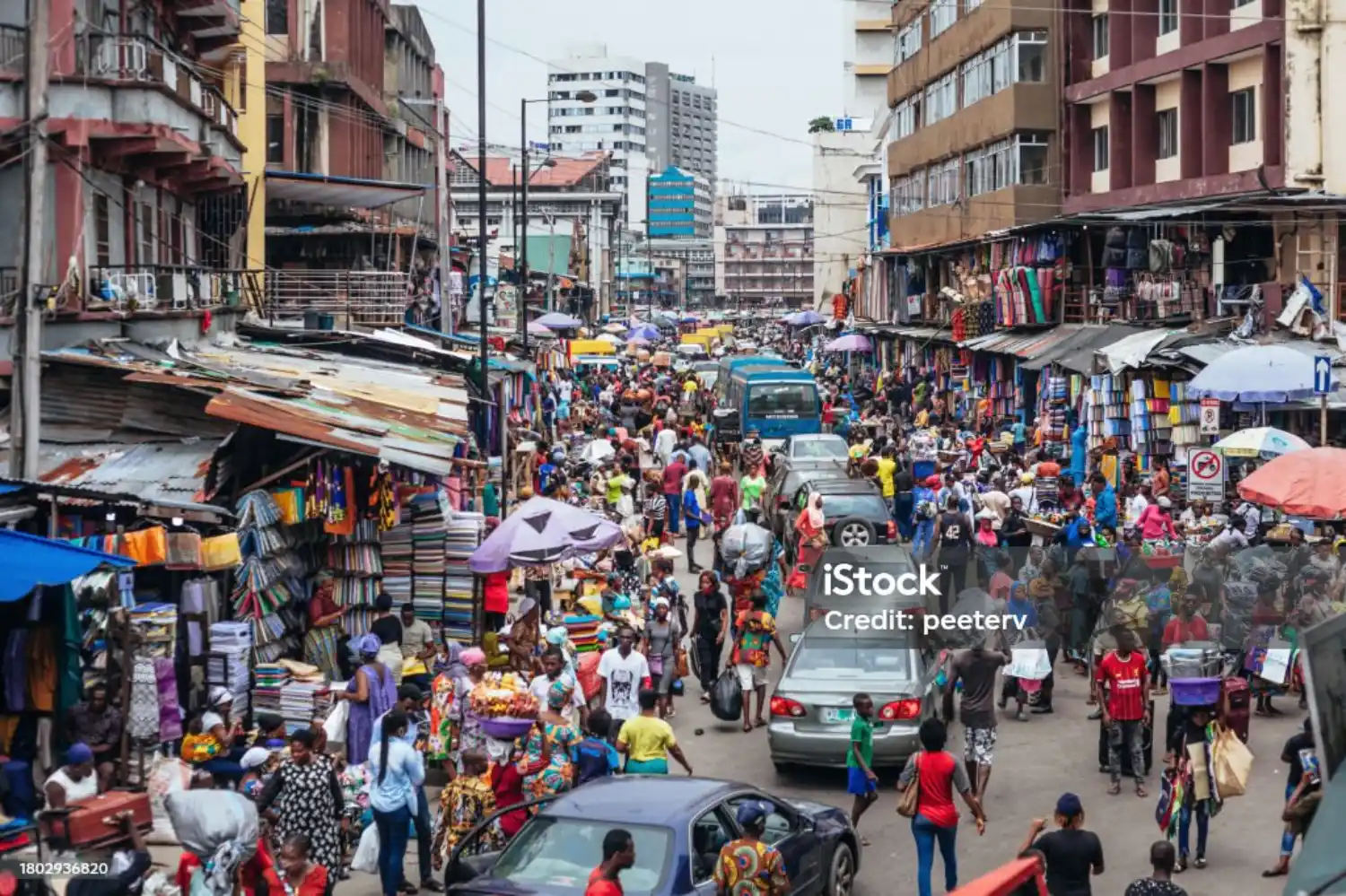
More than 100 million voters are called to vote in a country of nearly 900,000 square kilometers. To be elected in the first round, a candidate must obtain the majority of the votes cast as well as at least 25% of the votes in 24 of the 36 states of the federation.
The campaign is expected to focus primarily on two concerns: the cost of living and insecurity. According to a survey by the firm SBM Intelligence, nearly 34% of Nigerians say they are very concerned about both their economic situation and their security.
Bola Tinubu’s Reforms in Response to the Cost of Living
The All Progressives Congress (APC), the party of the outgoing president, aims to defend the measures adopted since Bola Tinubu took office. The removal of subsidies on fuels and electricity, tax reform, and the change in the exchange regime, which has led to a sharp depreciation of the naira, are presented by the party as tough but necessary decisions.
The Nigerian economy grew by 4% in 2025, while inflation has dropped to 15.43%, down from 33% in 2024. However, these indicators remain difficult to perceive in the daily life of a large part of the population, which is facing the persistent rise in food prices and essential services.
The cost of a family meal illustrates this pressure. Preparing jollof rice for five people now costs about 18 euros, up from 15 euros a year earlier, while the minimum monthly wage is no more than 44 euros.
Faced with the outgoing president, the opposition is trying to turn its electoral potential into concrete mobilization. The African Democratic Congress (ADC), led by Atiku Abubakar, who came in second in the 2023 election, is notably conducting membership campaigns to strengthen its grassroots presence.
Peter Obi, who finished third in 2023 and is now the candidate of the Nigeria Democratic Congress (NDC), is seeking to broaden his audience beyond the southeast, his main stronghold. His alliance with Rabiu Musa Kwankwaso, a political figure from the north of the country, aims to help strengthen this national strategy.
Another opposition structure, the G-100 coalition, continues to advocate for a single candidacy against Bola Tinubu. A summit scheduled for August 31 aims to push this option forward, following the fragmentation of the opposition’s votes in the previous election.
Insecurity Also Threatens the Electoral Campaign
The security situation is another major issue for the election. Armed groups described as “bandits” operate in several states, while jihadists continue their attacks in the north of the country.
In Plateau State, in central Nigeria, at least 24 people were killed on the night of Monday to Tuesday by armed men with rifles and machetes. This region regularly experiences clashes between predominantly Muslim Fulani herders and sedentary farmers, many of whom are Christian. The tensions are primarily over access to land and resources.
The government is also combating a jihadist insurrection on multiple fronts in the north. The United States has intervened twice on Nigerian territory, according to statements from Washington, as part of anti-terrorism efforts. The U.S. administration also mentions persecutions targeting Christians, an analysis contested by several researchers.
The southwest, long less exposed to violence than the north and center, has also been affected by a mass kidnapping attributed to terrorists by the military. This geographical extension of insecurity could complicate the campaign, limiting the organization of rallies in certain areas and deterring voters from going to the polls.
The election on January 16, 2027, will thus revolve around both the incumbent’s ability to get its reforms accepted and the candidates’ ability to address concerns related to inflation, employment, and security.


Comments
Comments load when you reach this section.