
Mali: mines generate nearly 1,000 billion FCFA in revenue for the state.
Extractive revenues in Mali reached a record level in 2024, with 978.29 billion FCFA paid into the state budget, accounting for over 40% of public revenues. Driven by gold, this performance reflects Bamako’s desire to capture a larger share of mining value, even though gold production remains exposed to tensions with operators and insecurity.

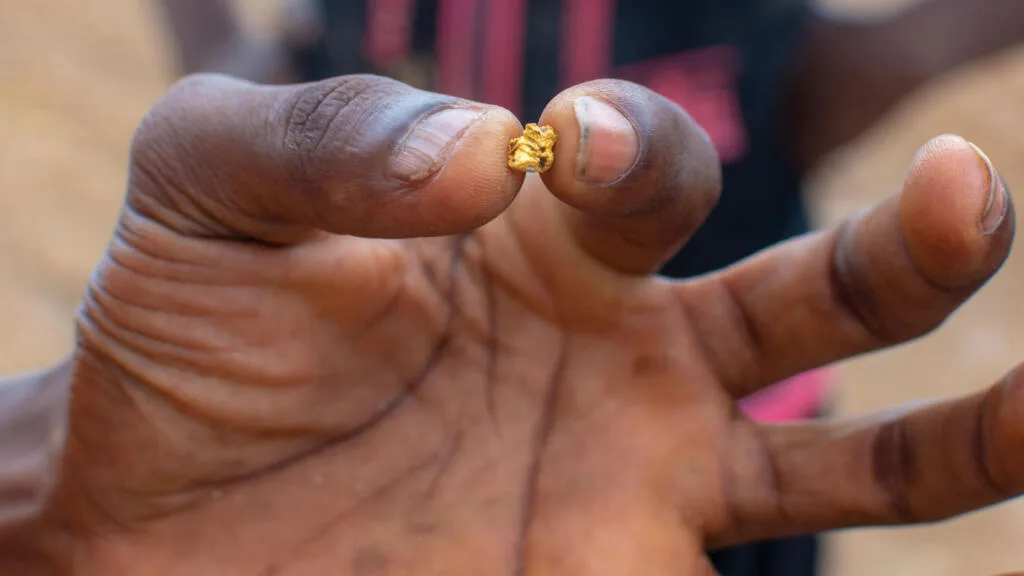
Revenues from the extractive sector for the Malian state budget reached 978.29 billion CFA francs in 2024, equivalent to about 1.728 billion dollars or 1.49 billion euros, representing 40.93% of public revenues for the year, an unprecedented level, according to a report by the Extractive Industries Transparency Initiative (EITI) published in March 2026. Gold remains the pillar of this windfall.
This record proportion compares to 27.81% in 2023 and 34.8% in 2022. In 2024, exports from the sector accounted for 78.8% of Mali’s total sales abroad, with gold remaining by far the country’s top export product. The entry into production of two lithium mines, Goulamina, operated by the Chinese Ganfeng Lithium since December 2024, and Bougouni, operated by the British Kodal Minerals since February 2025, positions the country among Africa’s leading producers of this metal, but their budgetary contribution remains marginal compared to gold.
The record of 2024 primarily results from a strategy to increase the share of mining value going to the state. The mining code adopted in 2023 raised public participation in projects from 20% to 35%, with 5% reserved for local investors. Following an audit of the sector, the government renegotiated contracts with several operators. The EITI accounted for 331.64 billion CFA francs, approximately 506 million euros, collected from these renegotiations, an amount lower than the 500 billion, nearly 762 million euros, mentioned by the Minister of Economy and Finance, Alousséni Sanou.
The rise in prices amplified these gains. Gold recorded 53 records in 2025, finishing the year with an average annual price of 3,431 dollars per ounce, an increase of 44% year-on-year, according to the World Gold Council. Final EITI data for 2025 is not yet available, but producers operating in Mali reportedly paid 888.5 billion CFA francs, about 1.35 billion euros, over the year, revenues up 6.4% despite a decline in production.
Mali’s industrial gold production fell by 22.9% in 2025, to 42.2 tons from 54.8 tons in 2024. This decline is due to a prolonged dispute between the Malian state and Barrick Mining over the implementation of the new mining code, which led to the suspension of activities at the Loulo-Gounkoto complex, previously the largest gold site in the country. A compromise was eventually found, allowing production to resume at the end of 2025.
A Recovery Expected in 2026
Mali enters 2026 with more favorable signals, both in production and on the markets. In the first quarter, the mine operated by Barrick produced 80,000 ounces, with an annual target exceeding 360,000 ounces. According to the World Bank, gold prices increased by 17% in the quarter, surpassing 5,000 dollars per ounce in February, with the institution projecting an average increase of 37% for the entire year.
The International Monetary Fund forecasts economic growth of 5.5% for Mali in 2026, partly supported by the recovery of gold production. The realization of this scenario will depend on the performances of Loulo-Gounkoto and other mines in the country. The threat posed by jihadist groups to the mining sector remains a persistent risk.

Comments
Comments load when you reach this section.