
Libya: Anger rises over power cuts in Tripoli
Since August 15, Tripoli and several cities in western and southern Libya have been without electricity. The outage disrupts water distribution, communications, industrial activity, and airport operations, while criticism of the government of Abdelhamid Dbeibah intensifies.

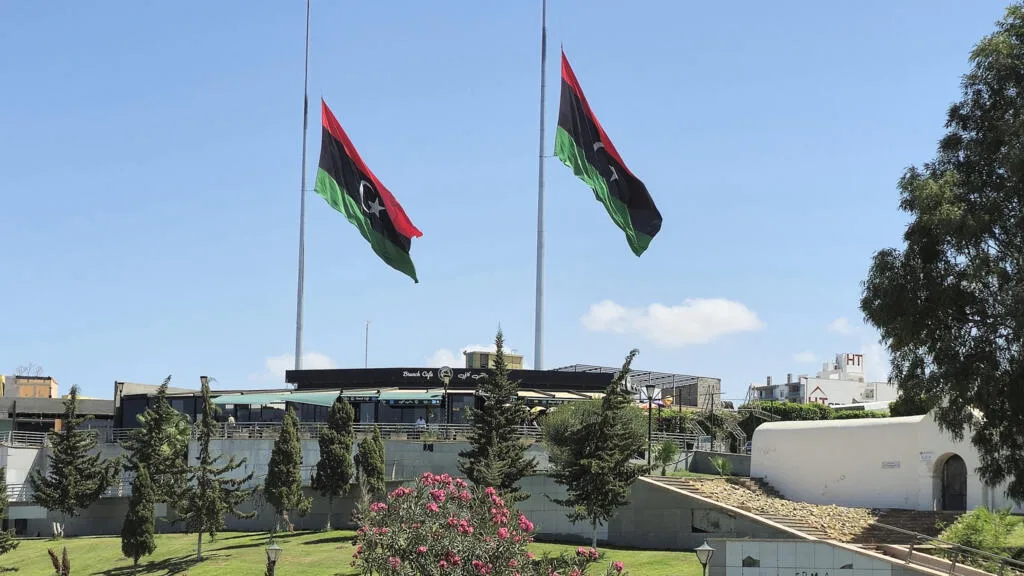
The Libyan capital is facing widespread power cuts that also affect several other localities controlled by the authorities based in Tripoli. The exact duration of the outage and the technical reasons for its occurrence have not been specified in the available information.
The consequences impact several essential services. Water distribution, telecommunications, factories, and airport infrastructure are disrupted, worsening the daily difficulties of a population already facing economic and security tensions.
This new energy crisis comes as power cuts regularly occur in the western part of the country. It revives criticisms against the Tripoli executive, accused by its detractors of failing to respond to a worsening situation.
Criticism Directly Targeting the Government
Former minister Issa al-Touayjir has accused the authorities of failing to manage the crisis. He denounced a “corrupt” government and stated that the authorities lack attention to the difficulties faced by citizens.
Political analyst Suleiman al-Bayoudi, for his part, presented the inability to restore electricity as a sign of the executive’s helplessness. Mansour al-Ahrash, president of the journalists’ union, also criticized a “failing” government, which he believes is not addressing the public’s questions about the source of the power cuts.
Protests are no longer limited to residents and civil society organizations. Political officials are now openly criticizing the management of the crisis. The retention of the director of the General Electricity Company in his position is notably perceived by some as a way for the government to avoid responding to criticism.
A Crisis Taking on a Political Dimension
The outage occurs in a tense security context. The previous week, several drone strikes, the origin of which has not been publicly established, targeted strategic infrastructure in the city of Zawiya, located west of Tripoli.
For several observers, the combination of security incidents and the electricity crisis represents a test for the American initiative aimed at promoting the unification of Libya. This approach notably relies on maintaining a balance between the camp of Abdelhamid Dbeibah, who controls the west of the country, and the forces of Marshal Khalifa Haftar, dominant in the east.
The rising distrust towards the Tripoli authorities could complicate this initiative. Additionally, several observers believe that a significant portion of the Libyan population refuses to see the future political balance of the country resting solely on the two rival camps.

Comments
Comments load when you reach this section.