
Ivory Coast: New Traceability System Slows Cocoa Purchases
Cocoa purchases have slowed in several production areas in Ivory Coast since the implementation of the new National Traceability System (SNT) on 1 September 2026. Traders, cooperatives, and purchasing agents report difficulties using the required digital tools to record transactions at the start of the 2026-2027 campaign.

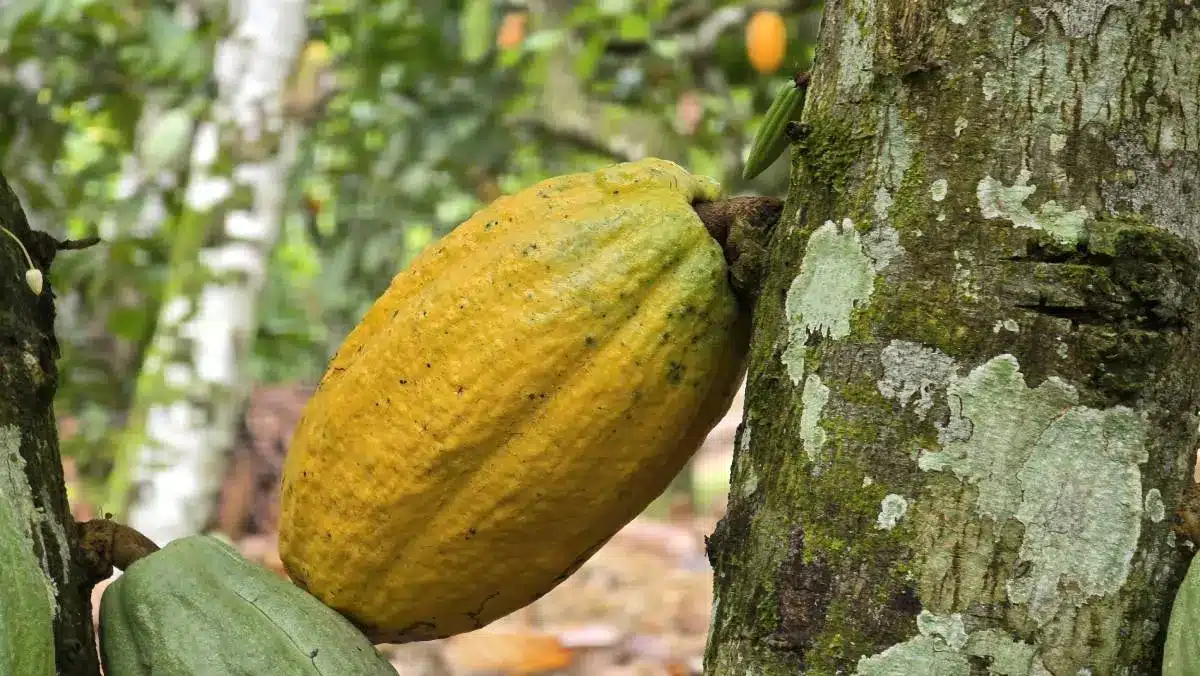
The system makes the producer’s electronic card mandatory for coffee and cocoa buying and selling operations. The Coffee-Cocoa Council presents this system as a way to track beans from the farm to export, secure transactions, and prove the origin of products, especially for the European market.
According to Reuters, several field actors say they have not yet mastered the new payment and traceability tools. Some buyers also claim they have not received all the necessary terminals, bags, and seals, which is lengthening collection and delivery times in rural areas.
The Coffee-Cocoa Council assures that it has completed the deployment of payment terminals and continues distributing equipment based on purchase volumes from the previous campaign. The regulator states it has acquired 20,000 new terminals. Its director general, Yves Brahima Koné, acknowledges startup difficulties but believes the pace of purchases should gradually improve.
This issue is strategic for the Ivorian sector, a large share of whose exports go to Europe. Reuters estimates that about 70% of the country’s cocoa is shipped to this market. Exporters fear that current delays could cause supply disruptions in October and November if adoption of the system does not accelerate.
The reform was announced several months before the campaign’s start. The Coffee-Cocoa Council had set the producer card requirement for 1 September producer cardafter census operations, plantation geolocation, and awareness campaigns. It is added to the campaign’s marketing rules, during which the minimum guaranteed price to producers remains set at 1,200 CFA francs per kilogram.
The SNT also aims to prepare Ivory Coast for the European regulation against deforestation. The European Commission specifies that the main obligations of the regulation will apply from 30 December 2026 to large and medium operators, then from 30 June 2027 to other micro and small enterprises. Cocoa is among the covered raw materials.
Related Articles
 Senegal’s debt: bondholders appoint White & Case, according to Reuters
 Central African Republic needs $12.8 billion for development plan as AfDB forecasts 2.9% growth in 2026
 Benin: work on the Sètto-Dassa-Zoumè road begins this Wednesday
 Kenya: The United States Supports Local Processing of Critical Minerals
Comments
Comments load when you reach this section.