
Iran warns it will keep Strait of Hormuz closed until U.S. meets commitments
Iran will keep the Strait of Hormuz closed until its conditions are met and the United States fulfills its commitments, Iranian Parliament Speaker Mohammad Bagher Ghalibaf stated on Sunday, September 20. Tehran claims to have communicated its demands to Washington through intermediaries.

Speaking before Parliament, Ghalibaf ruled out a return to the previous negotiation framework or a reopening of the maritime passage before the recognition of what Iran considers its rights and the fulfillment of U.S. commitments. He did not elaborate on the full list of conditions presented to the United States during this address.
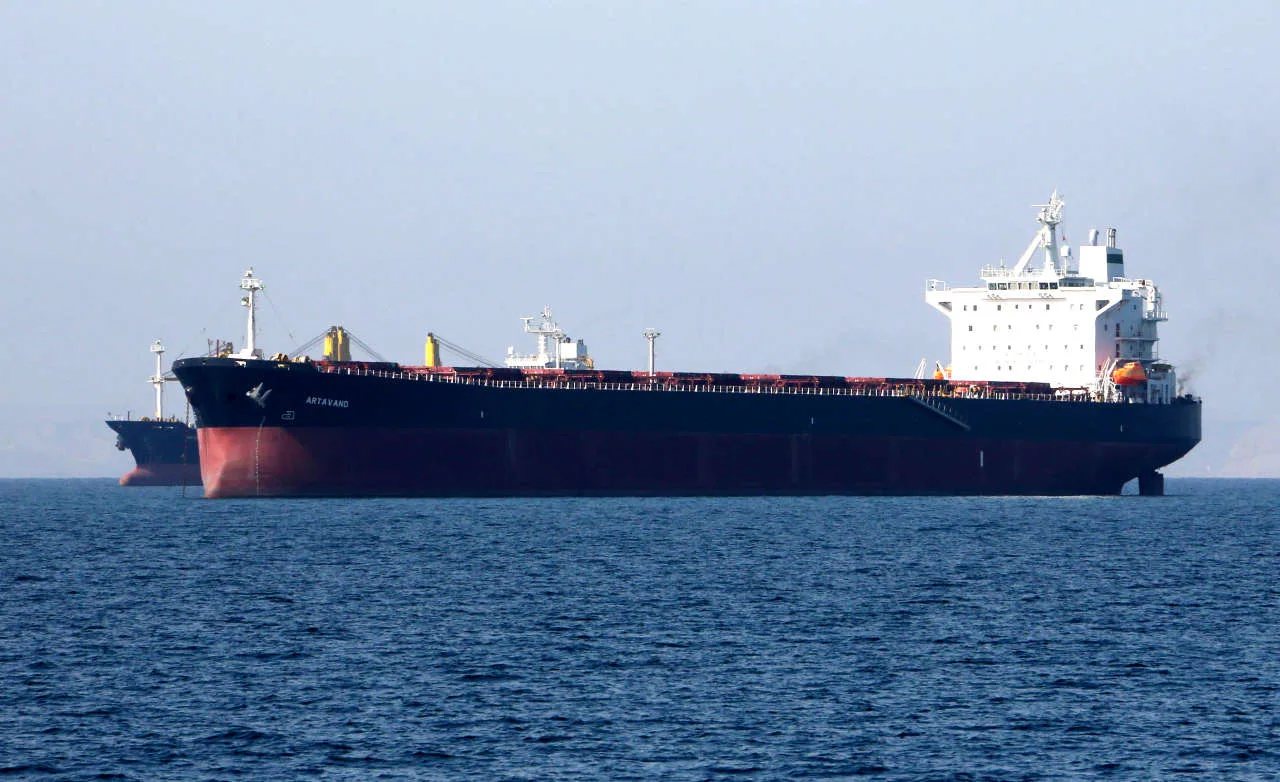
The Strait of Hormuz is a key transit point for global energy trade. Its closure and the restrictions imposed since the onset of the conflict between Iran, the United States, and Israel have severely disrupted maritime flows in the Gulf and increased pressure on oil markets.
Washington and Tehran reached a temporary agreement in June that included a halt to military operations and arrangements aimed at restoring navigation. However, the process has since stalled over security and traffic conditions in the strait. Iran has linked the normalization of traffic to several demands made to the United States.
The paralysis of the passage is evident in commercial traffic. On September 11, Benin Web TV reported that only seven commercial vessels had crossed the strait in one day, compared to much higher levels before the conflict. Shipowners and insurers continue to factor in a high risk in their navigation decisions.
Conditions communicated through intermediaries
Ghalibaf asserted that Iranian messages had been conveyed “explicitly” to the American side by intermediaries. According to reports published in recent weeks, discussions focus on lifting U.S. measures targeting Iranian ports and oil exports, frozen assets, and security guarantees demanded by Tehran.
The Iranian official simultaneously defended the continuation of both military pressure and diplomacy. This stance comes as tensions remain high in the Gulf and the United States maintains a significant naval presence around the region’s energy routes.
Iran had previously closed the strait in June after what Tehran described as violations of the ceasefire. Iranian authorities have since allowed certain passages under conditions while maintaining restrictions on vessels deemed linked to adversarial countries.
As of September 20, no public American response to Ghalibaf’s latest statements had been announced. The Iranian Parliament Speaker confirmed that Tehran is still awaiting Washington’s reaction to the demands communicated by intermediaries.

Comments
Comments load when you reach this section.