
In Abuja, Akara Links Street Food and Women’s Entrepreneurship
In Abuja, the akara takes on a new role this Monday, moving beyond its status as a popular breakfast item to become the centerpiece of an event that intertwines cuisine, commerce, and women’s entrepreneurship. The International Akara Day Festival features culinary demonstrations, a market, music, and fashion, all centered around this bean cake that is a staple in Nigerian diets.

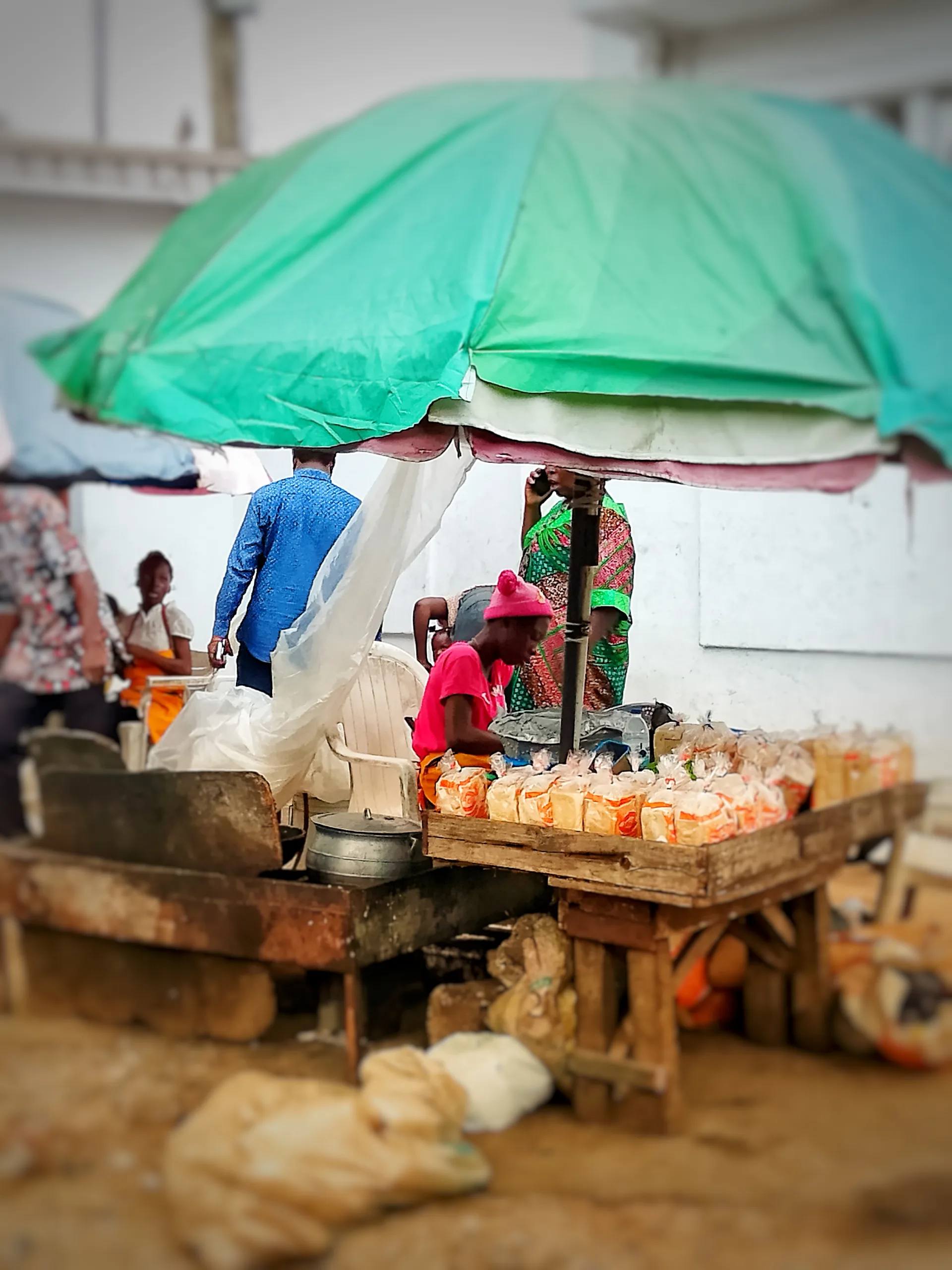
Organized by Urbanview Magazine at City Gate, the festival is scheduled from 10:00 am to 4:00 pm on September 21. Visit Abuja notes that programs focused on women’s entrepreneurship and youth will accompany the culinary activities, aiming to showcase the product as both a cultural highlight and an entry point for small business ventures.
This theme is not abstract in Nigeria’s capital. Earlier in September, a report by News Express described a daily ritual outside the Federal High Court in Abuja, where Josephine Katung and a vendor known as Aunty Jummai serve akara each morning to lawyers, clerks, journalists, and hurried visitors.
The dish is typically enjoyed with pap or bread, sometimes simply purchased individually. Several customers interviewed explained that they choose this option because it is quick and accessible before lengthy court sessions. A plate of akara served with pap or bread cost between 500 and 800 naira, depending on the portion size.
For the vendors, the stakes are also economic. Katung and Jummai explained that their earnings contribute to household expenses and school fees, while rising prices for beans, oil, and pepper are squeezing their profit margins. It is precisely these small-scale food businesses that the festival aims to highlight by linking them to a market and entrepreneurship programs.
Street food thus becomes the starting point for a broader narrative about women’s work and daily practices. Outside the Federal High Court, Katung noted that she begins grinding the beans and preparing the ingredients as early as 4:00 am to ensure the first batches are ready before customers arrive.


Comments
Comments load when you reach this section.