
Fibremaxxing: 6 Simple Ways to Add More Fiber with Foods from Benin
After months of videos focused on protein, social media has introduced a new term into wellness conversations: “fibremaxxing.” The concept involves building meals more around foods naturally rich in fiber. In 2026, the trend has moved beyond TikTok to lifestyle media and even some mainstream food offerings.

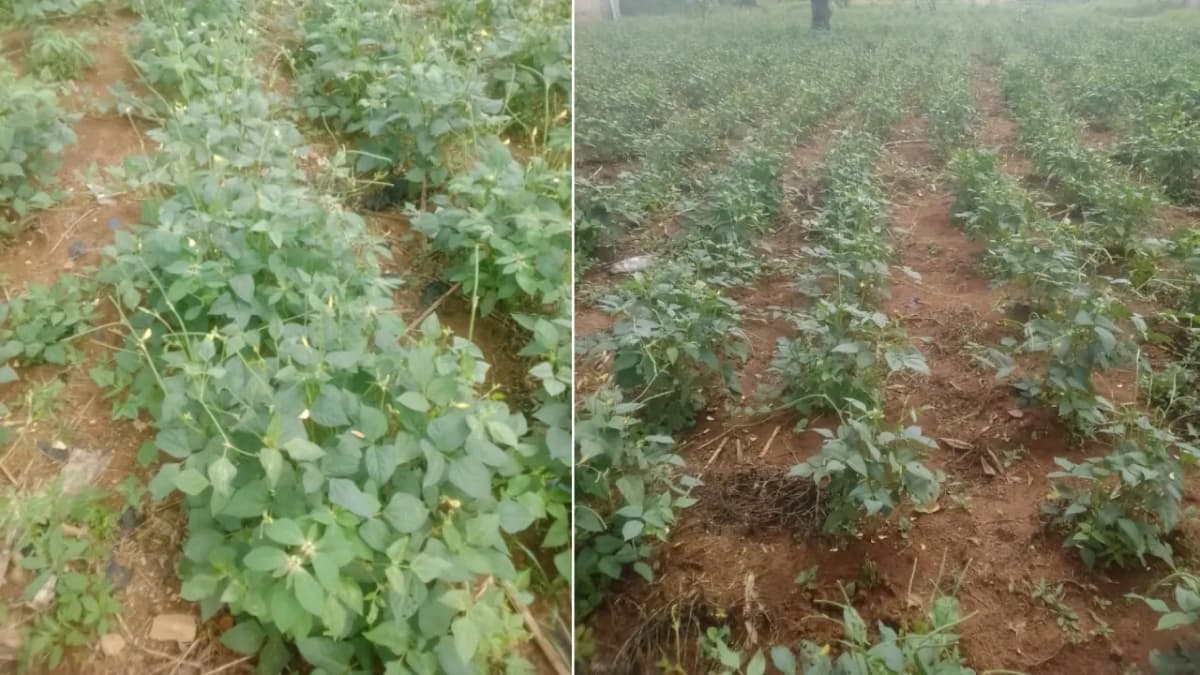
At its core, the idea is less exotic than it seems. The World Health Organization recommends adults consume at least 25 grams of dietary fiber naturally present in foods daily, emphasizing whole grains, vegetables, fruits, and legumes. The British Nutrition Foundation also highlights that the variety of sources matters as much as the quantity.
The catch lies mainly in the word “maxxing,” which can encourage doing more and more. Experts consulted about this trend stress a gradual increase instead: a sudden jump in fiber intake can cause bloating, gas, or digestive discomfort. The goal is not to break records but to progressively improve the presence of plant-based foods on the plate.
In Benin,this approach doesn’t require filling your basket with trendy seeds or imported products. Many everyday foods can already serve as a base: cowpeas, beans, less refined cereals, leafy vegetables, okra, whole fruits, peanuts, or seeds.
1. Giving Cowpeas and Beans a True Place Again
Legumes are among the quality carbohydrate sources highlighted by the WHO. Cowpeas, widely present in West Africa, have a rightful place in a local version of fibremaxxing.
The simplest habit is to stop seeing them only as occasional side dishes. A serving of cowpeas or beans can be part of lunch, a warm salad, a sauce, or a weekend preparation. The practical advantage: you add fiber without having to change the entire meal structure.
2. Choosing Whole or Less Refined Cereals More Often
Millet, sorghum, maize, and other cereals can contribute to fiber intake when consumed in forms that retain more of their grain. Not all preparations are equal: the more refined a cereal is, the less fiber it generally retains.
Without banning white rice, white bread, or very fine flours, simply alternating helps. A less refined millet porridge, sorghum, or a whole grain cereal at some meals is enough to vary sources.
3. Eating Fruit More Often Than Drinking It
Mango, papaya, guava, orange, banana, or watermelon can complement a meal or replace a very sugary snack. Choosing whole fruit rather than filtered juice preserves more of the fiber naturally present in the plant.
The right habit isn’t to pile three fruits at every meal but to have them regularly on hand, depending on the season and budget. A simple plate quickly becomes more interesting with a whole fruit for dessert.
4. Making Vegetables Part of the Dish, Not Just Decoration
Okra, leafy vegetables, African eggplant, carrot, tomato, or cabbage can increase the plant diversity of a meal. The idea is to give vegetables a real place in sauces, sautés, and sides, rather than adding just a symbolic small amount.
To keep it simple, one can follow a visual rule: when a dish already contains starch and protein, just look for which vegetable or leaf can complete the whole.
5. Using Peanuts, Nuts, and Seeds as Small Boosts
Nuts and seeds are also naturally rich in fiber. A small handful of unsweetened peanuts, some seeds in a porridge, or a bit of nuts on fruit can enrich a meal without complicating it.
The key word remains “small”: fibremaxxing doesn’t need to turn every plate into a mix of ten toppings. A few regular additions are easier to maintain than a spectacular routine for three days.
6. Increasing Fiber Gradually and Drinking Enough
This is probably the least glamorous but most useful advice. The digestive system may need time to adjust to increased fiber. Specialists therefore recommend increasing amounts little by little and maintaining sufficient hydration.
In practice, it’s better to modify one or two meals at a time: add legumes several times a week, replace some highly refined products, then increase the variety of fruits and vegetables. Then observe how your body reacts before going further.
Fibremaxxing becomes interesting when you remove the challenge aspect to keep the principle: more plants, more variety, and less dependence on highly refined foods. For people with digestive diseases, following therapeutic diets, or experiencing persistent symptoms, significant dietary changes should be discussed with a healthcare professional.




Comments
Comments load when you reach this section.