
In nine years, Benin triples its energy production capacity
Romaric Ogouwalé, minister-adviser for Energy, presented the energy progress made under the Talon era
on Sunday 15 June 2025 on Océan FM radio’s “Cartes sur table” programme.

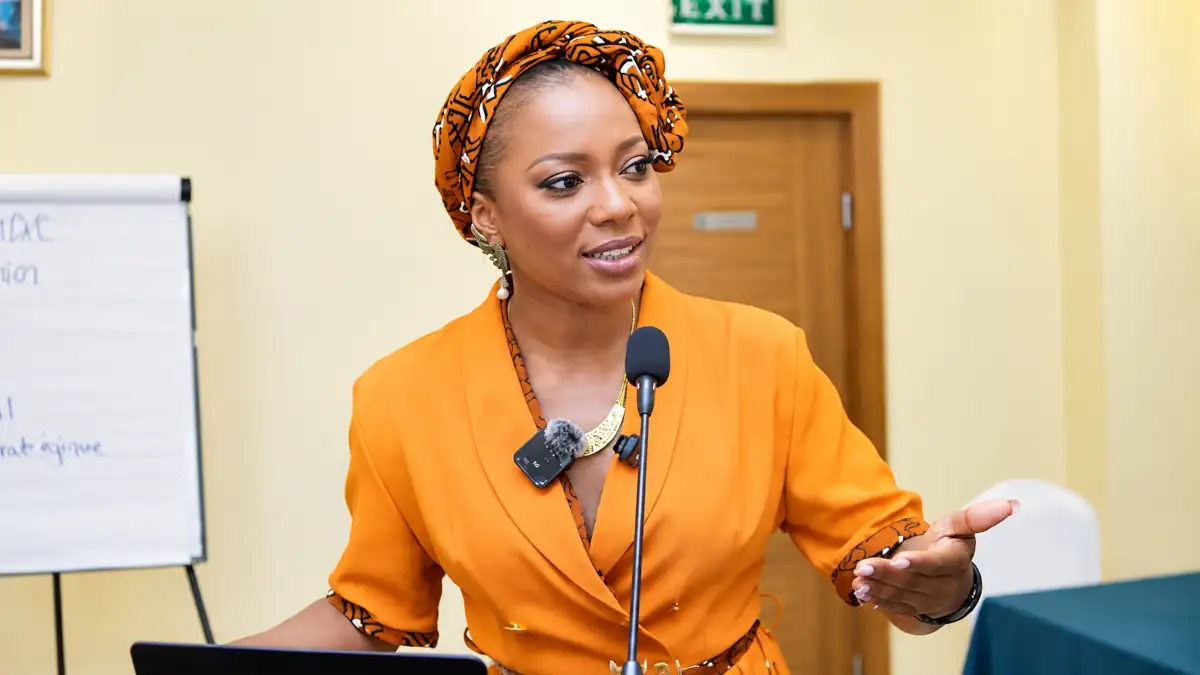
The minister-adviser for Energy, Water and Mines, Romaric Ogouwalé, was the guest on Océan FM radio’s socio-political programme «Cartes sur table» on Sunday 15 June 2025. He gave an overall assessment of the progress made by President Patrice Talon’s government in the energy sector over the past nine years.
A spectacular leap in energy coverage
According to Romaric Ogouwalé, Benin has made major strides in electricity coverage. The national coverage rate has risen from 28.5% to 60.9%, now nearing 70%. «That’s a big step forward», he said.
The national electrification rate, meanwhile, rose from 30% to 45%, while rural electrification climbed from 6.5% to 30%, a figure reflecting efforts toward territorial equity.
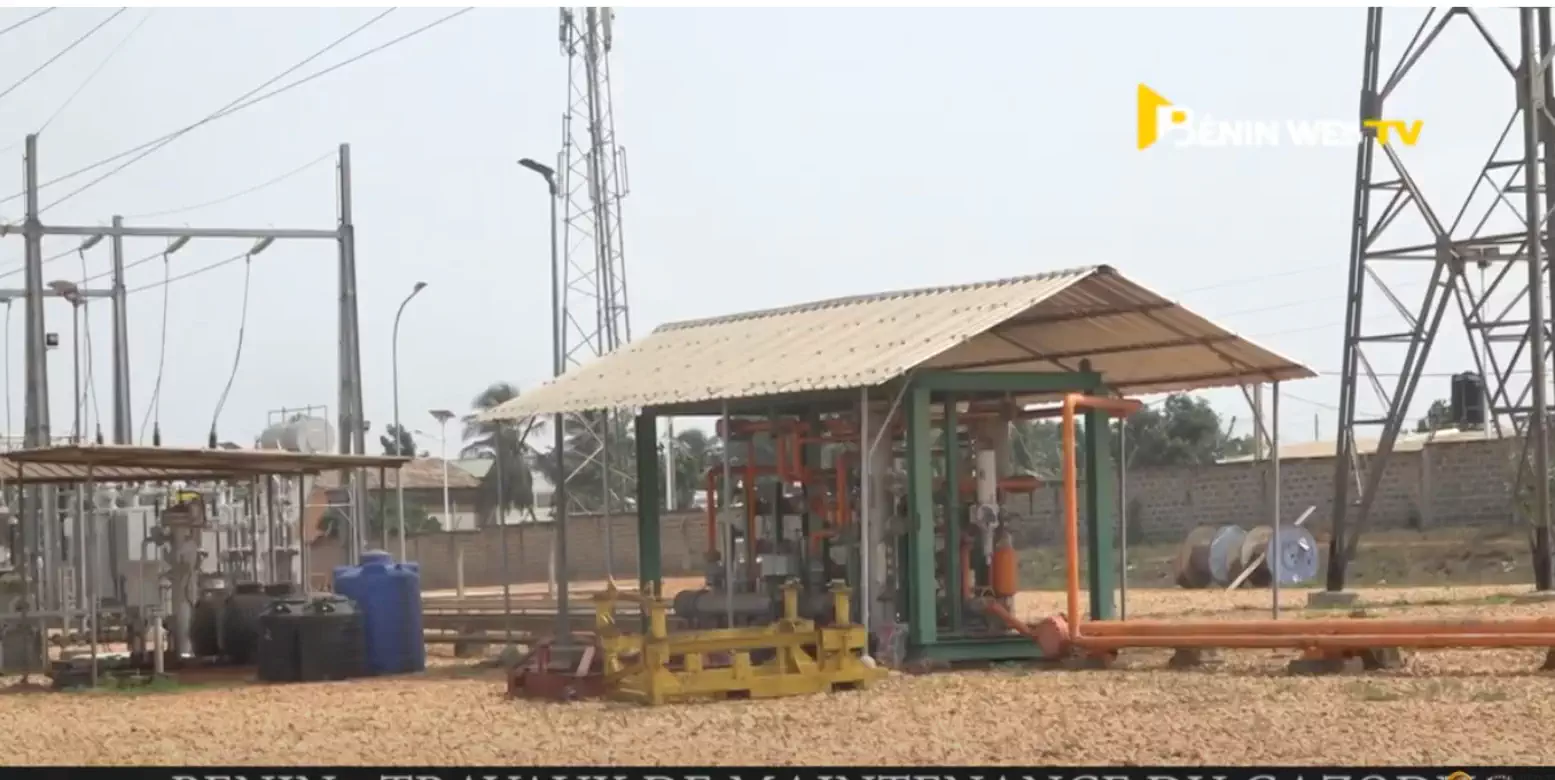
Still according to the minister, Benin now produces 182 megawatts of electricity, compared with an almost total dependence on imports a few years ago. This achievement is attributable to the creation of nine new transformer substations, which have resolved the issues of energy availability.
«Today, the questions of availability are definitively settled. Only those linked to access remain», Romaric Ogouwalé specified.
Calmer external relations
The minister also spoke about regional partnerships. He affirmed that cooperation with Ghana and Nigeria on electricity supply is going well. According to him, Benin receives the agreed amount of energy and honours its contractual commitments by paying its bills regularly.
While availability is no longer an issue, widening access is now the new frontier to conquer. The government has therefore announced new projects to connect more households and businesses to the grid, in order to strengthen energy inclusiveness.
Comments
Comments load when you reach this section.