
DRC: after the agreement with a branch of the FDLR, shadow areas persist
The Democratic Republic of Congo announced on July 28 that the Democratic Forces for the Liberation of Rwanda (FDLR) signed a protocol intended to oversee their demobilization. Presented as the implementation of a commitment made in the peace agreement concluded between Kinshasa and Kigali on June 27, 2025, in Washington, the text still needs to be verified on the ground.

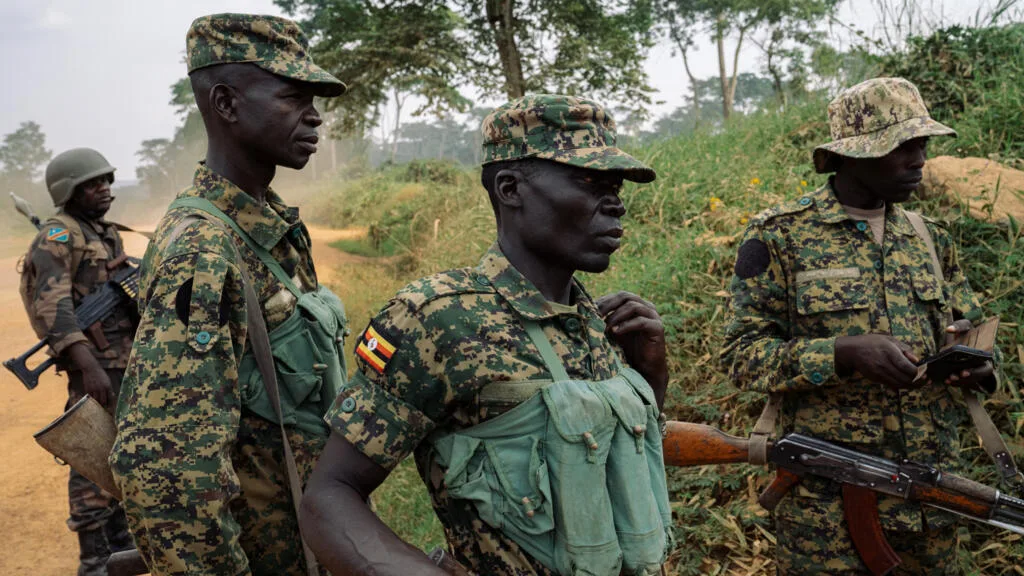
According to Congolese authorities, this signature addresses one of Rwanda’s main demands in the conflict with the DRC. However, the identity of the officials who actually committed the entire movement, the execution timeline, and the supervision modalities remain to be specified.
According to government sources cited by RFI, General Omega reportedly approved the protocol before its signature by Victor Byiringiro, the political leader of the so-called “focal” branch of the FDLR. General Omega is presented by the United Nations as the military head of this branch and as the supreme leader of the movement.
However, the real scope of this commitment will need to be established locally. The process is set to begin in Walikale, in the North Kivu province, presented as the only area where Congolese authorities currently have the necessary conditions to ensure control. Kinshasa must notably verify that the commanders present in the operational areas recognize the authority of the coordination that signed the protocol.
In recent months, doubts have emerged about the affiliation of several local leaders claiming to be part of the FDLR to the central leadership of the movement. Consequently, the signature of the protocol alone does not confirm that all factions or units operating in eastern DRC will comply with it.
The text provides for a 90-day period to conduct the demobilization. The exact date to start the countdown has reportedly been communicated to the American, Qatari, and Togolese mediators, but it has not been made public. Thus, it remains impossible to officially determine when this period should begin and when it will end.
A supervision mechanism yet to be established
Kinshasa plans to set up a committee in the coming days to monitor the implementation of the protocol. This structure is expected to involve regional and international partners, but its precise composition, powers, and means of action have not yet been detailed.
The question of financing also remains open. According to the announced principle, each country should bear the commitments that fall to it. However, the authorities have not communicated the estimated cost of the operation or the resources that will be mobilized to support the demobilization, disarmament, and reintegration of combatants.
The implementation of the protocol will therefore depend on several stages: confirming the authority of the signing leadership on the ground, defining the timeline, establishing the supervision committee, and mobilizing funding. No available elements yet allow for measuring the concrete scale of the surrenders or confirming the actual start of the process.

Comments
Comments load when you reach this section.