
Cameroon: a awareness campaign at airports against the trafficking of protected species
A public awareness campaign against the trafficking of protected species is being conducted at the international airports of Douala and Yaoundé, initiated by the NGO WildAid. Messages displayed on digital screens engage travelers, while customs and agents from the Ministry of Forests and Wildlife enhance inspections.

At the Yaoundé-Nsimalen international airport, vigilance particularly focuses on the possession and transport of products derived from protected species. “Since the start of this campaign, the usual and customary measures we implement against this scourge have been strengthened,” explains Henri Bozard Toutou, chief of the main customs office.
Travelers carrying such products must present a CITES permit as well as a certificate of origin. This permit allows for the import, export, or re-export of protected species, but customs officials also intend to verify the authenticity of the presented documents.
“We are going in-depth by trying to verify the authenticity of these documents both in terms of form and substance,” specifies Mr. Bozard Toutou. Agents may also seek the expertise of the services of the ministry in charge of wildlife protection to identify the products and check their compliance.
Regular Seizures in Luggage
The awareness messages are aimed at both national and international travelers and will be disseminated for five months. They remind travelers of the risks associated with the transport and trade of products derived from wildlife and flora.
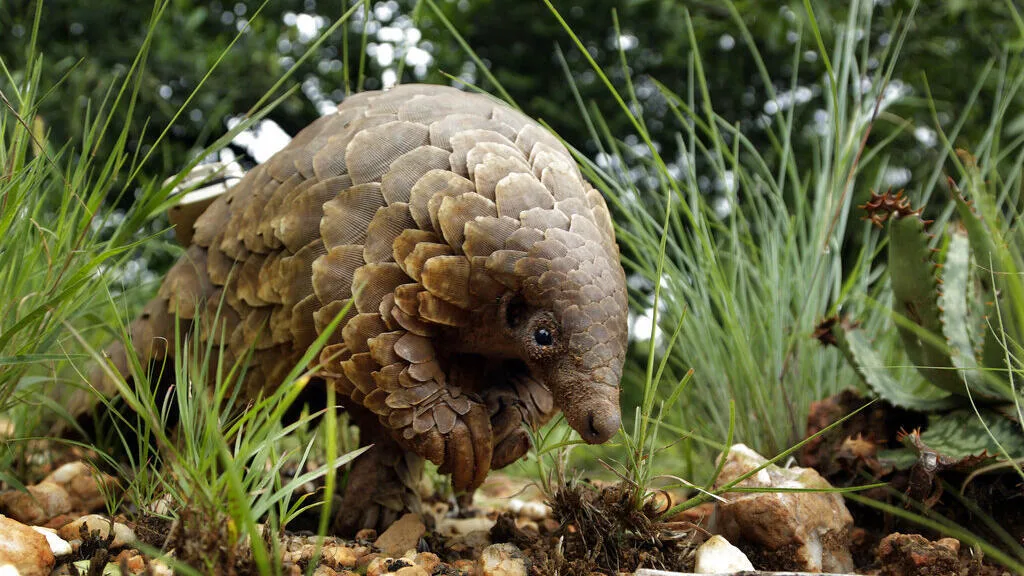
Cameroonian customs regularly seize pangolin scales, grey parrots from Gabon, live reptiles or their skins, as well as elephant ivory. Hunting trophies, including teeth, hooves, and animal carcasses, are also intercepted.
These products are often hidden in luggage and mixed with passengers’ personal belongings. They may also be incorporated into express parcels or declared under false names to deceive the vigilance of inspectors.
According to Jennifer Biffot, WildAid’s representative for French-speaking Africa, the trafficking of protected species goes beyond just the issue of biodiversity conservation. It can also be linked to money laundering, corruption, fraud, and the financing of criminal activities, which motivates the strengthening of controls at airports.



Comments
Comments load when you reach this section.