
Benin: Senate members in a plenary session on August 6th
After their official installation and the adoption of their internal regulations on July 30, the members of the new high parliamentary chamber are preparing for a key step.

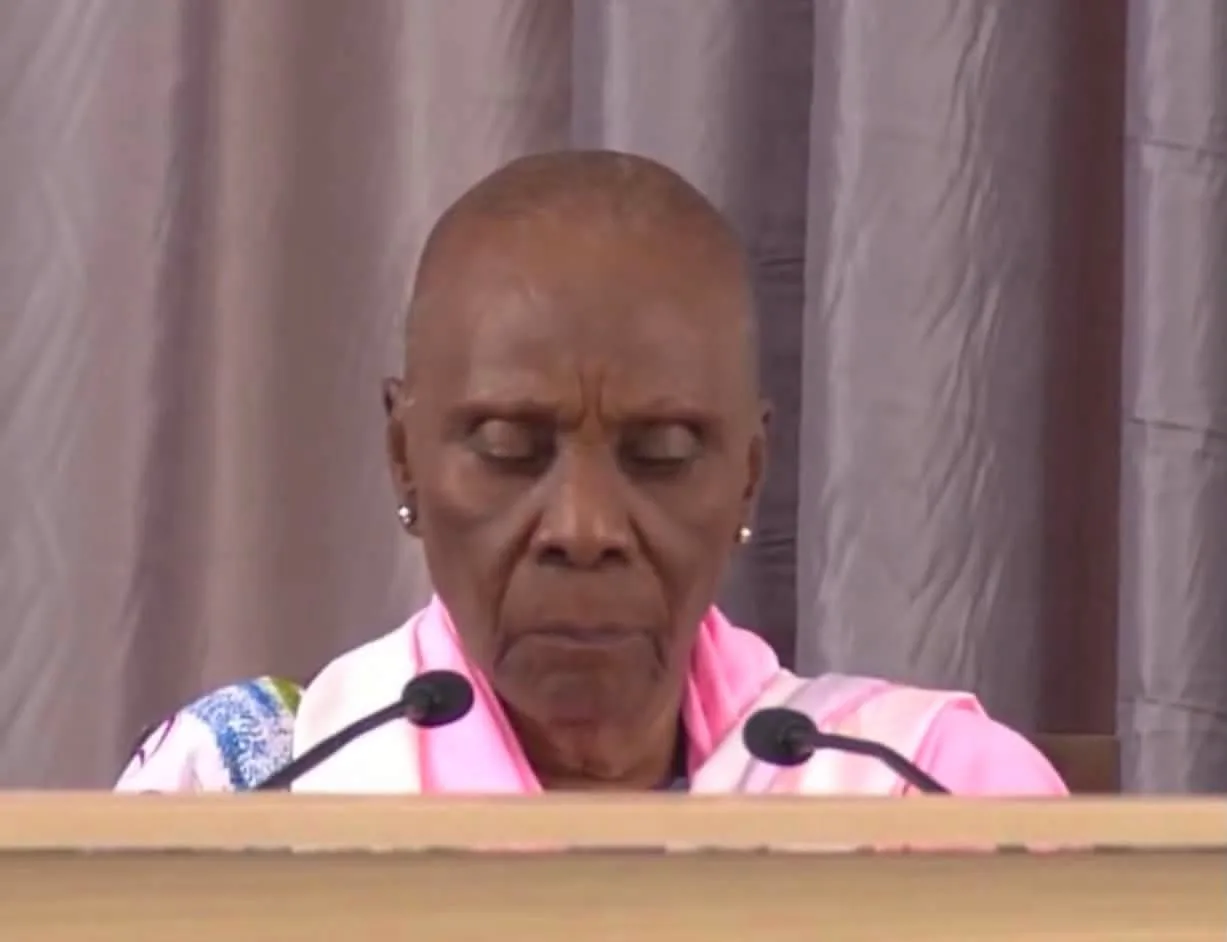
Following the study of the compliance of the internal regulations with the constitution, which will take place this Monday, August 3, the senators have scheduled a plenary session on Thursday, August 6, 2026, in Porto-Novo.
During this plenary session, the senators will certainly proceed to the designation of their very first executive bureau, a fundamental act essential for launching the activities of this new institution.
A restricted leadership to guide the institution
The governing body of the Beninese Senate consists of a President, a Vice-President, and a Rapporteur. Elected by their peers for a renewable five-year term, these members will form the thinking head of the upper chamber.
The President of the Senate will lead the work and plenary sessions while representing the institution before the other branches of State. The Vice-President will assist him in his duties and will take over if necessary, while the Rapporteur will ensure the smooth conduct of deliberations, the follow-up of texts, and the maintenance of minutes of the hearings. This trio benefits from the administrative and financial autonomy granted to the Senate to ensure its smooth functioning on a daily basis.
Attributions and democratic missions of the upper chamber
Arising from the latest constitutional revision, the Beninese Senate enriches the democratic architecture of the country by introducing a bicameral parliament alongside the National Assembly. Its missions are structured around several major governance axes:
- Legislative work and political regulation: Senators are directly involved in the law voting process, participating in the control and in-depth examination of texts of national interest.
- The preservation of national unity: Representing the entire territory, the upper chamber is designed as a space for moderation, balance, and consultation guaranteeing republican stability.
- Monitoring government action: Like the deputies, the Senate has mechanisms to evaluate public policies implemented by the executive.
Once the governing body is set up, the upper chamber will be able to structure its permanent committees and fully engage in the dynamics of its work for the legislature.



Comments
Comments load when you reach this section.