
Benin: broken but standing, these GBV survivors refuse to stay silent
Forced marriage, domestic violence, sexual harassment… Three women break their silence on the violence they have endured. Through their accounts rings a single cry: that of dignity regained, despite the trauma. Their courage sheds light on paths toward a fairer and more effective fight against gender-based violence (GBV) in Benin.

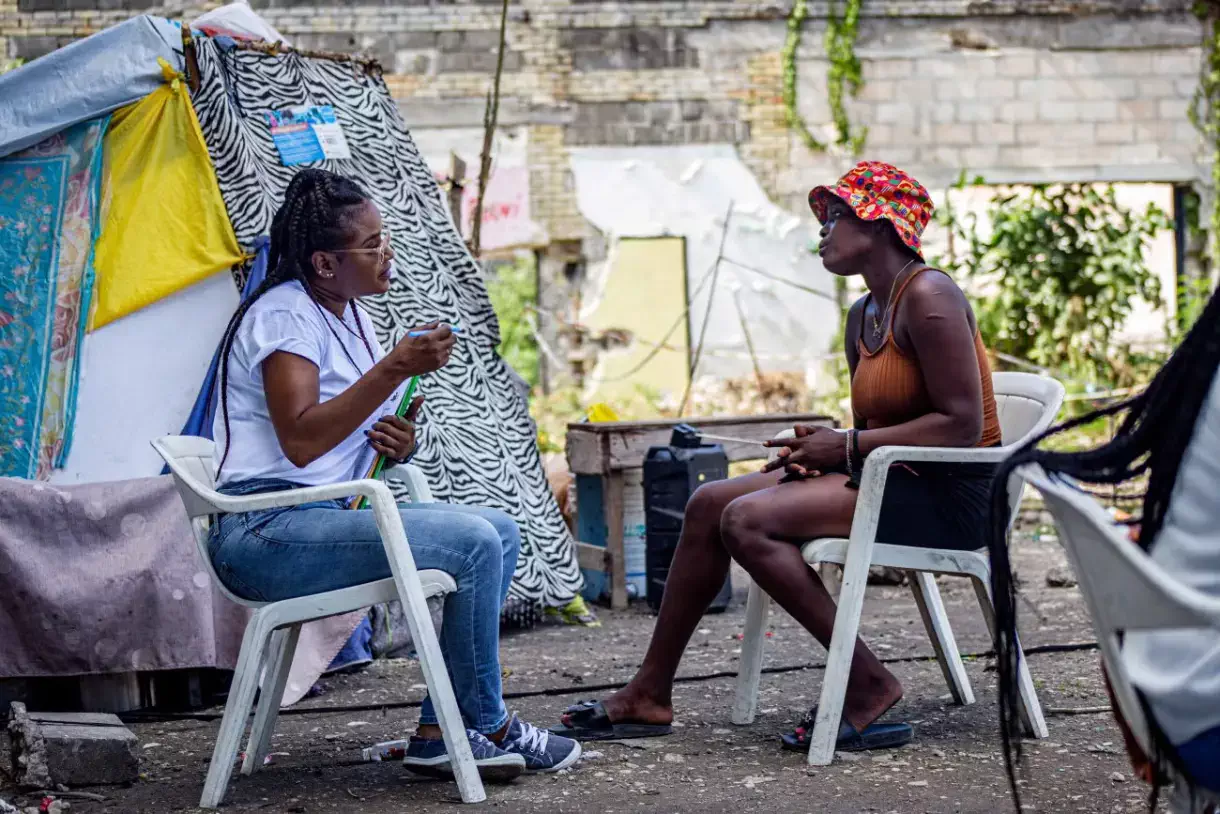
Aïssatou, Grâce, Irène. Three names, three journeys, one same fight: to live freely, without fear, without domination, without violence. In a country where gender-based violence remains commonplace, these young women decided to tell their stories. Not to inspire pity, but to demand justice, break the chains of silence and call for action.
Aïssatou, 19: forced into marriage at 15
«I wanted to keep going to school, but my parents decided to marry me off to a 45-year-old man. When I resisted, my mother locked me up and my father beat me», she confided.
It was by fleeing that Aïssatou managed to escape a fate that was not her own. Taking refuge in a listening centre, she is now trying to rebuild her life as an apprentice seamstress. But the wounds run deep: cut off from her family, she dreams of freedom, yet keeps running into the harsh realities of social rejection.
Her testimony highlights the weight of patriarchal traditions, the lack of alert mechanisms in rural areas, and the need for better support for reintegration.
Grâce, 32, beaten in silence within her marriage
An executive at a company based in Cotonou, Benin, Grâce was not the typical profile one often imagines when talking about domestic violence. And yet… «My husband constantly belittled me, sometimes hit me. I was ashamed to talk about it: I was an educated, independent woman», she recounted.
She held on until the day her own daughter expressed fear of coming home. That statement was the turning point. Grâce filed a complaint, but has never seen her ex-partner troubled by the justice system.
Her story reveals the impunity that perpetrators of violence too often enjoy and underscores the need for genuine psychological and legal support for survivors.
Irène, 24, harassed by a teacher
«He told me that if I wanted to pass my course, I had to “show him a little respect”…», she explained.
Irène, a student, did not give in. But the price of her dignity was high: an unjust zero grade and having to drop a course. When she tried to report what had happened, the administration put up a wall: no evidence, institutional silence.
Today, the young woman campaigns for the creation of a hotline in universities, to allow victims to break the code of silence.
Solutions to finally take action
Faced with these multifaceted forms of violence, solutions exist and deserve to be strengthened. It is essential to set up accessible listening and referral services, such as listening centres, specialised NGOs and the free 138 hotline. These structures allow victims to obtain an initial level of psychosocial and legal support.
In schools and universities, establishing gender units is essential. These safe spaces can welcome victims’ testimony, raise awareness among pupils and students, and help shift attitudes from the youngest age.
It is also fundamental to strengthen training programmes on positive masculinity. Aimed at boys and men, these programmes help dismantle stereotypes and encourage respectful, non-violent behaviour.
In addition, lasting psychosocial and economic support must be offered to survivors. Well-structured psychological support, together with genuine financial empowerment, are major levers for personal rebuilding and for avoiding relapse or economic dependency.
Finally, imposing exemplary sanctions against perpetrators is crucial. Fighting impunity requires firm justice, coherent case law and visible rulings that deter any repeat offences.
Toward a collective mobilisation of stakeholders
These poignant testimonies, together with the many avenues for action, sketch out the contours of a fight that is possible, but that still needs to be intensified. For these efforts to produce lasting results, victims’ voices must be backed by an active mobilisation of institutions, civil society and communities.
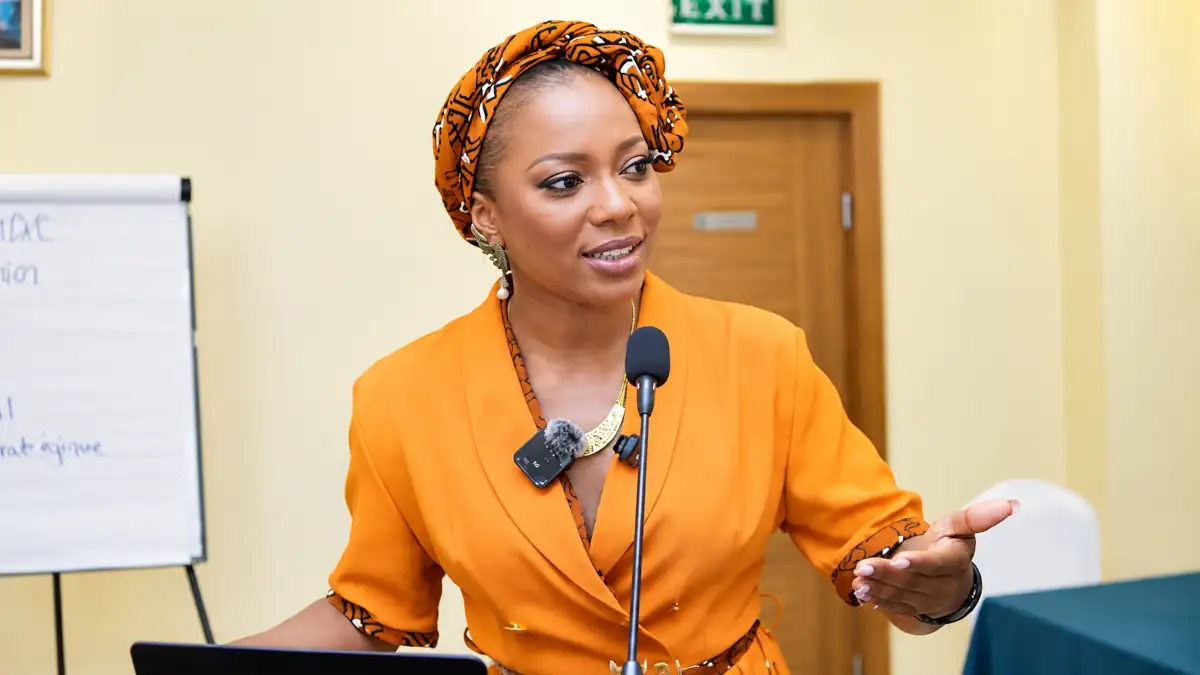
For Mariette Montcho, executive director of the West African Network of Young Women Leaders of Benin (Roajelf), there is an urgent need to act. «Too many lives have been shattered and too much potential wasted because of these intolerable acts, which have no place in a society that aspires to progress and equality», she denounced.
She stresses the need for a collective approach. «By bringing together key stakeholders, sharing best practices and raising awareness within communities, we can push back this scourge and build a better future for everyone», she expressed her hope.
Mariette Montcho, executive director of the West African Network of Young Women Leaders of Benin (Roajelf), thus issues a call for unity, collective responsibility and action. So that never again will an Aïssatou, a Grâce or an Irène be forced into silence.


Comments
Comments load when you reach this section.