
American visas: Benin will now have to go through Lomé, Accra, or Lagos.
Washington is preparing to significantly reduce its visa issuance framework in Africa. According to the Associated Press, only 20 American embassies and consulates will retain full processing capacity, a decision that could complicate procedures for nationals from many African countries, including Benin, in the context of the immigration crackdown by the Trump administration.

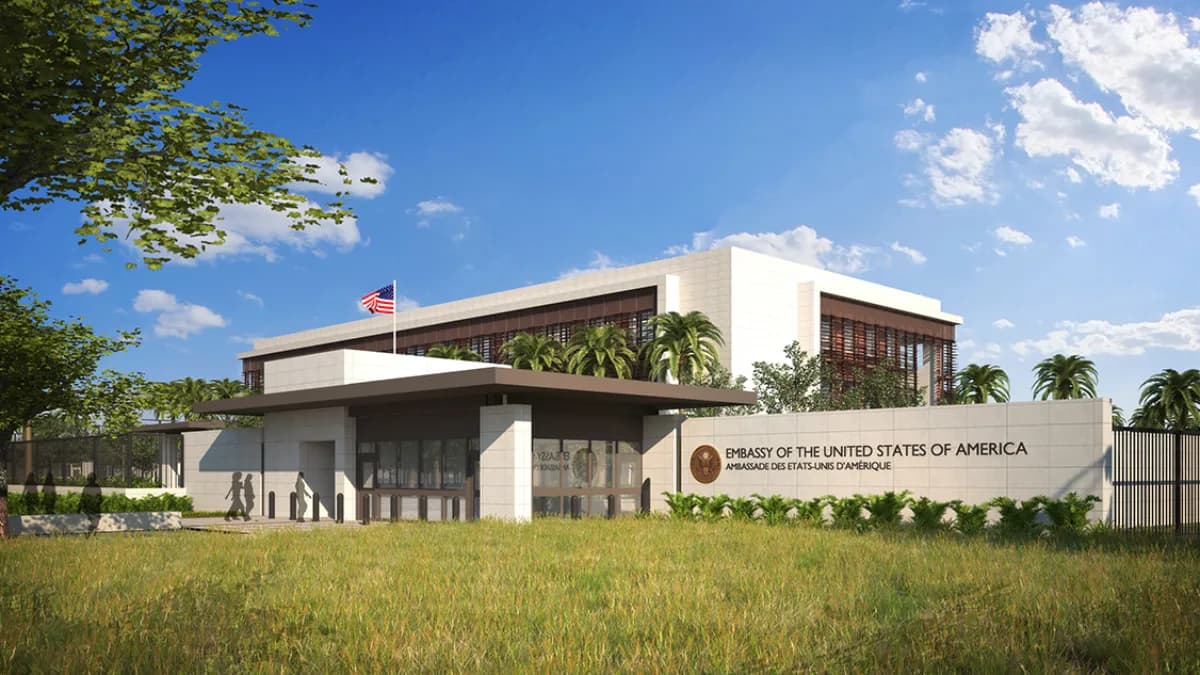
The U.S. State Department will reduce to 20 the number of embassies and consulates in Africa authorized to process visa applications for foreign nationals wishing to travel to the United States, according to information from the Associated Press published on Tuesday, June 2, 2026. The measure, which is set to take effect in June, is based on a directive approved by Secretary of State Marco Rubio during the week of May 25. It halves the current network of consular processing: nearly 50 embassies and consulates had been processing applications until now. This information is based on testimonies from three U.S. officials authorized to speak on condition of anonymity and an internal memorandum obtained by the AP agency.
No specific date was set at the time of publication. During a conference call held on Friday, May 30, American diplomats – including heads of consular sections – were informed of the decision to reduce visa services across Africa, according to one of the officials present.
The 20 locations retaining full visa processing capacity are as follows: Abidjan (Ivory Coast), Accra (Ghana), Addis Ababa (Ethiopia), Cape Town and Johannesburg (South Africa), Dakar (Senegal), Dar es Salaam (Tanzania), Djibouti (Djibouti), Kampala (Uganda), Kigali (Rwanda), Kinshasa (DR Congo), Lagos (Nigeria), Lomé (Togo), Luanda (Angola), Malabo (Equatorial Guinea), Monrovia (Liberia), Nairobi (Kenya), Port Louis (Mauritius), Praia (Cape Verde), and Yaoundé (Cameroon). The consular sections of countries not selected will see their activities restricted to services for American citizens and urgent matters.
Significant practical consequences for non-selected countries
The measure creates a direct geographical and financial burden for nationals of countries not included in the 20 hubs. A visa applicant from Benin, for example, will now have to travel to Lomé in Togo, Accra in Ghana, or Lagos in Nigeria to submit their application – cities located 100 to 150 kilometers from Cotonou for the first two, and 400 kilometers for the third. Transportation, accommodation, and waiting costs will add to the already high visa fees. For more landlocked countries, like Mali, Niger, or Chad, whose capitals are not included in the hubs, the burden is disproportionately heavier.
This reduction adds to other measures already in force since the beginning of Trump’s second term. Visa bonds of $5,000 to $15,000 have been imposed for several African countries, including Benin, Senegal, Cameroon, and Ivory Coast. These bonds have been partially eased for African supporters wishing to attend the 2026 World Cup, with the first matches scheduled to start on June 11 on U.S. soil. Formal travel bans additionally affect certain countries on the continent. Restrictions following the resurgence of the Ebola virus in the DRC and Uganda further reduced the processing of applications from the affected countries and their neighbors.
A State Department citing efficiency
In its response to the AP, the State Department stated that it “continually evaluates its operations abroad in order to use public funds in a way that advances U.S. priorities with maximum effectiveness and efficiency”. It clarified that this “includes a visa issuance procedure that adheres to rigorous security checks and background verification standards, and aligns resources and operational capacities with U.S. national interests”. The measure does not constitute a closure of embassies, but a restriction of the scope of their consular activities.
The African visa policy fits into the broader context of the Trump administration’s immigration crackdown, which has concurrently reduced staffing at its embassies worldwide, tightened visa requirements for dozens of countries, and triggered large-scale deportation procedures within the United States.




Comments
Comments load when you reach this section.