
Africa: Hyundai and the AfDB partner on energy and mobility
Hyundai Motor Group and the African Development Bank (AfDB) signed a letter of intent on September 8, 2026, in Seoul to develop projects in Africa focused on clean energy, transportation, electric mobility, and industrialization.

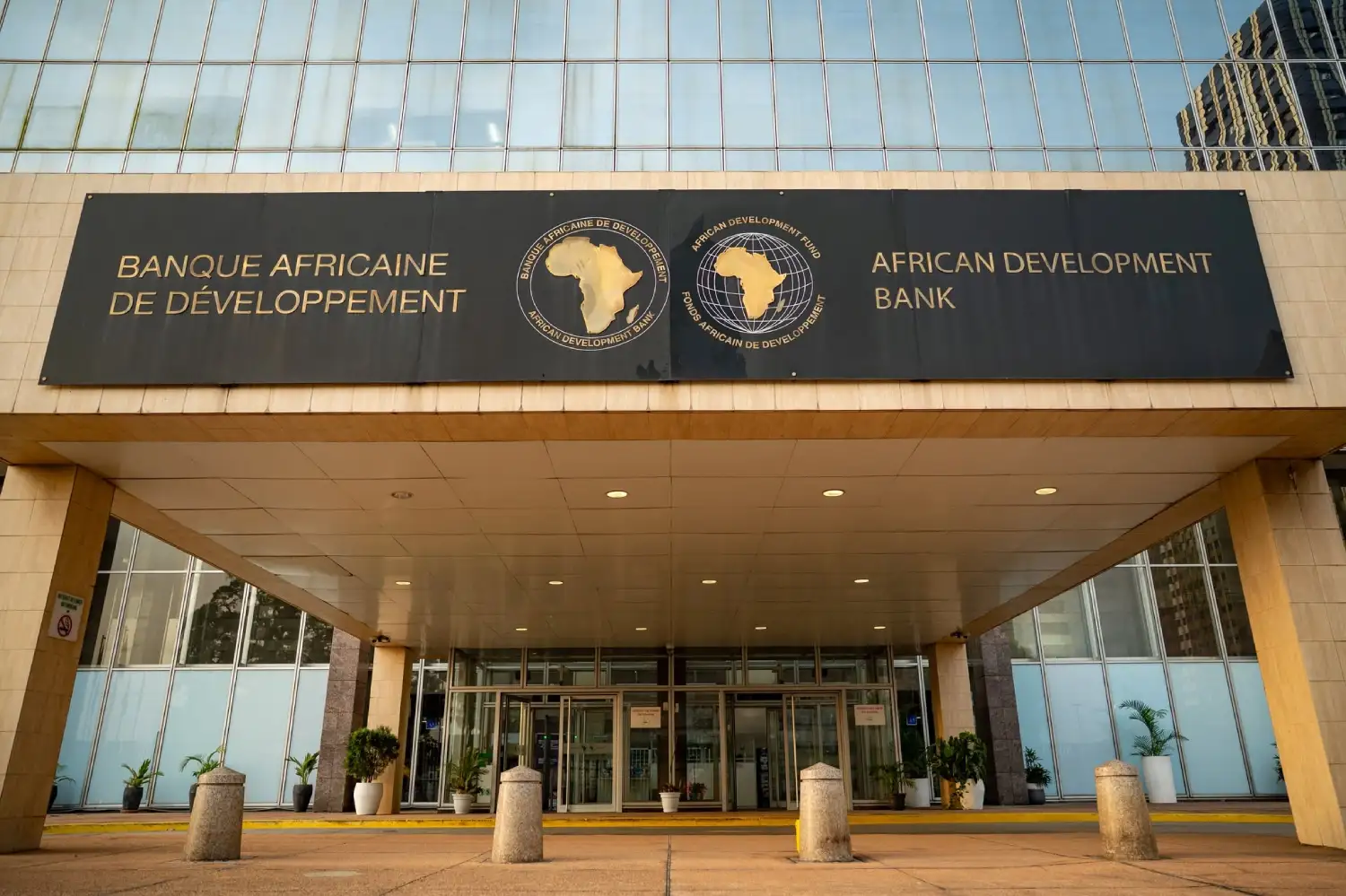
The agreement was signed at Hyundai’s headquarters by Jaehoon Chang, the group’s vice president, and Kevin Chika Urama, chief economist and vice president of the AfDB responsible for economic governance and knowledge management. The bank’s delegation was in South Korea for the 8th Korea-Africa Economic Cooperation Ministerial Conference.
The two partners identified six areas for medium- and long-term cooperation. These include the transition to clean energy, particularly green hydrogen, sustainable mobility solutions, transport and logistics infrastructure, the development of an electric vehicle value chain, strengthening industrial and manufacturing capacities, and talent training.
In terms of infrastructure, Hyundai and the AfDB aim to explore road, rail, and port projects. For electric mobility, the agreement includes plans to investigate value chains based on critical African minerals, to better connect the continent’s resources with transformation, assembly, and production activities.
At this stage, the partnership does not include a total announced financial envelope or a definitive list of projects. Both institutions express their intention to identify concrete investment initiatives and establish implementation frameworks by sector, combining development financing with private capital.
Hyundai emphasizes a mixed financing mechanism that links public or economic policy funding with private capital, featuring mechanisms designed to mitigate investment risks. The automaker believes that such a structure could facilitate projects in mobility, energy, and infrastructure.
On its part, the AfDB contributes its development financing instruments, capital mobilization, and project preparation. Kevin Chika Urama described Hyundai as a strategic partner whose technological capabilities can support the continent’s industrial competitiveness and economic transformation.
Following the signing, the AfDB delegation visited Hyundai’s facilities in Yangjae, where the group showcased mobility and robotics technologies, including the Security X Spot and DAL-e robots.

Comments
Comments load when you reach this section.